A SpaceX Upper Stage Hit the Moon at 5,400 MPH and Left a 100-Foot Crater
A Telescope in Chile Watched the Sodium Plume.
The 8,800-pound Falcon 9 second stage that launched two lunar landers in January 2025 finally came down Wednesday, near the far-side craters Einstein and Bell.
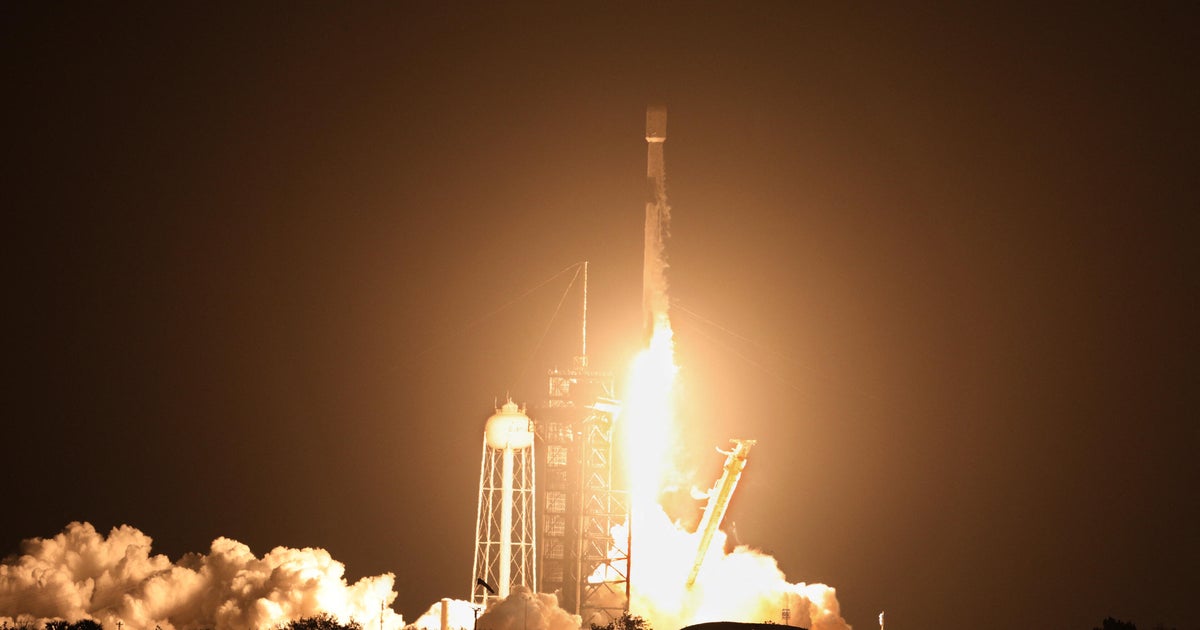
A spent SpaceX Falcon 9 second stage slammed into the moon early Wednesday at roughly 5,400 miles per hour, gouging out a crater estimated at 100 feet wide and 16 feet deep near the lunar craters Einstein and Bell.
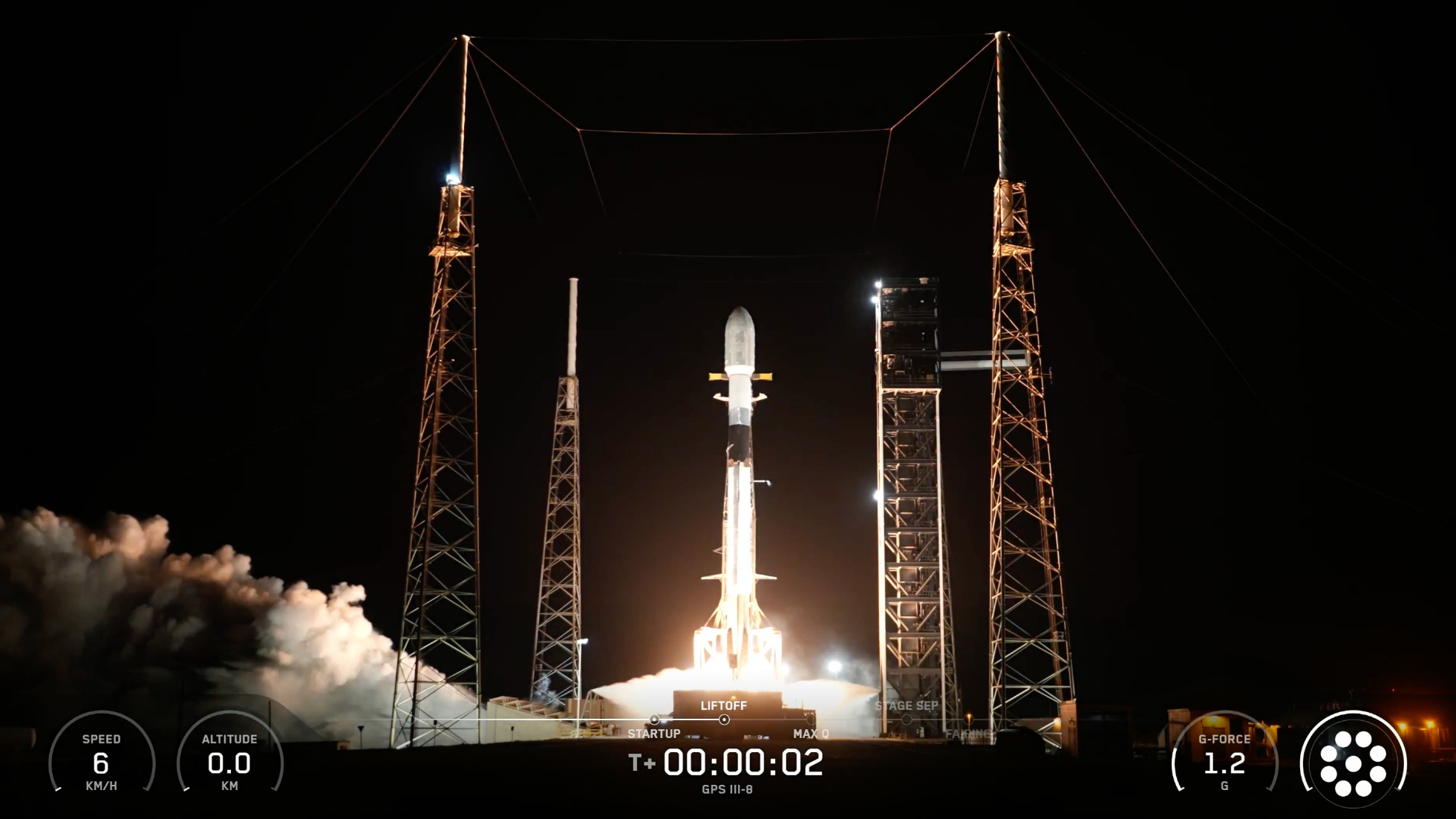
The stage had been in space for a year and a half. It launched in January 2025 carrying two commercial lunar landers, and once its job was done it was left in an unstable orbit — the fate of a great deal of upper-stage hardware, which is neither tracked as carefully as satellites nor deliberately disposed of. The object measured about 45 feet long and 12 feet wide and weighed roughly 8,800 pounds. NASA's Center for Near Earth Object Studies had calculated the trajectory in advance and put the odds at "a 100% chance of impacting the Moon."
Because the impact was predicted, astronomers were watching. The collision released energy equivalent to nearly three tons of TNT, and the strike vaporized lunar surface material into a thin, briefly glowing cloud. "A plume of sodium and lithium gas was observed by the Very Large Telescope in Chile using spectroscopy," said Carl Schmidt, a planetary scientist at Boston University. A separate observer detected the sodium emission from Sudbury, Massachusetts — a signal faint enough that catching it from a backyard-scale setup is itself notable, and bright enough only because sodium atoms scatter sunlight with unusual efficiency.
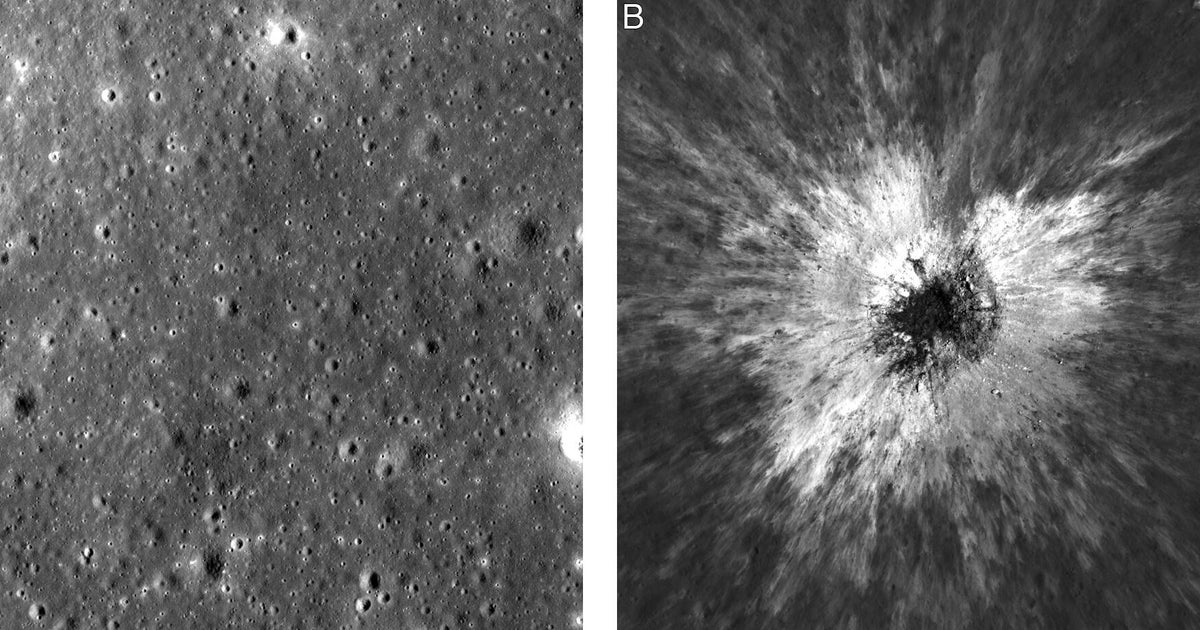
The scientific value comes from knowing exactly what hit, how heavy it was, and how fast it was going. Natural impacts on the moon happen constantly, but their impactors are unknown quantities; researchers infer mass and speed backward from the flash. Here the projectile's mass and velocity were known to within a few percent before it arrived, which turns the event into a calibration point for interpreting every natural impact flash observed from Earth. NASA's Lunar Reconnaissance Orbiter will photograph the site to produce before-and-after images and pin down the crater's true dimensions, though those results may take one to two weeks.
For all the attention, the energy involved was ordinary by lunar standards. NASA notes that a meteoroid carrying the same energy as this upper stage strikes the moon roughly every six days. What made Wednesday unusual is that the rock came from Florida.
The impact also sharpens a policy question that has been building for years. There is no binding international requirement to dispose of spent upper stages in a controlled way, and no registry that tracks them all once they drift beyond Earth orbit. As commercial lunar traffic increases, hardware left in unstable orbits will keep arriving at the surface unannounced — occasionally near the sites where landers, instruments and, eventually, crews are meant to operate.