SpaceX Completes America's GPS Constellation with Launch of Final GPS III Satellite, Decades in the Making
The Falcon 9 mission delivered the tenth and last GPS III satellite, completing a modernization that triples positioning accuracy and dramatically improves jamming resistance.
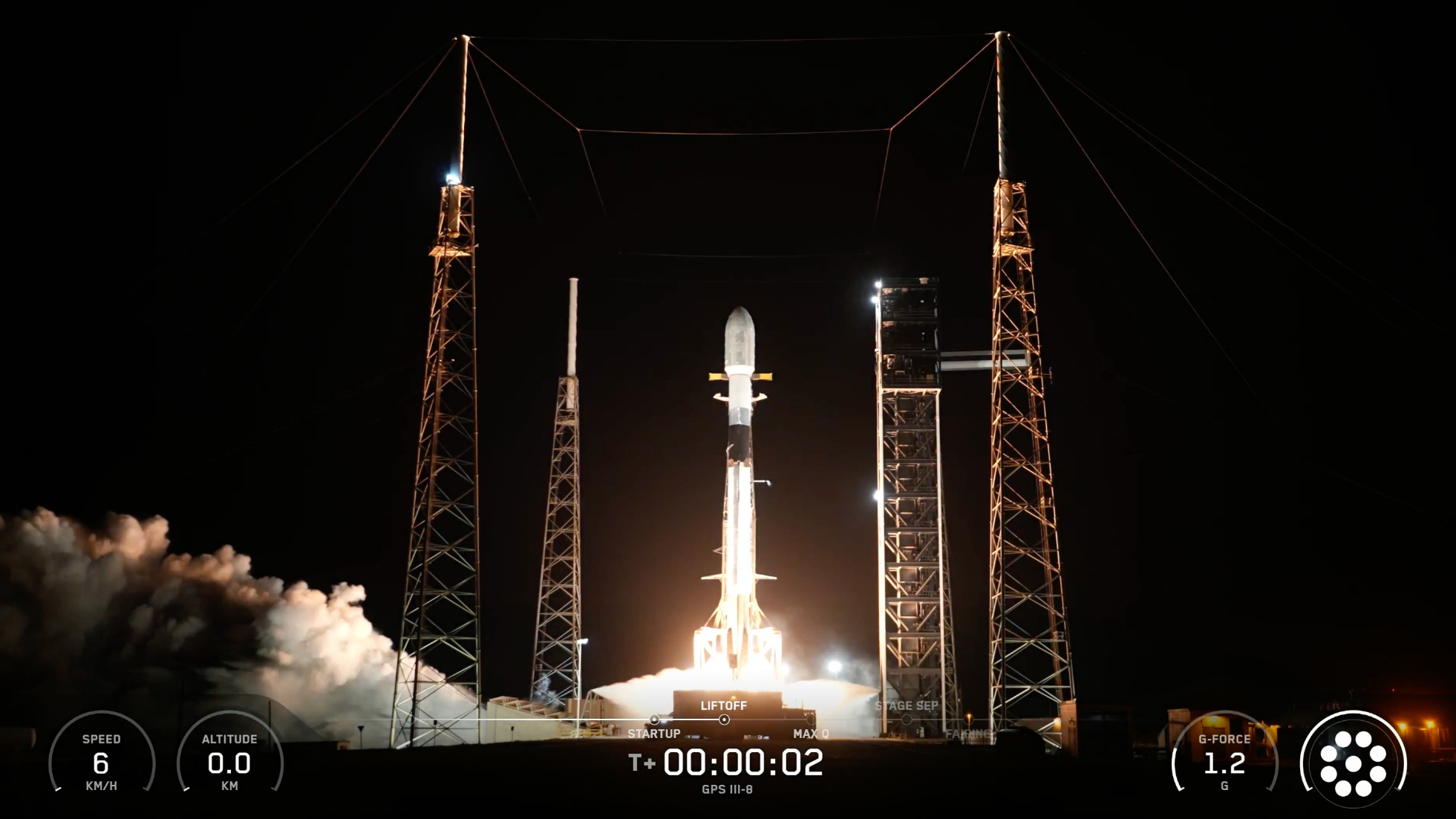
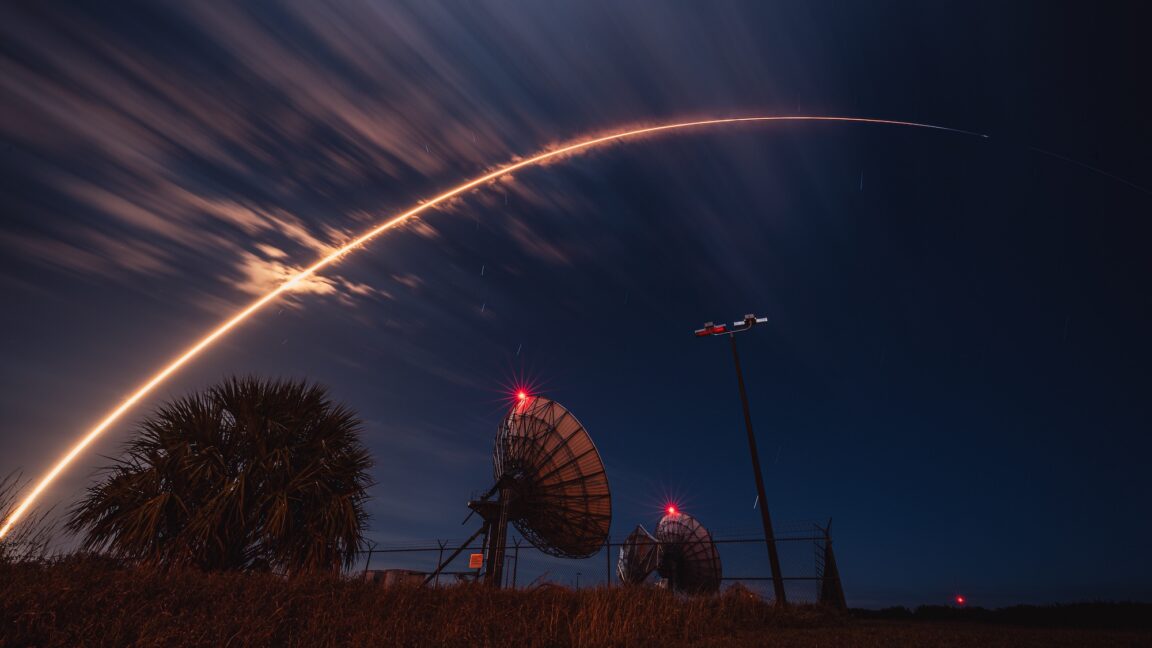
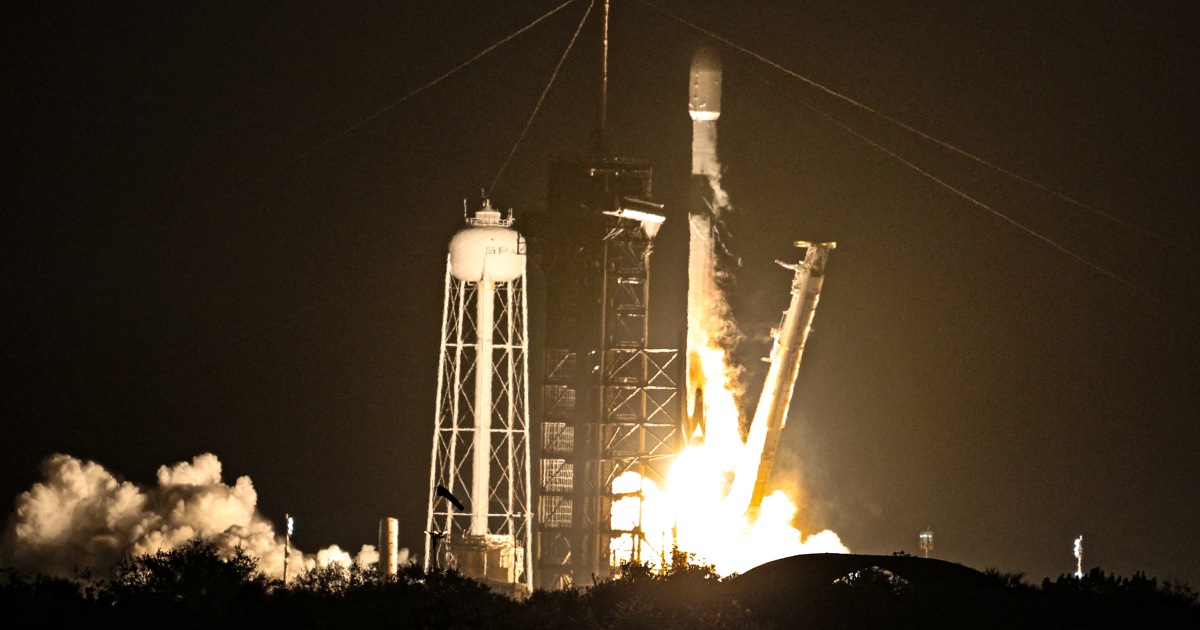
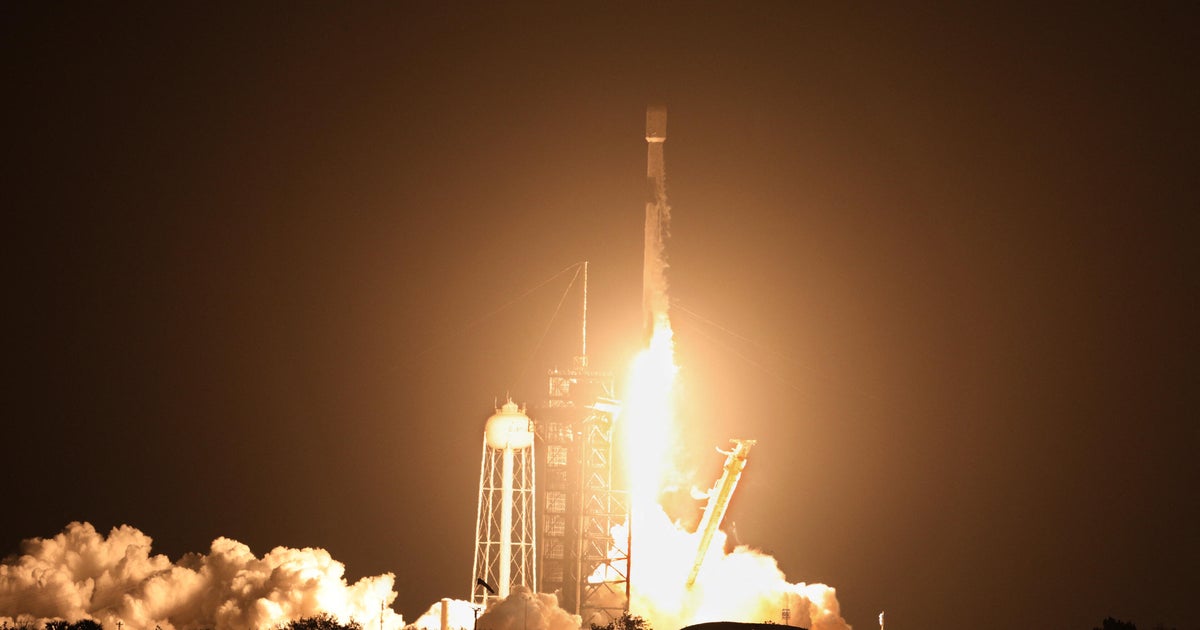
SpaceX successfully launched the final satellite in the U.S. Space Force's GPS III Block constellation from Cape Canaveral Space Force Station on Monday, completing a decade-long modernization program that began when the Air Force contracted with Lockheed Martin in 2008 to replace the aging GPS IIR and IIF satellites that had anchored the Global Positioning System since the 1990s. The GPS III Space Vehicle 10 lifted off aboard a Falcon 9 rocket at 5:42 a.m. EDT and reached its target medium Earth orbit approximately three hours later, with the Space Force's 45th Space Wing confirming successful deployment and initial signal acquisition within four hours of launch.
The GPS III satellites represent a significant capability upgrade over their predecessors, offering three times the accuracy of GPS IIF satellites under optimal conditions and eight times the resistance to jamming and spoofing through a new military signal known as M-code. The satellites also include a Search and Rescue payload that allows them to detect distress signals from EPIRB and PLB beacons and transmit acknowledgment signals back to the distress sender — a capability previous GPS satellites lacked. The constellation improvement in accuracy is relevant both for military precision targeting and for the civilian navigation applications that GPS has come to underpin in transportation, agriculture, financial timing systems, and emergency response.
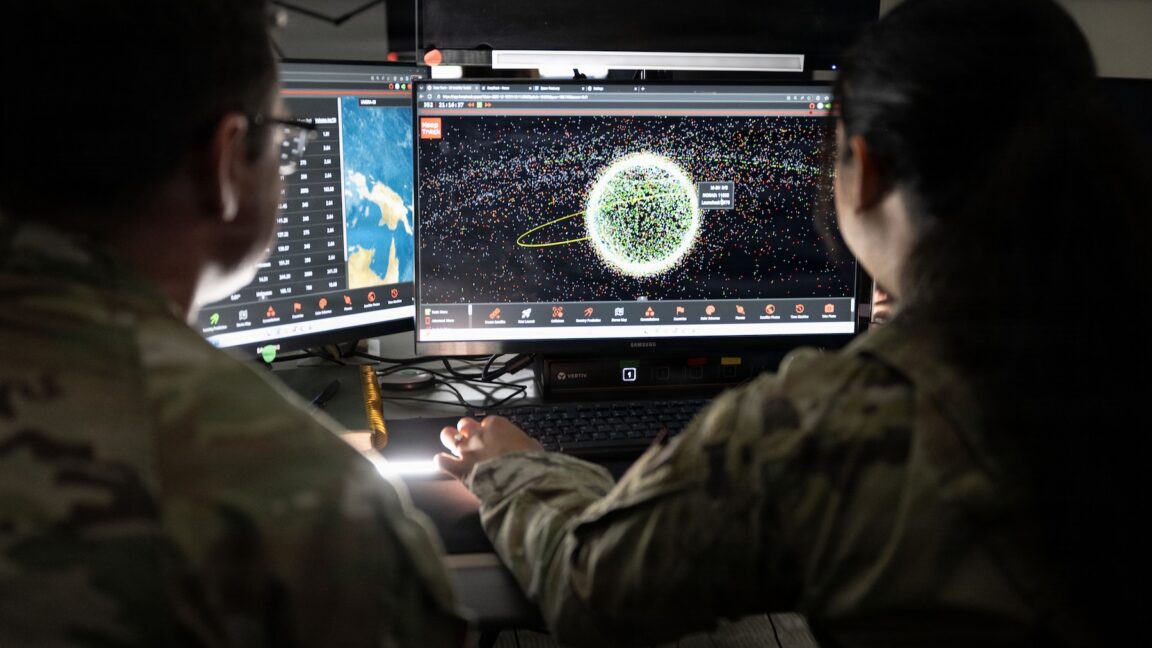
With all 10 GPS III Block satellites now on orbit and operational, the Space Force said it would begin transitioning more of the GPS signal load onto the new constellation and begin decommissioning the oldest GPS IIR satellites, some of which have been operational since 1997 and have significantly exceeded their designed service lives. The GPS III Follow-On program, which will add up to 22 additional satellites with further capabilities including enhanced anti-jam performance and the ability to broadcast the new L1C civil signal compatible with international navigation systems, is currently under development with contract awards pending.
The launch marked another milestone for SpaceX's Falcon 9, which has now completed more than 350 launches without mission failure and has become the workhorse of American national security space launches. The Falcon 9 first stage used in Monday's launch landed successfully on the drone ship A Shortfall of Gravitas in the Atlantic Ocean approximately eight minutes after liftoff, its seventh flight. Space Force officials said the launch contract, awarded competitively to SpaceX, cost approximately $96 million including launch vehicle and mission support services, well below what earlier GPS launches had cost under United Launch Alliance's Atlas V rocket.
Space Force Space Systems Command officials said the completed GPS III Block constellation marked the first time in GPS history that the program had completed a major constellation block on schedule and within budget projections. The program's original 2018 launch target slipped by two years due to software integration challenges with the new M-code signal, but subsequent launches had proceeded on or ahead of schedule.