Trump Announces 25% Tariffs on European Cars Amid Trade Deal Tensions
President moves to raise auto import duties despite Supreme Court ruling striking down previous 'reciprocal' tariff system.

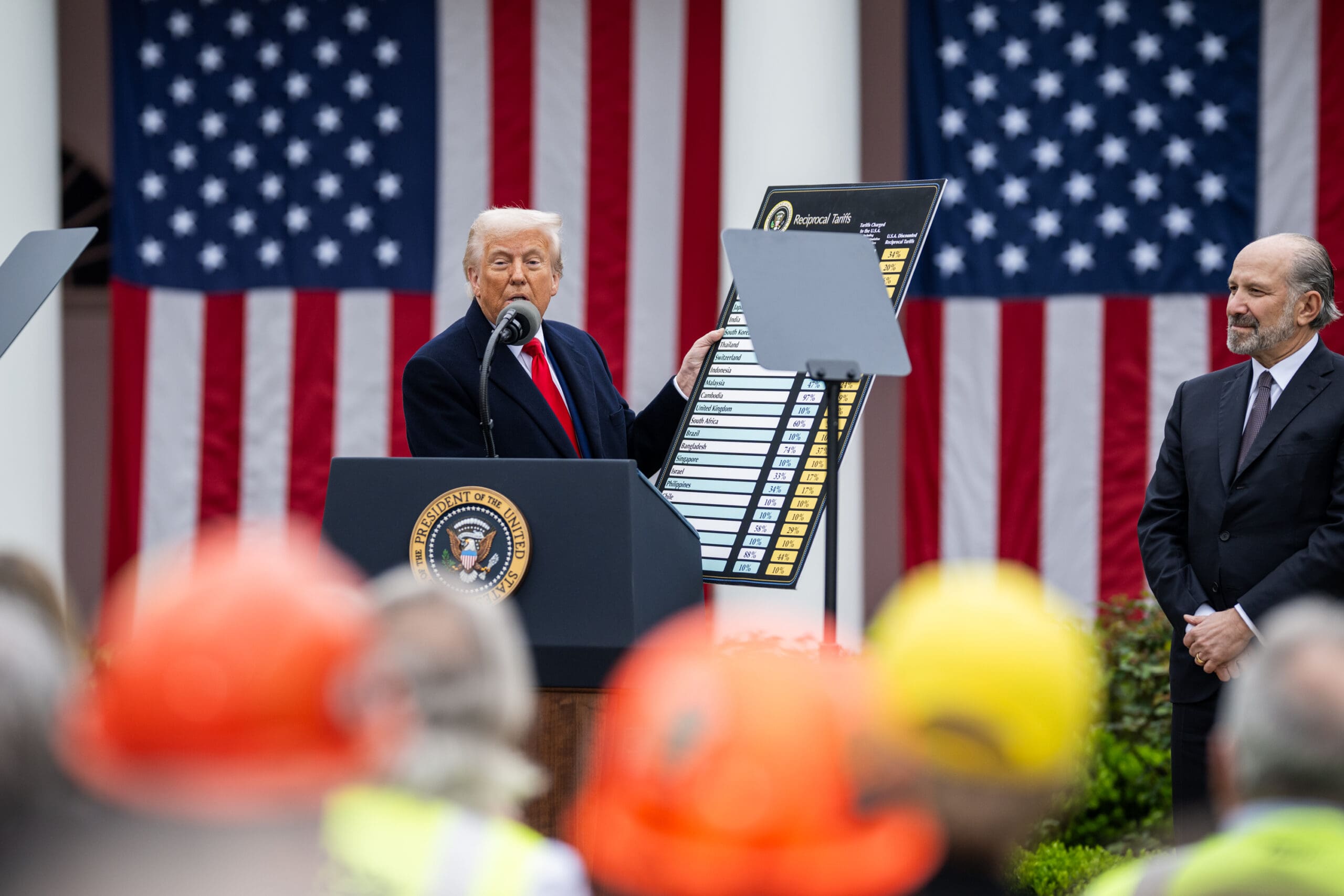
President Trump announced Friday that he will impose 25% tariffs on automobile imports from the European Union, escalating trade tensions with America's transatlantic allies and potentially jeopardizing the broader trade relationship between Washington and Brussels. The decision marks a significant escalation in commercial disputes that have simmered since the Supreme Court struck down Trump's previous "reciprocal" tariff system earlier this year.
The new tariff structure specifically targets European automotive imports, a sector that represents billions of dollars in annual trade between the EU and United States. German, Italian, and other European automakers have established significant market presence in America through both direct imports and domestic manufacturing operations, making them vulnerable to the proposed duty increases. The 25% rate represents a substantial jump from current automotive tariff levels.
European officials had previously warned that the continent's trade agreement with Washington could be in serious jeopardy if the Trump administration continued pursuing unilateral trade actions that violate existing bilateral commitments. The EU has repeatedly emphasized that reciprocal trade arrangements must be negotiated through established diplomatic channels rather than imposed through executive action, setting up a potential legal and diplomatic confrontation.
The Supreme Court's earlier ruling had invalidated Trump's reciprocal tariff framework on constitutional grounds, finding that such trade measures required Congressional approval rather than executive action alone. Legal experts suggest the new automotive tariffs could face similar constitutional challenges, particularly given the Court's previous skepticism about unilateral presidential trade actions that lack specific legislative authorization.
Market analysts expect the tariff announcement to have immediate impacts on automotive stock prices and could prompt retaliatory measures from European trading partners. The automotive industry, which relies heavily on integrated supply chains and cross-border manufacturing arrangements, faces particular vulnerability to trade disputes that disrupt established commercial relationships and increase production costs for both manufacturers and consumers.