After Supreme Court Voided Trump's IEEPA Tariffs, White House Now Imposing 15% Emergency Flat Rate
The court's 6-3 ruling in February struck down the sweeping reciprocal tariff regime; Trump is now relying on a 150-day emergency authority that legal experts say faces its own challenge — while average American households absorb an estimated ,512 in annual tariff costs.

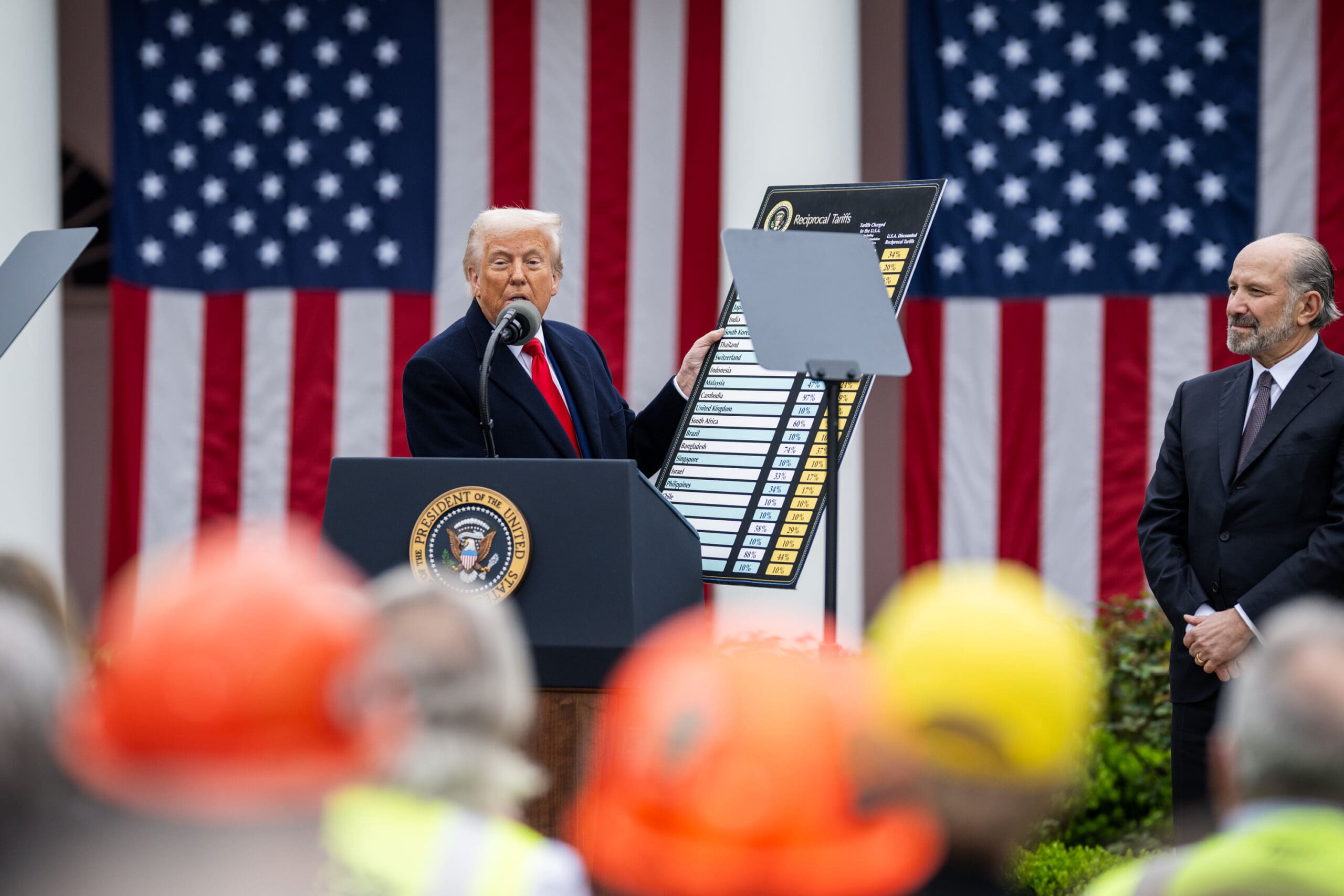
The Trump administration's tariff strategy has undergone a dramatic legal and political reinvention since the Supreme Court struck down its primary trade enforcement mechanism in February, forcing the White House to rely on a rarely used emergency authority that carries its own legal and economic risks. The shift has left American businesses and trading partners in a state of prolonged uncertainty, with analysts warning that the full cost to American households could reach $2,512 per year on average in 2026.
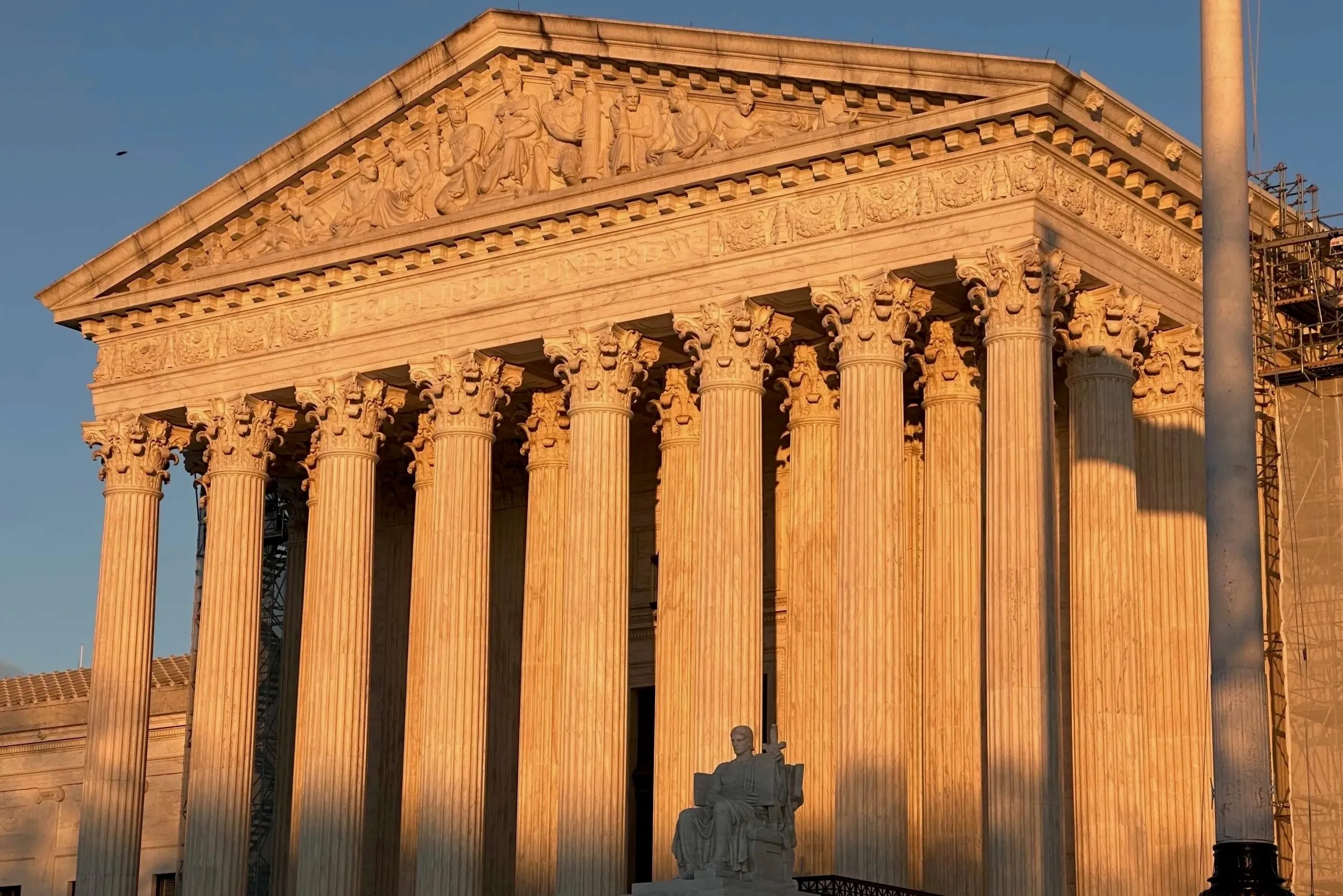
In a 6-to-3 ruling in Learning Resources, Inc. v. Trump issued on February 20, the Supreme Court found that the administration's use of the International Emergency Economic Powers Act — IEEPA — to impose sweeping tariffs exceeded presidential authority. The ruling voided the administration's reciprocal tariff regime, the baseline universal tariffs, and the fentanyl-related duties that had formed the backbone of Trump's trade strategy. The decision was written by Justice Amy Coney Barrett and joined by the court's three liberal members alongside Justices Roberts and Kavanaugh, with Justices Thomas, Alito, and Gorsuch dissenting.
Within days, President Trump signed a proclamation invoking Section 122 of the Trade Act of 1974 — a provision specifically designed for short-term balance-of-payments emergencies — to reimpose a flat 10 percent tariff on all imports. He subsequently announced the rate would rise to 15 percent. Section 122 allows the president to impose emergency tariffs for up to 150 days without congressional approval, giving the administration a temporary runway while it pursues a longer-term legislative fix or alternative legal authority. However, economists and trade lawyers note that Section 122 has never before been used at this scale, and a fresh legal challenge is already winding through the federal courts.
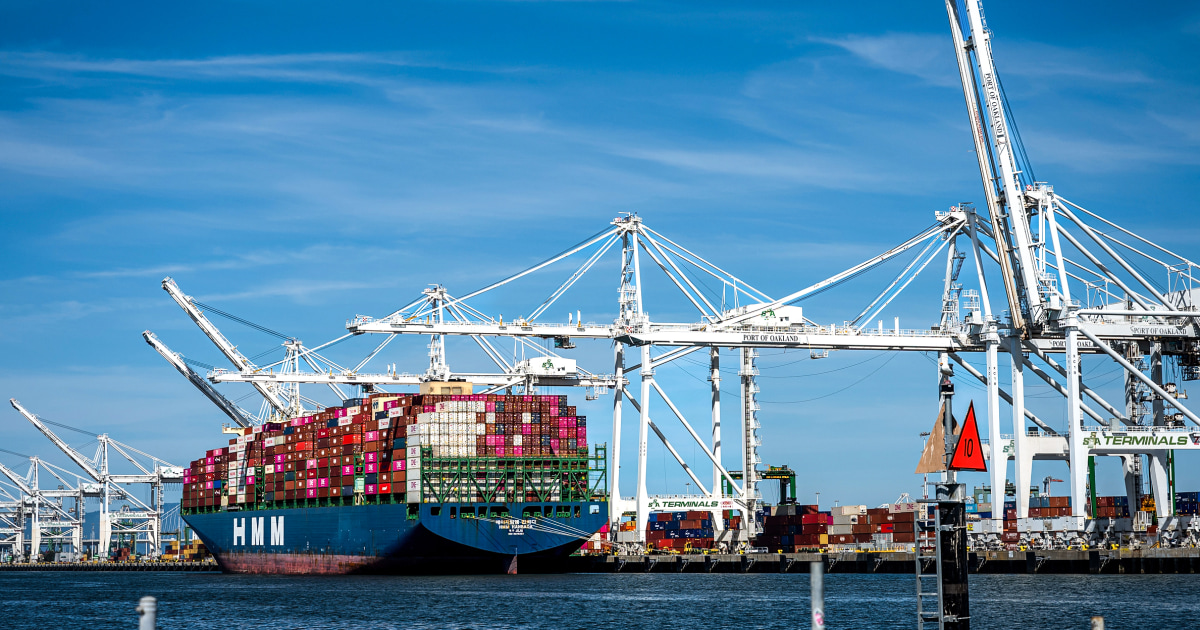
The economic data paint a complicated picture. Analyses from the Budget Lab at Yale project that the current tariff regime, if Section 122 duties expire without replacement, will push unemployment up by 0.3 percentage points by year's end. Imported consumer goods prices have already risen 1.3 percent above prior-year levels. A Foreign Policy analysis published this month argued that the tariff program has failed on its central promise: the United States trade deficit has actually widened since the tariffs were first imposed, as American manufacturers unable to source affordable domestic materials have fallen behind. The administration disputes that framing, pointing to a handful of announced factory openings as evidence that reshoring is underway.
Congress has shown little appetite for passing new trade legislation that would put tariff authority on firmer footing. Senate Republicans are divided between free-trade traditionalists and economic nationalists aligned with Trump, and Democrats see little incentive to hand the White House a legislative win on trade while DHS funding remains unresolved. For now, the 15 percent flat tariff stands — temporary, legally contested, and generating an estimated $100 billion annually in federal revenue even as it inflates costs for American consumers and strains relationships with allies from Europe to Japan.