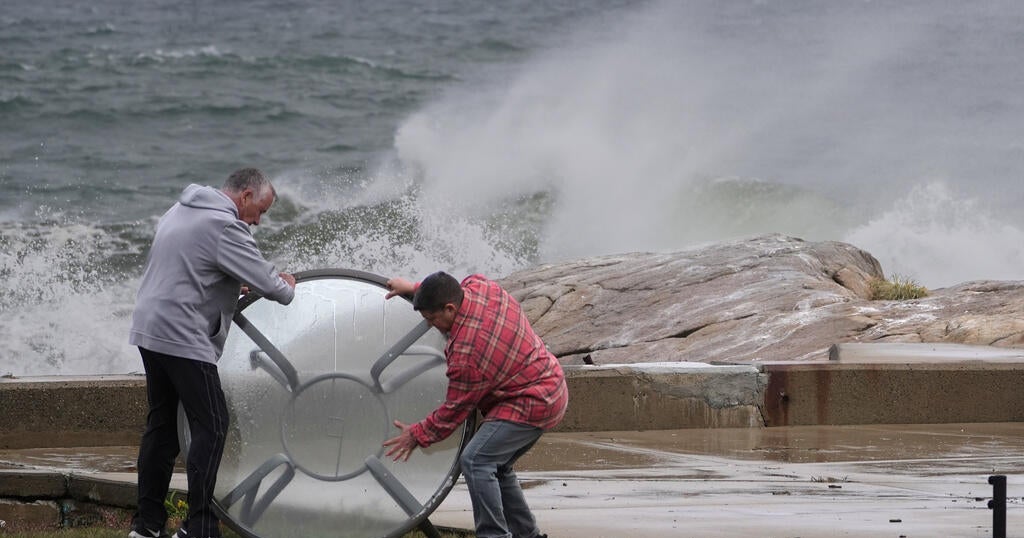
Storms Threaten Both Coasts Just as Thanksgiving Travel Begins
San Francisco's mayor urged residents to avoid nonessential travel as an atmospheric river and king tides approach, while a storm that began in Florida moves up the East Coast.
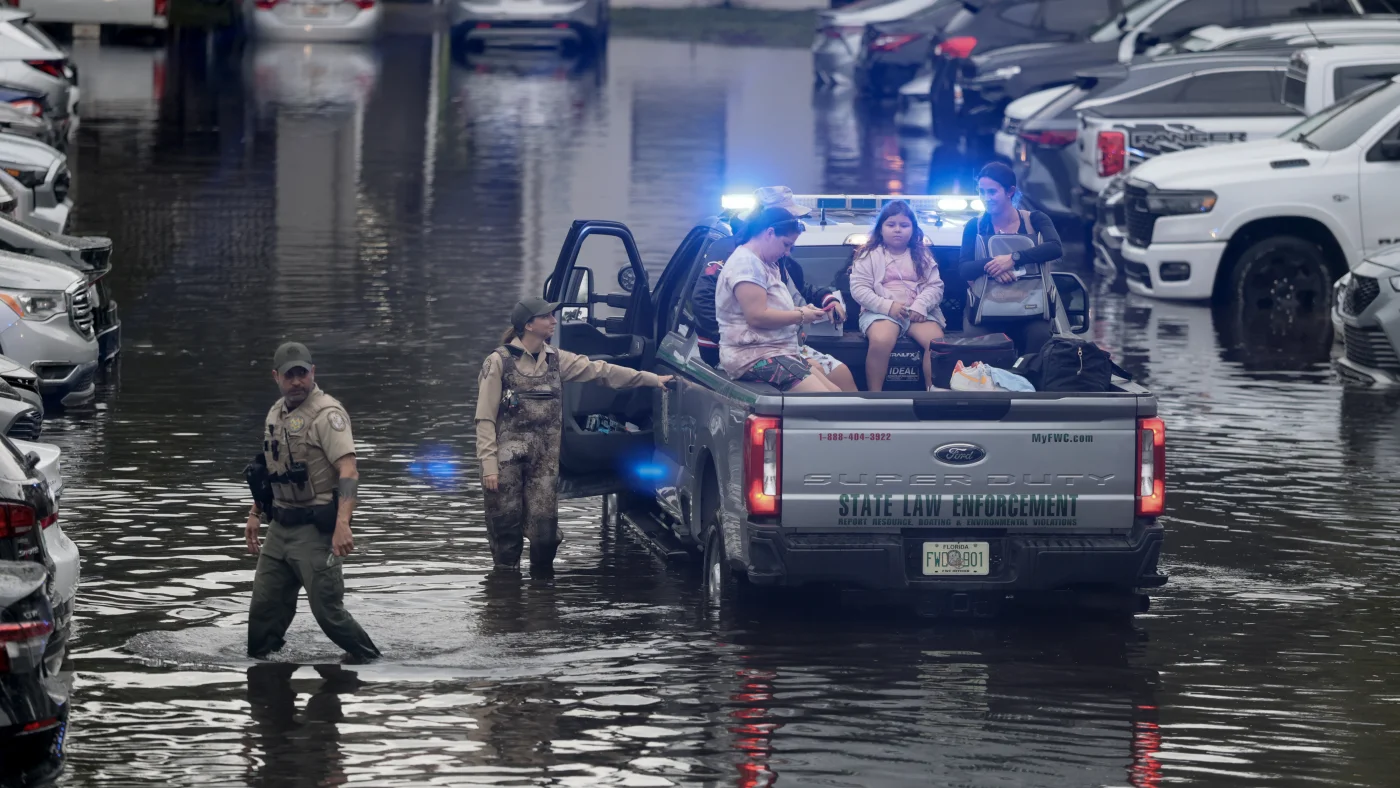
Storms are lining up on both U.S. coasts just as millions of Americans head into the Thanksgiving holiday week, raising the odds of flooding, road trouble and flight delays during one of the busiest travel stretches of the year.
San Francisco Mayor Daniel Lurie issued a blunt warning on X on Friday. "I know there's a lot of travel for many of you as you head into the Thanksgiving holiday, but I'm going to ask you all to consider not traveling unless it is absolutely essential," he wrote. He said the city is preparing this weekend for extreme high tides and rain that could arrive Monday afternoon and last through Wednesday. Lurie spoke after a call with the National Weather Service and the National Oceanic and Atmospheric Administration, and told residents to get ready over the weekend.
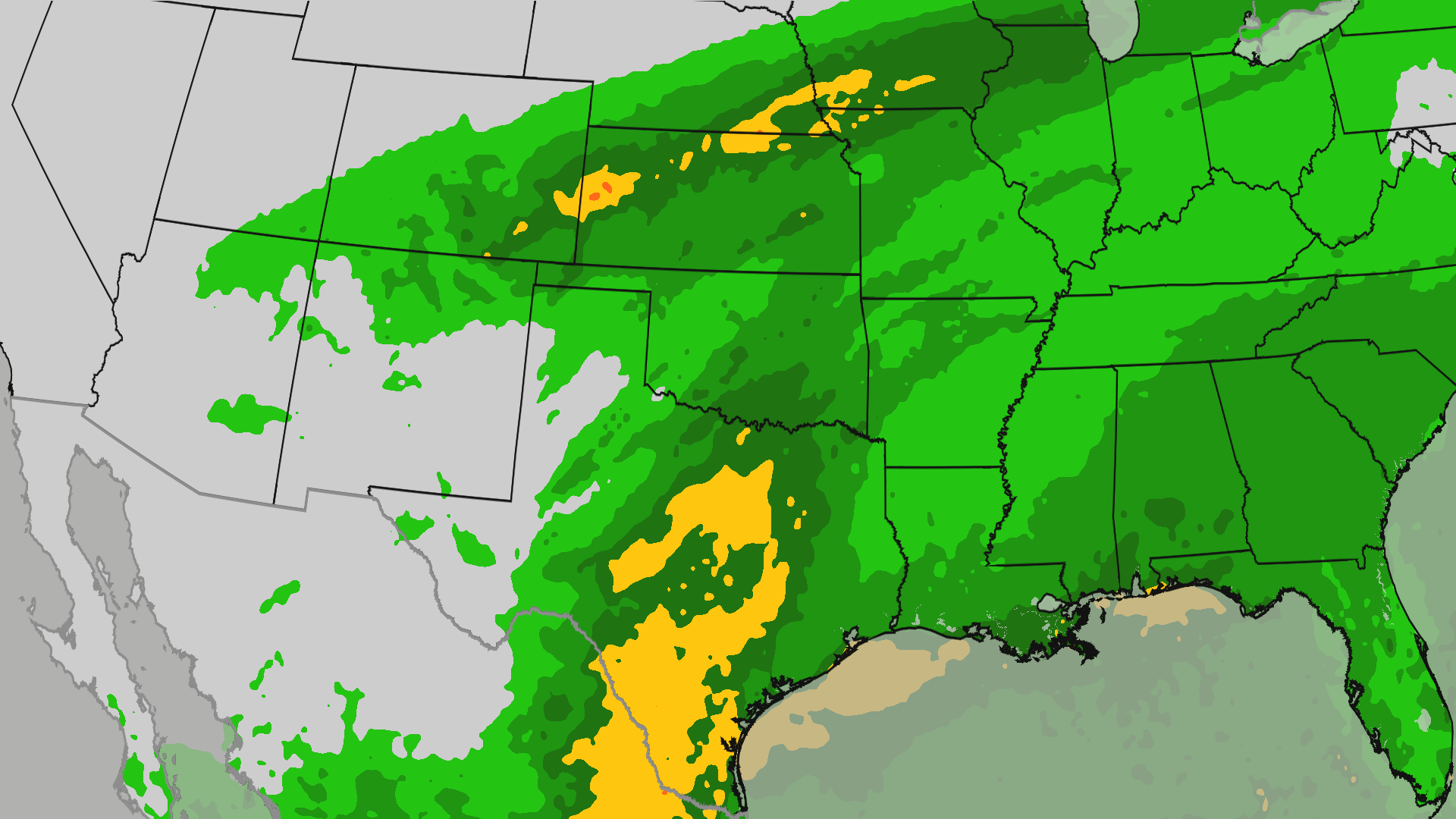
The West Coast is forecast to see an atmospheric river on Monday, with another expected in the Pacific Northwest later in the week, according to the Center for Western Weather and Water Extremes. An atmospheric river is a narrow band of water vapor pushed along by the wind. These systems can stall over one area and drop months' worth of rain in just a few days. The center expects two to four inches of precipitation over northern California and southern Oregon through Wednesday. Rain and snow at higher elevations is possible over parts of the Northwest and northern California on Saturday, and coastal flood advisories are in effect in the Bay Area through Monday morning. That comes on top of historic high tides known as king tides.
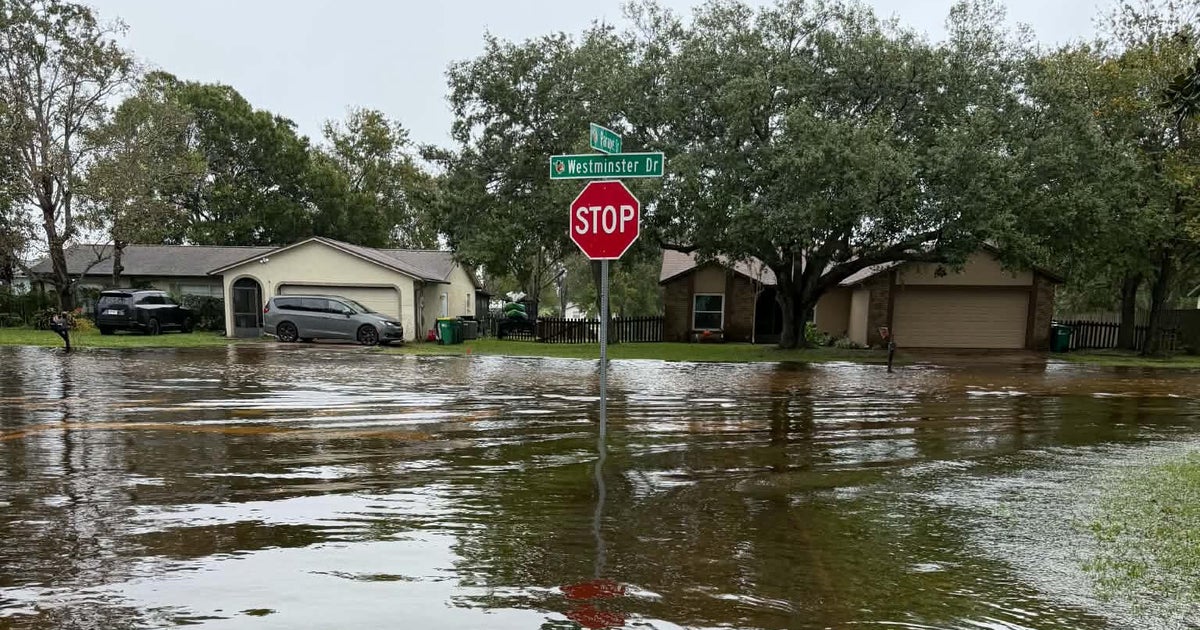
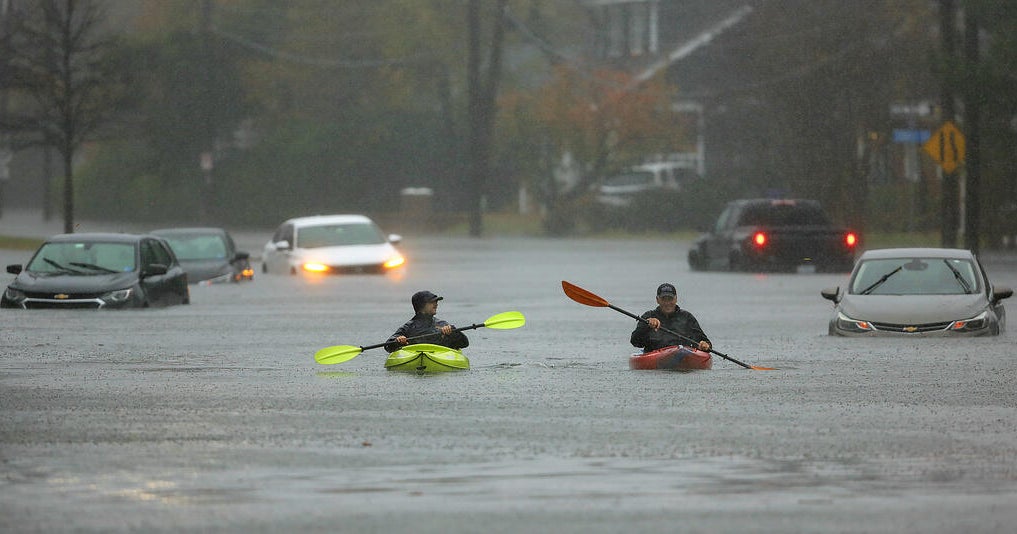
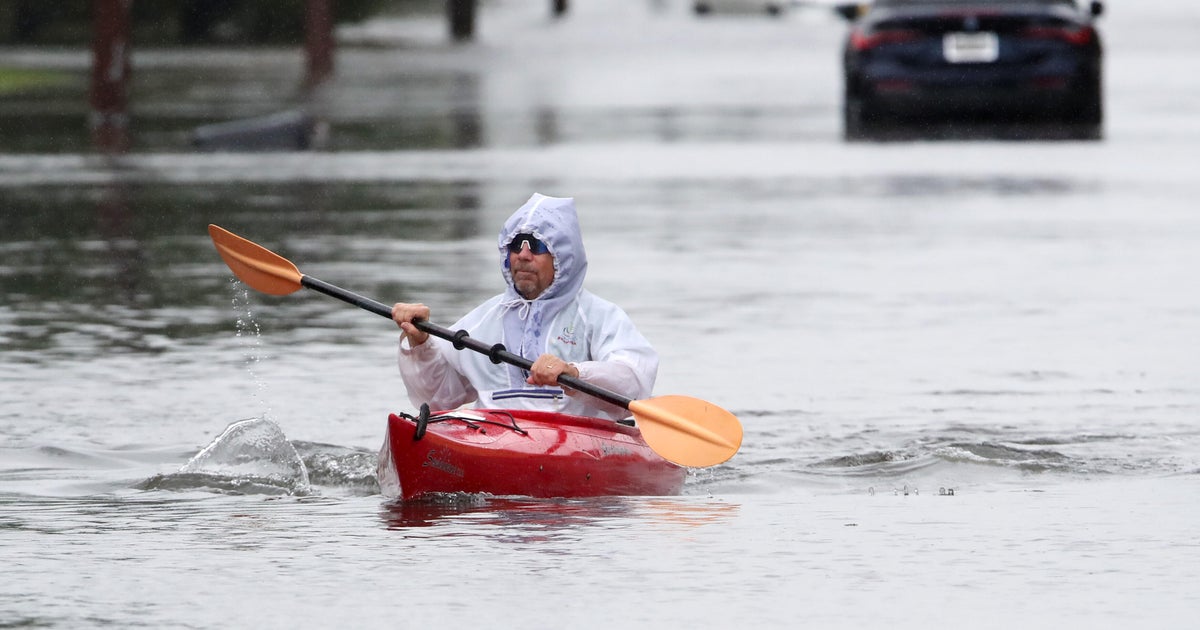
The week's weather has already been rough. Cities in California saw mudslides, waterspouts and flooding over the past week, while Florida had coastal flooding and inundated streets. It has been a wet fall across large parts of the country, driven in part by a Super El Niño, the natural climate pattern that shifts weather around the world. Devastating flooding in the Southwest left multiple people dead and hundreds stranded, and California and the Pacific Northwest have seen high sea levels and several strong atmospheric rivers.
On the East Coast, a storm that started in Florida on Friday is expected to move north into the Mid-Atlantic and reach the Northeast by Sunday evening, the National Weather Service said. Some of the heaviest rain could fall along the Carolinas coast through Sunday morning before moving up the seaboard. Dan Hoffman, a meteorologist at the National Weather Service office in Baltimore, said that even without flooding or strong winds in the forecast, it "doesn't usually take too much to cause things to start to have delays" in a busy travel week.
Trouble may not end when the holiday does. Andrew Loconto, a meteorologist at the National Weather Service in Norton, Massachusetts, said this weekend's storm is not forecast to be as big as another one expected to hit New England after Thanksgiving. "That could be more impacts for people coming back home," he said, pointing to Black Friday as another heavy day for travel and shopping.
The warnings come as AAA projected a record-scale holiday rush, with tens of millions of people expected to travel by road and air. Travelers heading through the Bay Area, the Pacific Northwest or the Carolinas and Mid-Atlantic corridor should check forecasts and flight status before leaving, and allow extra time on the roads.