Senate Rejects Iran War Powers Measure 48-51 as Three Republicans Break Ranks
The first war vote since Republicans' midterm losses fell short again, with Fetterman the lone Democrat opposed and Tillis voting no this time.
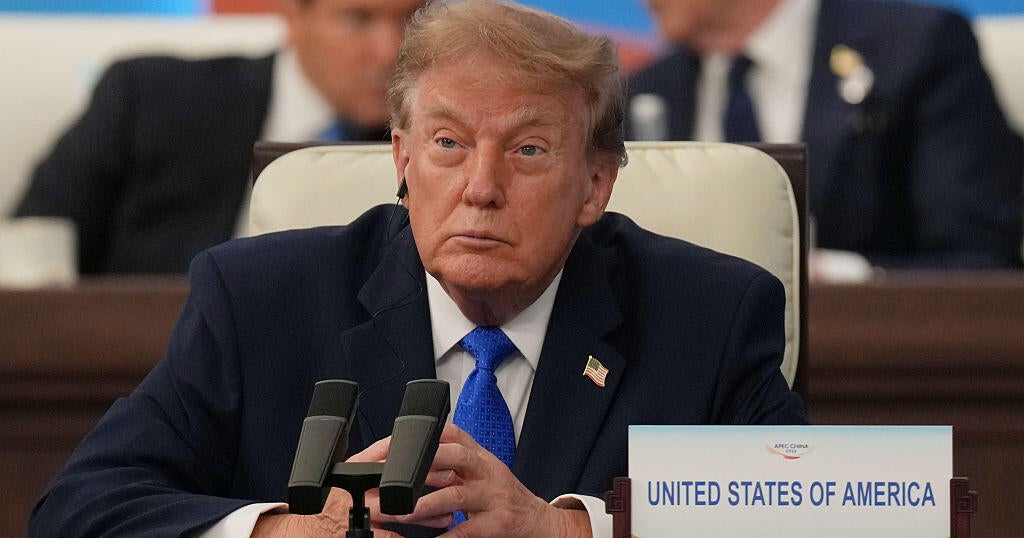
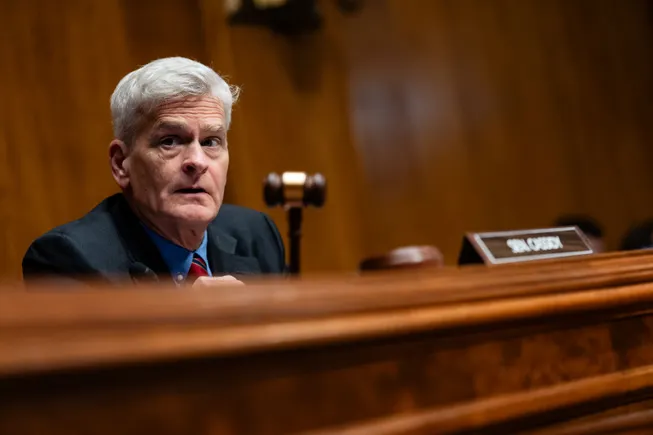
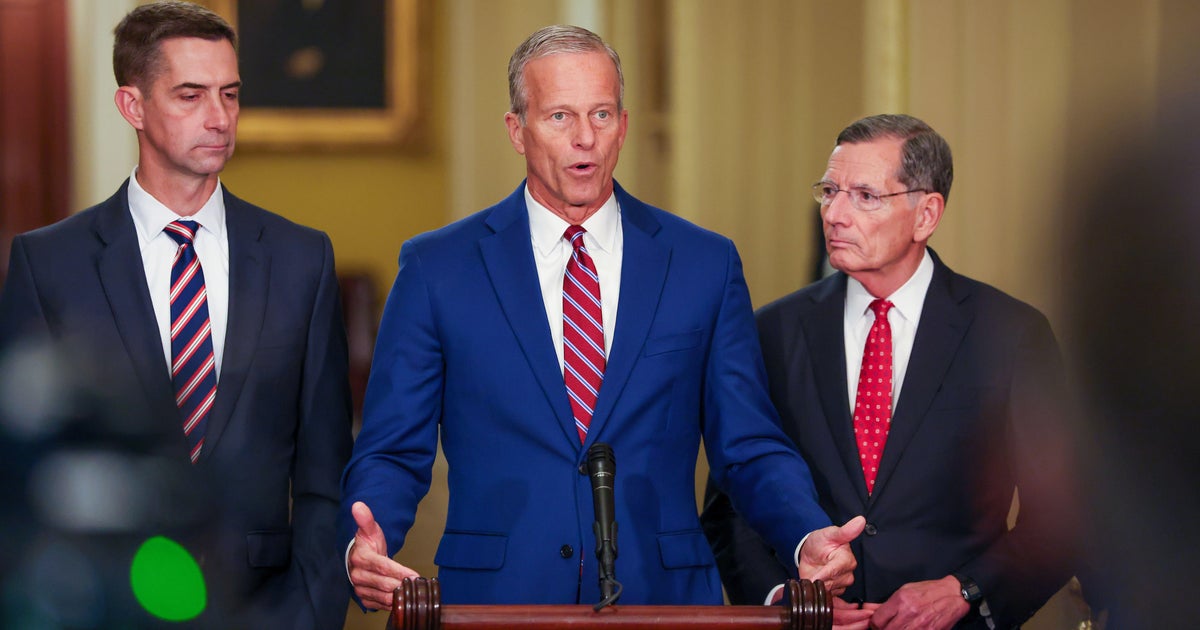
The Senate on Thursday rejected a House-adopted resolution aimed at reining in President Trump's ability to strike Iran, as the measure lost Republican support despite GOP frustration with the war after the party's losses in the midterm elections. The vote was 48 to 51. Three Republicans, Sens. Susan Collins of Maine, Lisa Murkowski of Alaska and Rand Paul of Kentucky, joined all but one Senate Democrat in backing it. Sen. John Fetterman of Pennsylvania was the lone Democrat to vote no.
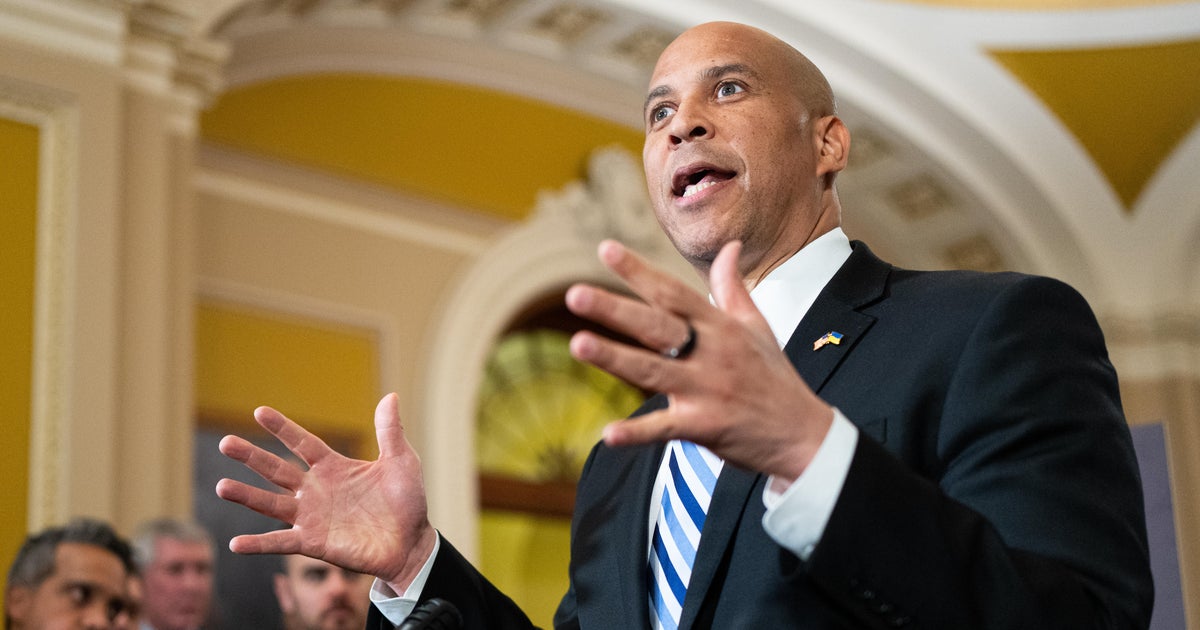
It was the first time either chamber had weighed in on the war since the Nov. 3 elections, which dealt Republicans sweeping losses. Voters named the war in Iran, and its toll on the economy, among their top concerns. Sen. Tim Kaine of Virginia, who has led Democrats' repeated efforts to restrict the president, urged Republican colleagues to support the measure. "Its unpopularity was made absolutely manifestly clear in the election results from Nov. 3," Kaine said on the Senate floor, calling the outcome "a historic repudiation of the party holding onto the White House."
The resolution would have directed the president "to remove United States Armed Forces from hostilities with Iran," but its effect would have been largely symbolic. Under the War Powers Resolution of 1973, a president must withdraw forces if Congress so directs by concurrent resolution, but administrations of both parties have argued that the process is unconstitutional. A concurrent resolution does not go to the president for a signature. The White House challenged the validity of a similar measure adopted over the summer.
One Republican who backed an earlier effort, Thom Tillis of North Carolina, voted against this one. "This one doesn't go to the president, so it's just a statement from Congress. I've made that statement," Tillis told CBS News. He said he is pursuing other routes, including the funding process, to replenish military supplies and "hold Hegseth accountable," adding that he thinks the defense secretary is "a failure."
The war began in late February, and Democrats have since forced more than a dozen war powers votes in the Senate. Most have failed. The Senate adopted a resolution in June when four Republicans joined the bulk of Democrats. President Trump lashed out at those GOP senators at a tense lunch with Senate Republicans the next day, and a separate effort fell short after key senators changed their votes. Another effort advanced in May with help from four Republicans and a handful of GOP absences, but it stalled after Republicans met with the president.
Before the midterms, the Senate voted on another House-adopted concurrent resolution, which narrowly fell short even as more Republicans voiced opposition to the war. Thursday's 48-51 tally shows the post-election shift has not yet moved enough votes to change the result, though the election outcome has made the issue harder for GOP senators to avoid.