Sanders Says He Won't Back Schumer as Senate Democrats' Leader
Vermont's independent senator becomes the most prominent progressive to oppose Chuck Schumer, calling the midterms a mandate for change as Democrats prepare to hold at least 54 Senate seats.
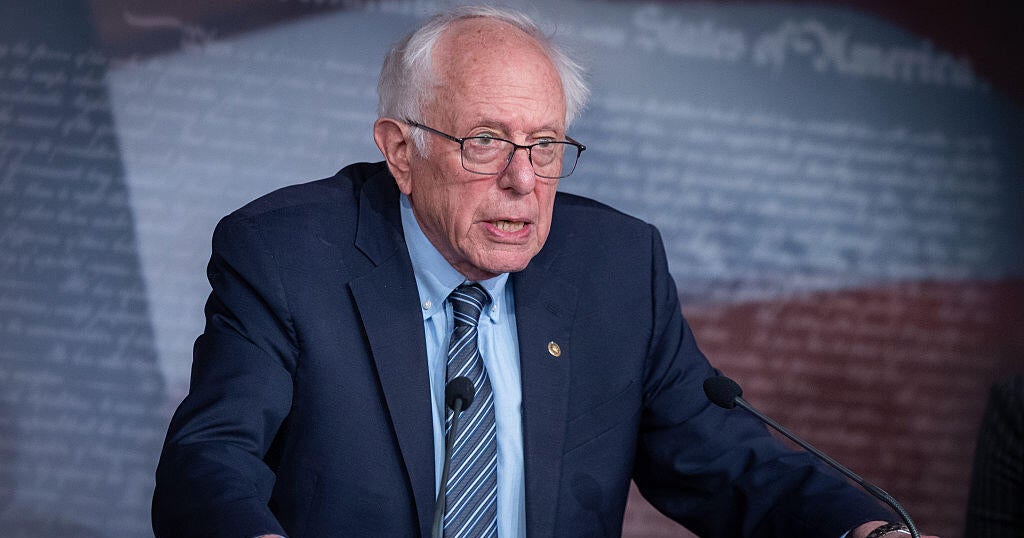
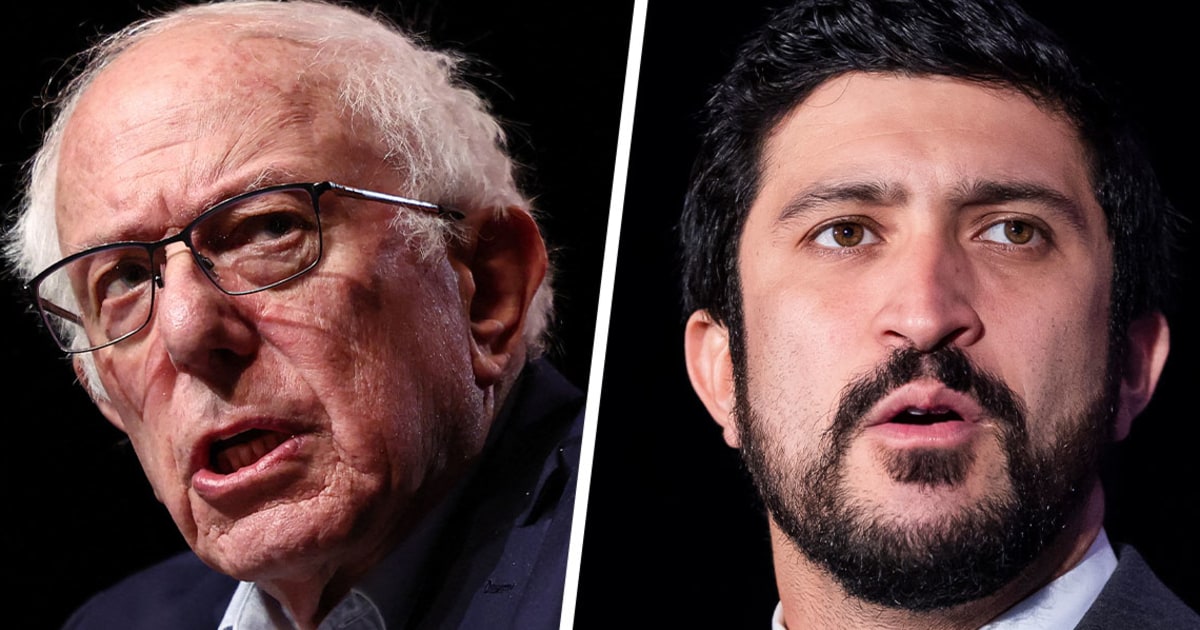
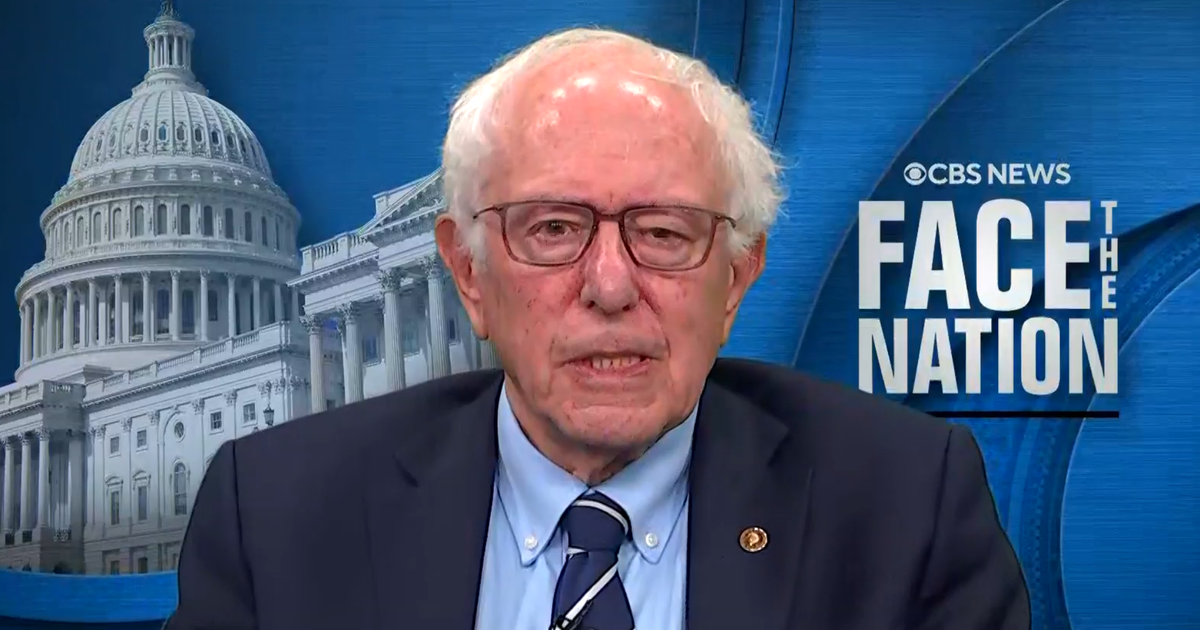
WASHINGTON — Sen. Bernie Sanders of Vermont said Tuesday that he will not support Chuck Schumer of New York for another term as Democratic leader, becoming the most prominent progressive to oppose Schumer's candidacy since last week's midterm elections.
Sanders made the announcement at a press conference at the Capitol, saying the election was "about change." Democrats will control at least 54 seats when the 120th Congress convenes in January, a result that has turned the question of who leads the caucus into the party's first major fight of the new era.
"It was an election across the country, in red states and blue states, where people were looking around them and saying, 'What is going on in America, when I am struggling to put food on the table, pay for healthcare, pay for housing, and I'm worried not only that my life economically is going nowhere, everything being equal, my kid in the richest country in the history of the world is going to have the lowest standard of living than I do?'" Sanders said. "And while all of this is going on, the billionaire class has never ever had it so good."
Sanders was personal but firm about Schumer. "I personally have known Chuck Schumer for over 30 years, and I like Chuck. Nobody who works harder than Chuck Schumer. But in my view, the time is now for change, and I will not be supporting Chuck to be reelected as the Democratic leader." Sanders, an independent who caucuses with the Democrats, called for "a vigorous debate about the direction of the Democratic Party" and said it should happen "in the open to show the American people that a new day has come and that their votes meant a new direction in Washington."
Sanders appeared alongside Michigan Democratic Sen. Elissa Slotkin, a centrist, which gave the announcement a reach beyond the party's left flank. Slotkin said she is "not actively seeking this job" but is "seeking change." She said anyone who wants to run the caucus should explain how they will "govern differently," what they would do in the first 100 days "to put money in people's pockets," and how they would communicate differently. "Whoever wants my vote is going to have to show me a concrete plan that's definitively different," Slotkin said. "I'm a no until and unless I see that from anyone."
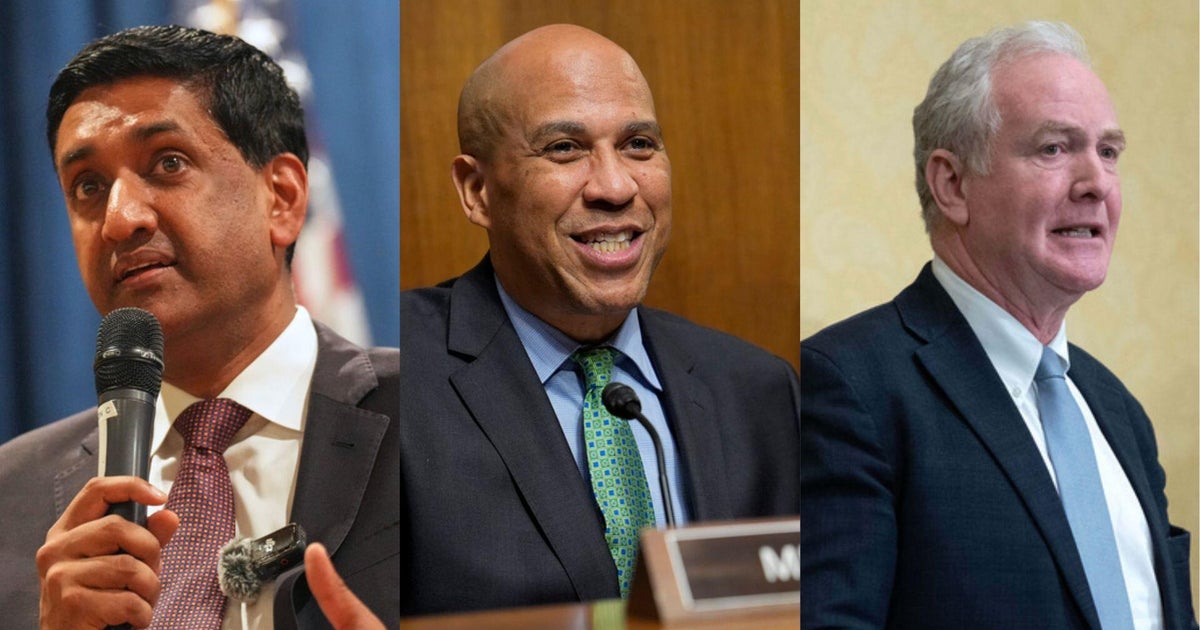
No challenger has formally emerged to take on Schumer, but Sen. Chris Van Hollen of Maryland has come the closest. Van Hollen first said he would not pursue the position. This week he said he is exploring a run. "What I've said from the very beginning is, we shouldn't have a coronation," Van Hollen said Monday. "I'm in listening mode and haven't shut the door." At an event Tuesday he said he is "in the process right now of calling my colleagues," adding that "at the end of the day, this is a vote in the Democratic caucus."
Democrats are expected to hold their leadership elections in early December. Public statements from senators like Sanders and Slotkin are an early signal of where support is shifting. Schumer has led the Senate Democrats since 2017.
The timing matters because Democrats are about to move from opposition to governing in the Senate, with a Republican president who has said he can use his veto. The next leader will set how aggressively the caucus uses investigations, spending bills and confirmation fights. Both Sanders and Slotkin tied their opposition to the party's message on costs, saying voters want relief on food, health care and housing. For now the question is whether Schumer's allies can hold the caucus together before the December vote, or whether Van Hollen or another senator turns the pressure into a real campaign.