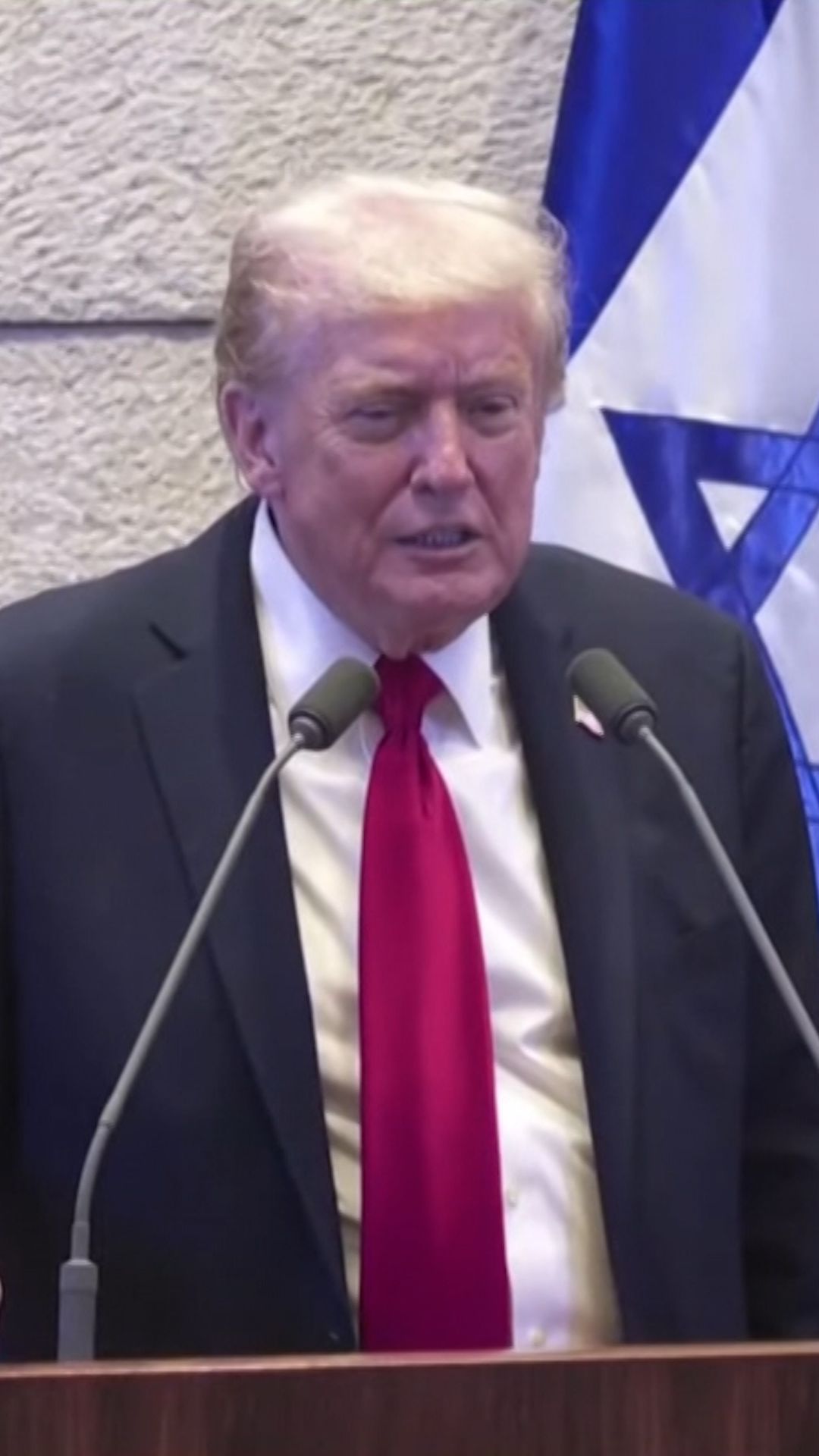
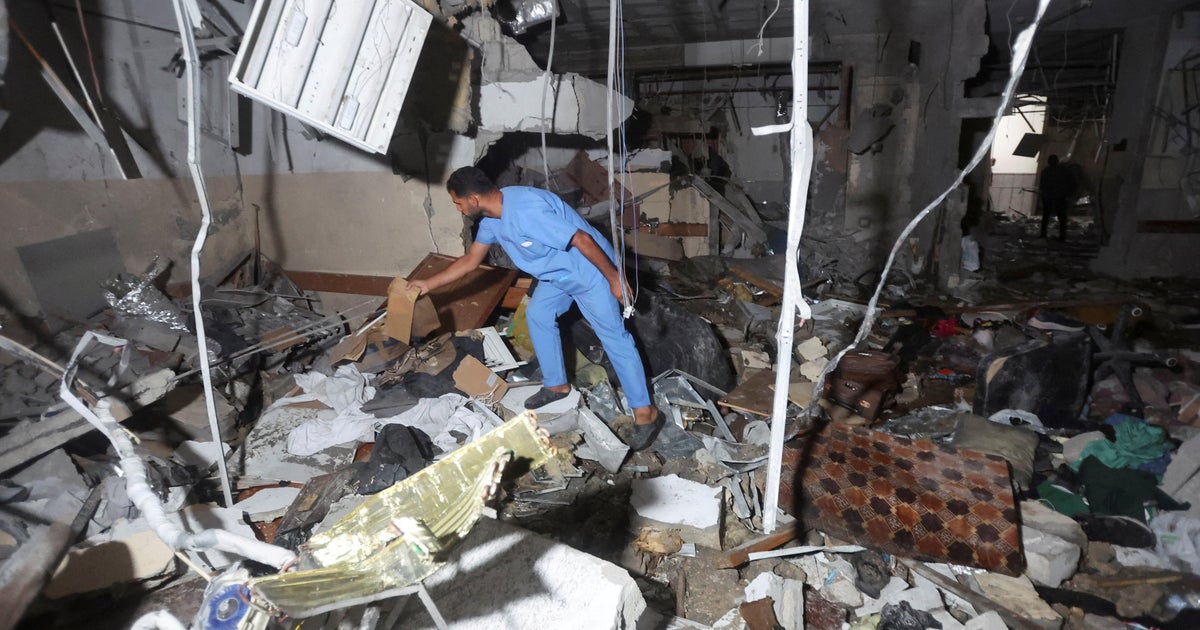
Paraguay's President Removed and Jailed Pending Trial After Ueno Bank Collapse
Santiago Peña, a close Trump ally, was removed from office Friday and charged Saturday after the fintech lender froze accounts for millions of Paraguayans.
When Ueno Bank's services stopped working in the early hours of last Tuesday, millions of Paraguayans lost access to the accounts they used for everyday purchases. Within days the collapse had brought down the country's president. Santiago Peña, a close ally of President Donald Trump, resigned Thursday and was removed from office by Congress on Friday. Prosecutors charged him Saturday with breach of trust and administration for personal gain, and he was ordered held in pretrial detention at a military facility while the investigation continues. Peña has pleaded not guilty.
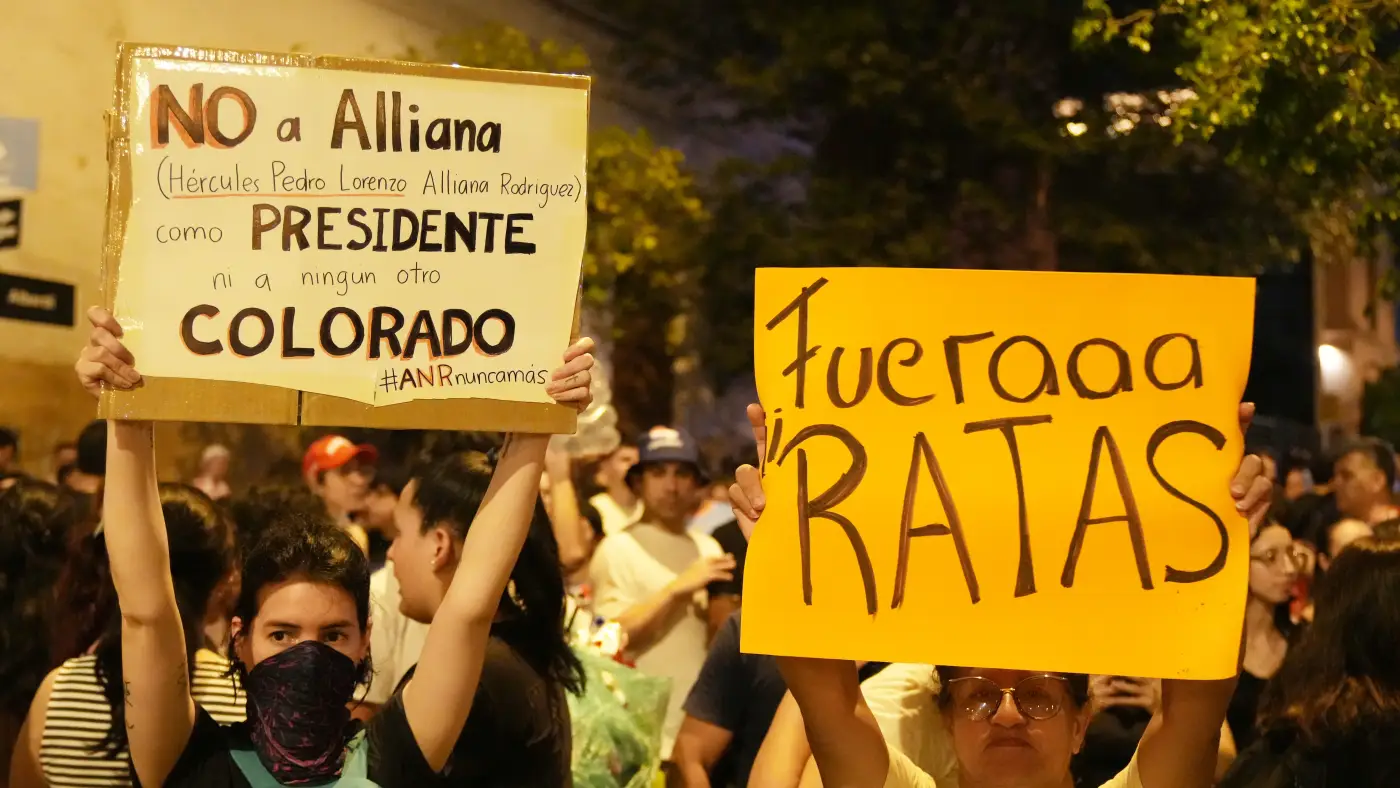
Ueno said it had 2.9 million customers, about 60 percent of Paraguay's adult population. The Central Bank put the number of depositors at roughly 1.8 million. By Saturday, authorities said almost 1.2 million customers had received an advance payment from the state's deposit guarantee fund, but many were still waiting. Hundreds of people gathered outside Congress in Asunción on Friday to protest, angry both about frozen money and about what they saw as a broader failure of accountability.
Ueno began as a fintech in 2021 and started operating as a bank in November 2023. Its fast growth was driven by slick marketing and a phone-based model built around convenience and cashback deals. "They were bombarding us with messages telling us to put our money there," said Betarram Caballero, a 23-year-old biochemistry student and president of the student center at the National University of Asunción. Classmates, she said, had money frozen that they needed for bus fare and food.
The bank also held large amounts of public money. Paraguay's Social Security Institute had about $355 million invested in Ueno, around 9 percent of its portfolio. Manuel Ferreira, a former finance minister, told the local outlet ABC Color that many of Ueno's loans went to companies linked to its controlling owners, Grupo Vásquez, including $146 million lent to just three companies. He said some of the bank's promissory notes were signed by the same people on both sides of the transaction.
Peña's personal ties made the scandal especially damaging. His 2023 asset declaration listed shares in Ueno Holding worth about $845,000, which he sold in March 2025 when they represented about 1.6 percent of the company's paid-up capital. He also named Carlos Carvallo, who had led Ueno Bank, to head the Central Bank in 2023. Prosecutors allege Peña used his position to influence public agencies and state-owned entities to keep deposits at the bank. Carvallo was arrested and charged with breach of trust, administration for personal gain and producing false public documents. Eight Ueno executives, including 36-year-old CEO Miguel Vásquez, were also arrested and charged.
Vice President Pedro Alliana has been sworn in as president and will serve out the term until August 2028.
The crisis also exposed a power struggle inside the ruling Colorado Party. Former President Horacio Cartes, a tobacco magnate, handpicked Peña to lead his Honor Colorado faction in 2023, but the two had grown apart as Peña built his own base. After the collapse, Cartes released a statement Wednesday insisting there should be "no impunity for anyone," and his faction backed Peña's removal the next day. Many saw that as a decisive withdrawal of political protection.
For protesters, the case is about more than one bank. "The laws apply differently to those who have money and those who don't," said Lizza Lugo, a 22-year-old student leader. Exporter Eduardo López, 35, said the scandal would deepen the distrust American business contacts already felt toward Paraguay's government. "It's a disaster," he said.