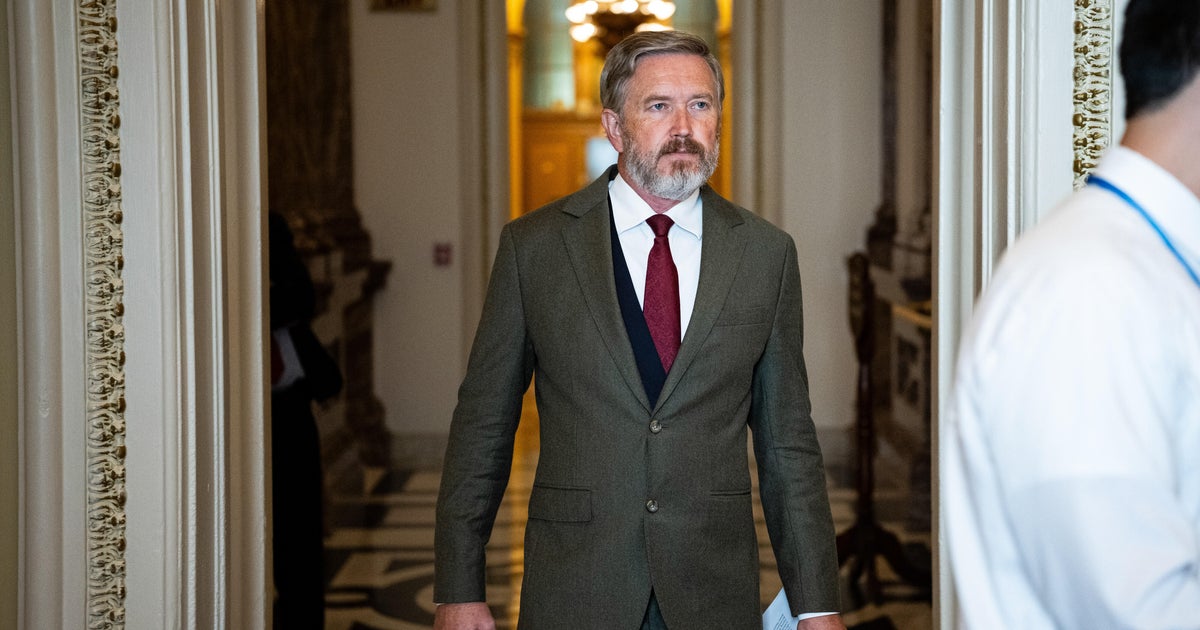
Paraguay's President Offers to Resign, but Congress Moves to Impeach Over Ueno Bank Collapse
Santiago Peña faces three criminal investigations after the seizure of Ueno Bank, which served more than 60% of Paraguayan adults. Both houses rejected his resignation.
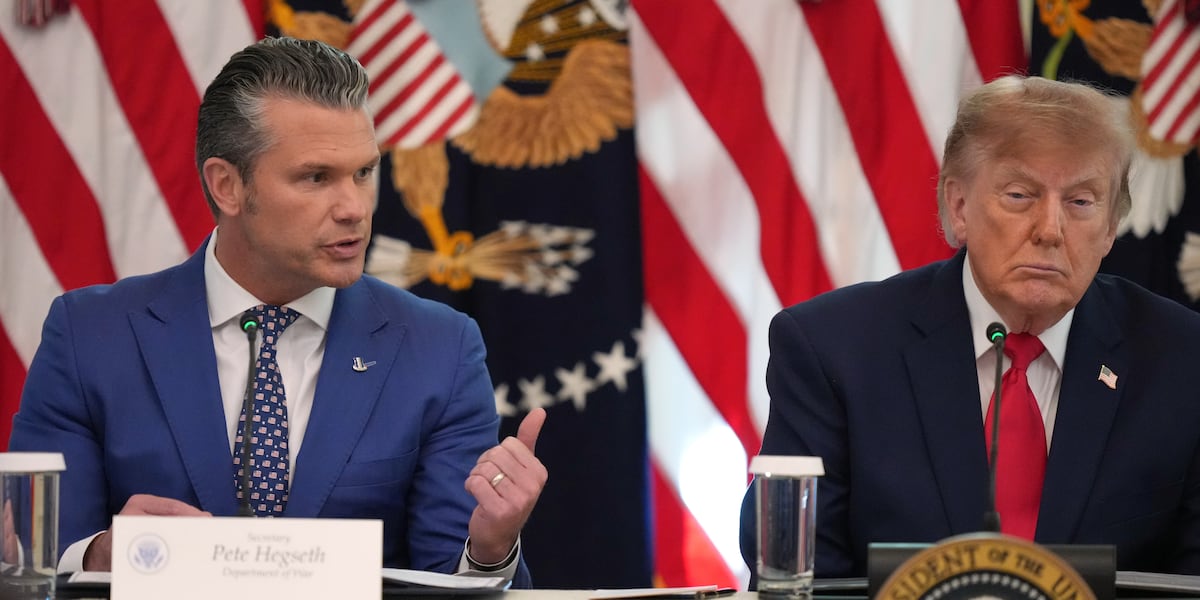
Paraguayan President Santiago Peña offered to resign Thursday as the collapse of Ueno Bank set off a political crisis, but Congress refused to let him go quietly. The lower house unanimously impeached him minutes after he posted his resignation on X, and both chambers then declined to accept it, the Associated Press reported. The Senate is moving ahead with a trial that could remove him, with a hearing scheduled for Friday.
Prosecutors have also opened criminal cases. Attorney General Emiliano Rolón Fernández ordered three investigations, including allegations involving Peña and other current and former officials. Peña said he would cooperate. Until last year he held a stake in a company linked to Ueno. "I want to apologize to the people if I have failed them at any point," he said. Opposition senators argue that a resignation would keep him eligible to become a senator for life, a status with legal protections against prosecution. If he is removed, Vice President Pedro Alliana would succeed him.
Ueno grew from an obscure finance company into a major digital bank in under five years, winning its banking license in 2023. It reportedly served more than 60% of Paraguay's adults, operated more than 70 locations and sponsored the national soccer team. As of last month it held about $800 million in public deposits, roughly a quarter of its total, including money from the state pension and health funds and from dam operators. Peña had appointed Carlos Carvallo, president of Financiera Ueno, to run the central bank that supervises it. Central bank inspectors reportedly found risky lending to insiders in June, yet Peña defended the bank publicly as recently as last month.
The collapse came fast. On Monday, regulators found poorly documented loans and improperly counted expenses, and Ueno's capital fell below half the legal minimum. On Tuesday the central bank seized the institution. On Wednesday, customers rushed to open accounts elsewhere, crashing other banks' apps, and Congress passed a law creating a guarantee fund. On Thursday a judge ordered six executives jailed pending trial, including founder Miguel Vázquez and president Juan Manuel Gustale, and placed two others under house arrest. Prosecutors have charged 27 officials and associates with breach of trust and attempted fraud. Gustale's lawyer, José Fernández Zacur, argued that executives relied on staff for lending decisions.
The new fund must repay stranded depositors within five business days, starting Thursday with accounts of up to about $1,600. It insures up to about $36,000 per customer and is expected to cover full balances for an estimated 97% of clients. The Labor Ministry estimates about 7,000 direct and indirect jobs were affected.
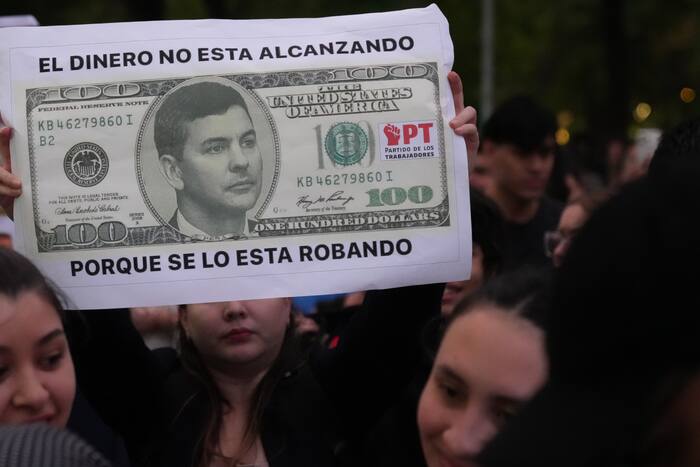
Anger spilled into the streets. "Santiago Peña and the Colorado Party have stolen all our savings," protester Luis Pineda said. Adolfo Villalba said, "Let the impeachment process take place and let him lose his immunity." Paraguay ranks worse than every other South American country except Venezuela on Transparency International's corruption index, a backdrop that has made the public quick to suspect cronyism in the bank's rise.