Memorial Day Travel Tests Consumer Limits as Spirit Collapse and Fuel Costs Soar
The unofficial start of summer travel season will reveal how much Americans are willing to pay amid airline disruptions and rising gas prices.

The Memorial Day weekend travel season is emerging as a critical test of consumer spending power as Americans face a perfect storm of higher costs and reduced airline options following Spirit Airlines' collapse. The unofficial start of summer travel will provide key insights into whether travelers are willing to absorb significantly higher transportation costs or will scale back their vacation plans.
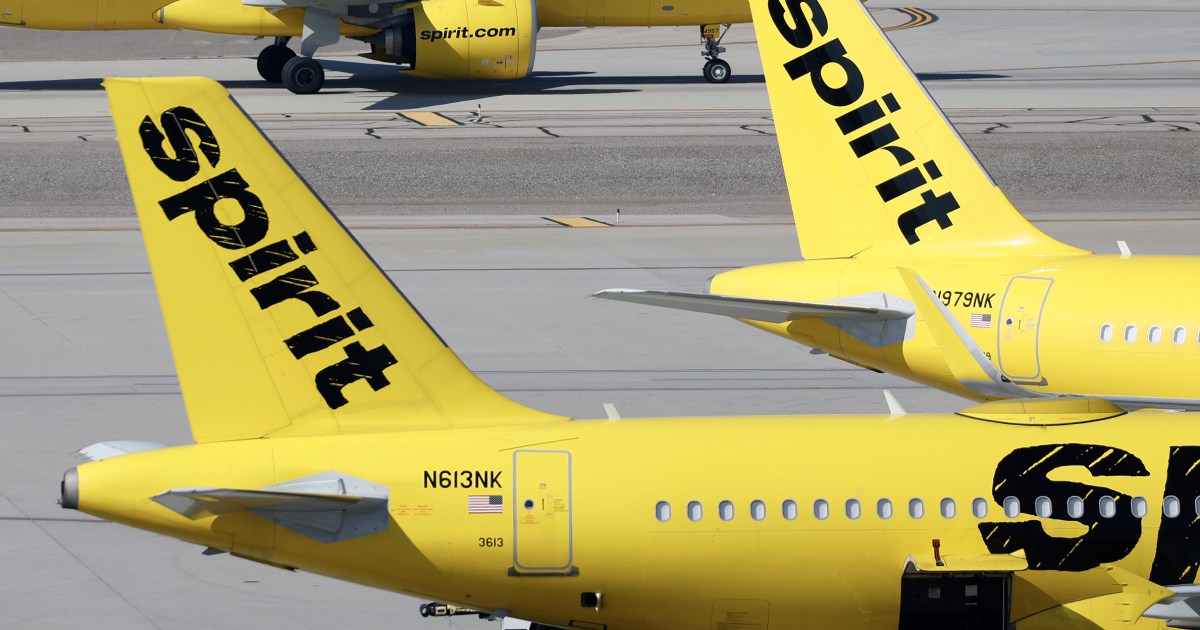
Spirit's collapse has eliminated one of the most affordable airline options for budget-conscious travelers, forcing consumers to choose from more expensive carriers or alternative transportation modes. The low-cost airline's demise has reduced competition in many markets, giving remaining airlines greater pricing power precisely when fuel costs are driving up operational expenses across the aviation industry.
Rising fuel prices are creating a double burden for travelers, increasing both airfare and ground transportation costs. Gas prices approaching $5 per gallon in many regions are making road trips more expensive, while airlines are passing along higher jet fuel costs through increased ticket prices. The combination leaves consumers with fewer affordable travel options heading into the peak summer season.
The travel industry is closely monitoring consumer behavior during the Memorial Day period to gauge demand elasticity and spending priorities. Strong travel demand despite higher costs would signal consumer resilience and willingness to prioritize experiences over other spending categories. Conversely, significant pullbacks in travel activity could indicate that price increases have reached a tipping point for many households.
Industry analysts expect the Memorial Day results to set the tone for the entire summer travel season. Airlines, hotels, and other travel-related businesses are watching booking patterns and spending data to determine optimal pricing strategies for the months ahead. The outcome will influence whether travel companies maintain current pricing levels or adjust strategies based on consumer response to the new cost environment.