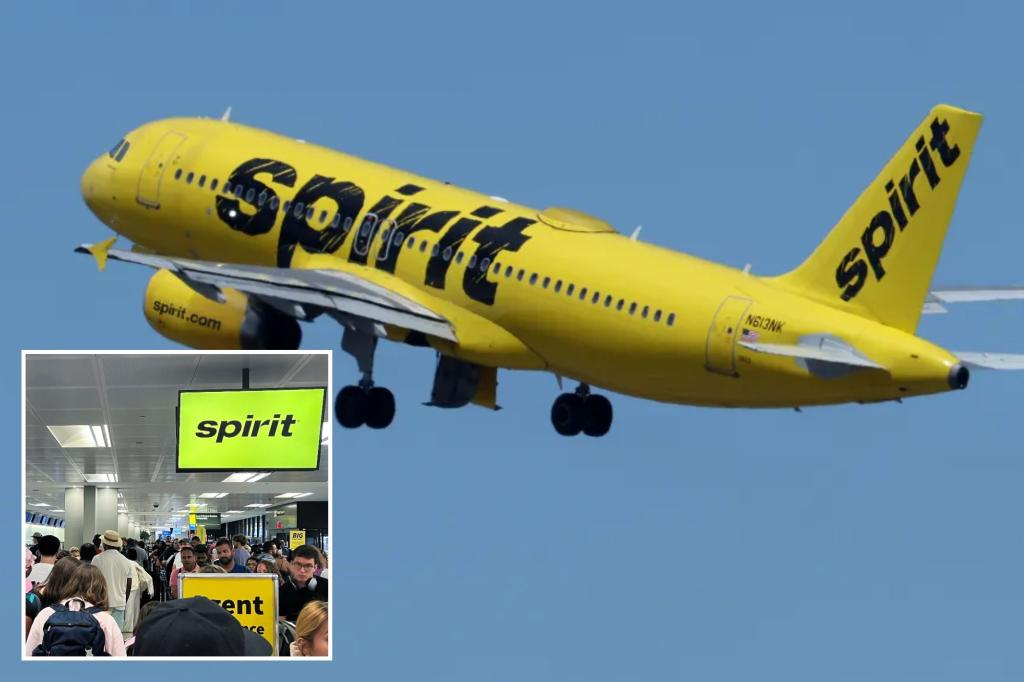
Spirit Airlines Shuts Down Operations Leaving Thousands Stranded
The budget carrier's sudden closure affects 17,000 employees and countless travelers as soaring fuel costs from the Iran war prove insurmountable.
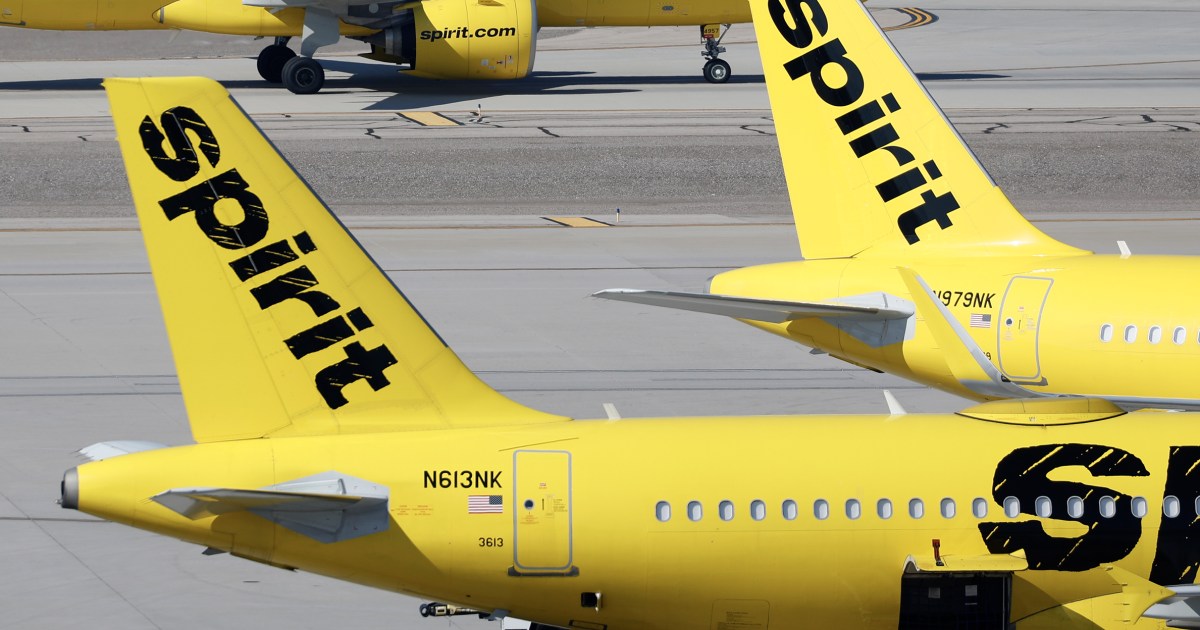
Spirit Airlines announced its immediate shutdown and liquidation over the weekend, leaving thousands of travelers stranded and ending the discount carrier's role as a major force in keeping airfares low across the industry. The sudden collapse came after failed negotiations with the Trump administration for a government bailout, as the airline proved unable to bear the soaring costs of jet fuel during the ongoing Iran war that has disrupted global energy markets.
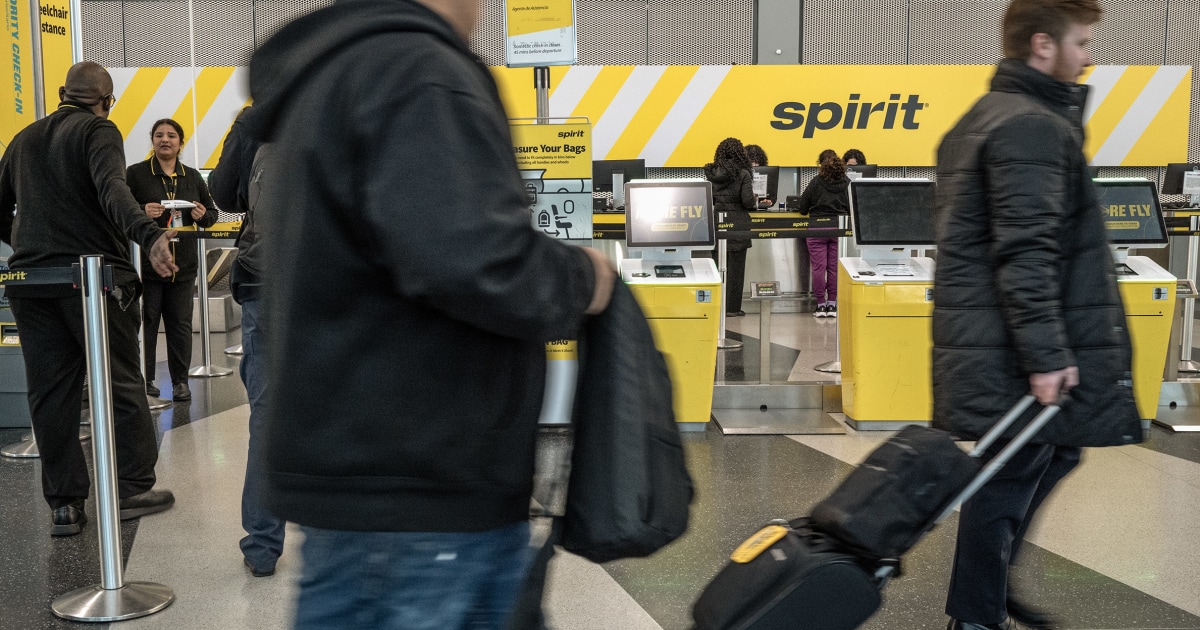
Passengers arriving at airports nationwide, particularly at Spirit's hub in Fort Lauderdale-Hollywood International Airport, discovered their flights no longer existed only upon reaching curbside check-in. "I just found out," said Ricardo Tejeda after stepping off a shuttle at Fort Lauderdale on Saturday, expressing the confusion and frustration shared by countless travelers who had been left without notification of the shutdown. The airline's abrupt closure left passengers scrambling to find alternative transportation and uncertain about refund prospects.
The airline's collapse represents a significant blow to competition in the domestic air travel market, where Spirit had carved out a crucial niche by forcing other carriers to keep fares low to compete with its ultra-low-cost model. Industry experts note that even in its reduced state following previous financial difficulties, Spirit played an important role in maintaining competitive pressure on legacy airlines to offer affordable options for budget-conscious travelers.
Spirit's 17,000 employees face immediate unemployment as the company begins liquidation proceedings. Transportation Secretary Sean Duffy announced that other airlines are planning to assist Spirit customers with canceled flights, though the specific terms of such assistance remain unclear. The sudden nature of the shutdown has complicated efforts to provide seamless rebooking options for affected passengers.
The airline's failure underscores the broader challenges facing the aviation industry as elevated fuel costs continue to squeeze profit margins across the sector. Spirit's business model, which relied on keeping operational costs extremely low while offering no-frills service, proved particularly vulnerable to the sustained fuel price increases triggered by the Iran conflict. The company's inability to secure government assistance despite the strategic importance of maintaining airline competition highlights the complex political and economic factors at play in the current crisis.