Spirit Airlines Liquidates After Failed Bailout Leaves 17,000 Jobless
Budget carrier shuts down operations immediately following breakdown in government rescue negotiations, citing unsustainable Iran war fuel costs.
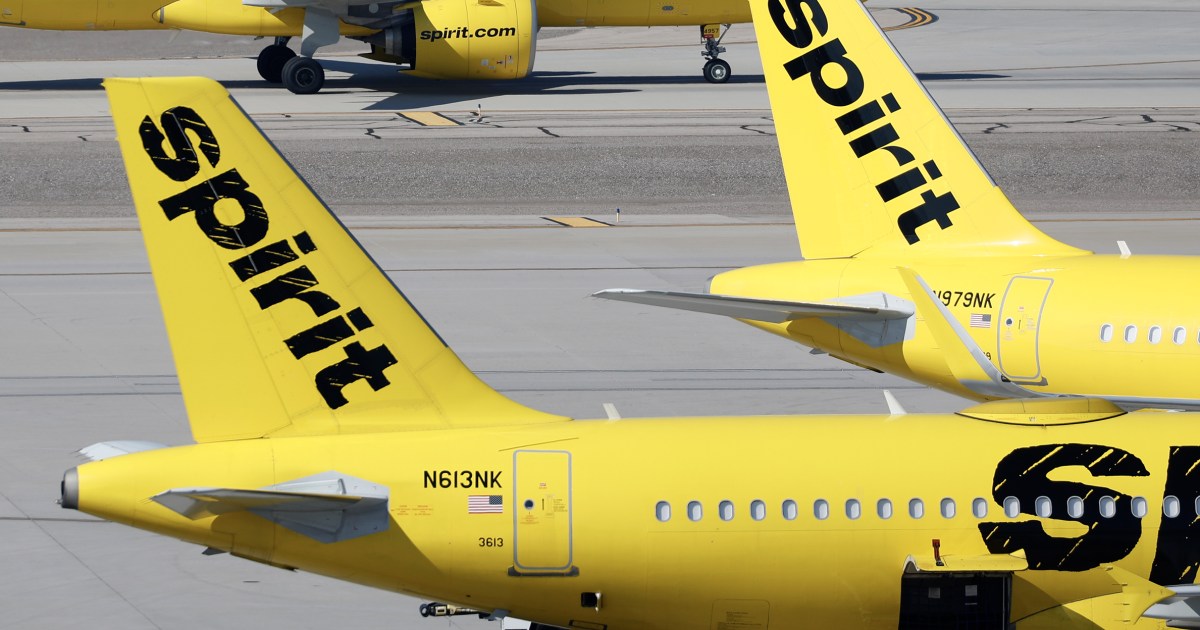
Spirit Airlines announced the immediate liquidation of its assets and cessation of all operations after last-ditch bailout negotiations with the Trump administration collapsed Friday night. The ultra-low-cost carrier, which employed approximately 17,000 people across its network, cited the unsustainable financial burden of soaring jet fuel costs during the Iran conflict as the primary factor forcing the shutdown. The closure marks the largest airline failure in recent U.S. aviation history and eliminates a major player in the budget travel market.
The airline's financial distress intensified rapidly as fuel prices skyrocketed during the ongoing Iran war, making Spirit's business model of offering rock-bottom fares financially unsustainable. Industry analysts note that Spirit's ultra-thin profit margins, which allowed the carrier to offer significantly cheaper tickets than competitors, became a liability when fuel costs surged beyond the company's ability to absorb or pass along to customers. The carrier had been burning through cash reserves at an accelerated pace throughout the conflict period.
Bondholders and government officials worked frantically throughout the week to structure a bailout package that could keep Spirit operational, but negotiations ultimately failed to produce a viable solution. Sources close to the discussions indicated that disagreements over restructuring terms, government equity stakes, and long-term viability assessments prevented reaching a final agreement. The Trump administration's decision to walk away from bailout talks late Friday sealed Spirit's fate.
The immediate shutdown created chaos at airports across Spirit's network, with thousands of passengers arriving for flights that no longer existed. The carrier's primary hub at Fort Lauderdale-Hollywood International Airport became a scene of confusion as travelers learned of the closure only upon arrival. Other airlines are expected to benefit from reduced competition but may not immediately fill all of Spirit's routes, potentially leaving some smaller markets with limited service options.
The collapse raises broader questions about the viability of ultra-low-cost carriers during periods of volatile fuel prices and geopolitical instability. Spirit's failure could reshape the domestic aviation landscape, potentially leading to higher average fares as competition decreases. The 17,000 displaced workers face an uncertain future, though other airlines experiencing pilot and staff shortages may absorb some of the workforce. Industry experts warn that Spirit's closure could signal vulnerability among other budget carriers operating on similarly thin margins.