Summer Travel Season Tests Consumer Limits as Spirit Airlines Collapses, Fuel Prices Surge
Memorial Day weekend will reveal how much travelers are willing to pay as airline industry faces major disruption from carrier collapse and elevated fuel costs.

The unofficial start of the summer travel season on Memorial Day weekend arrives at a critical moment for the airline industry, as the collapse of Spirit Airlines and persistently high fuel prices test the limits of consumer spending on vacation travel. Industry analysts are closely watching booking patterns and pricing trends to gauge whether Americans will maintain their post-pandemic travel enthusiasm despite mounting financial pressures.
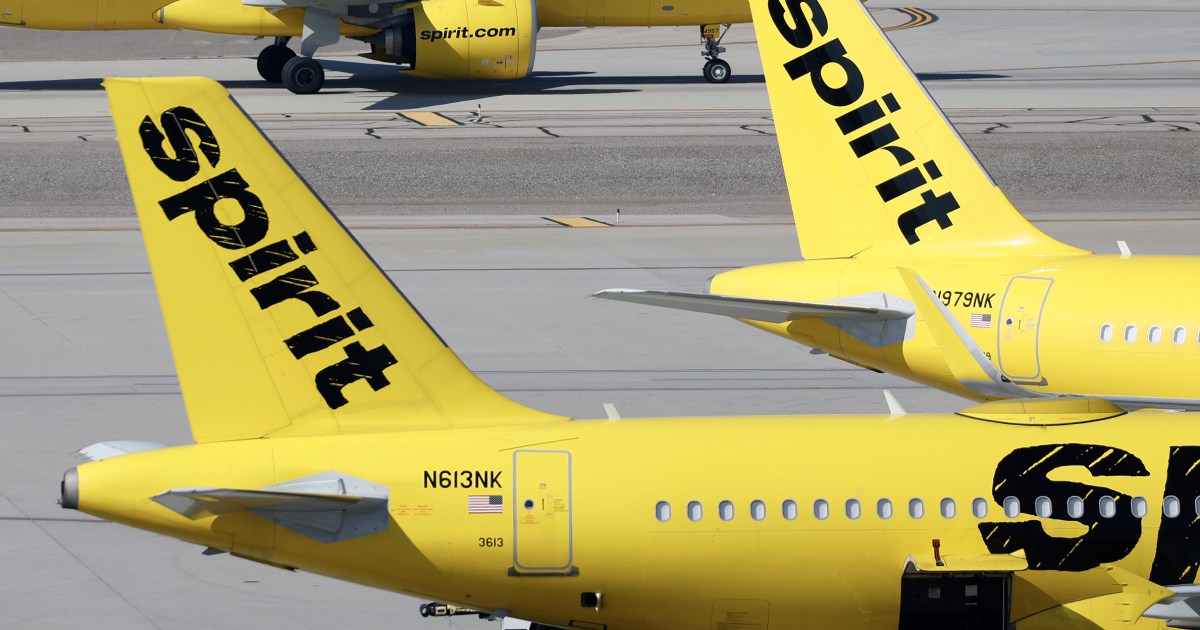
Spirit Airlines' dramatic collapse has sent shockwaves through the budget travel market, eliminating a major low-cost option that millions of travelers had relied upon for affordable domestic flights. The carrier's sudden exit from the market has created capacity constraints across the industry, particularly affecting routes where Spirit had maintained significant market share and competitive pressure on legacy airlines.
Fuel costs remain elevated compared to pre-pandemic levels, creating additional pressure on airline operating expenses and ticket prices. The combination of reduced competition from Spirit's absence and higher operational costs has created what industry experts describe as a "perfect storm" for higher airfares during the peak summer travel season. Airlines are now testing whether consumers will accept significantly higher prices or reduce their travel plans.
The broader economic environment adds another layer of complexity to summer travel demand. While employment remains strong in many sectors, inflation concerns and elevated costs for housing, food, and other essentials have squeezed household budgets. Travel industry executives are uncertain whether Americans will prioritize vacation spending or cut back on discretionary travel to manage other expenses.
Memorial Day weekend historically serves as a bellwether for summer travel trends, with booking patterns and pricing acceptance during the holiday period often predicting demand throughout the peak season. Airlines, hotels, and other travel-related businesses are closely monitoring consumer behavior during this crucial period to adjust capacity, pricing strategies, and service offerings for the months ahead. The results could reshape industry expectations for what has traditionally been the most profitable period of the year for travel companies.