Summer Travel Costs Soar as Iran War and Spirit Collapse Hit Vacationers
Memorial Day weekend will test consumer spending limits as high fuel prices and reduced airline capacity drive up vacation expenses nationwide.

American families are facing a significantly more expensive summer vacation season as the confluence of the Iran war, Spirit Airlines' collapse, and rising fuel costs creates a perfect storm of travel pricing pressures. The unofficial start of summer travel during Memorial Day weekend is serving as a crucial test of consumer spending resilience, with industry analysts closely watching whether travelers will absorb higher costs or scale back their vacation plans. Gas prices have surged due to disruptions around the Strait of Hormuz, while airfare costs have increased substantially following Spirit's exit from the market and broader capacity constraints across the airline industry.
The ongoing conflict with Iran has created substantial volatility in energy markets, with crude oil prices spiking as military actions threaten shipping lanes through the Strait of Hormuz. This critical waterway handles approximately 20% of global oil transit, and any disruptions to shipping in the region immediately impact fuel costs worldwide. American drivers are seeing gas prices vary significantly by location, with some regions experiencing increases of more than a dollar per gallon since the conflict began. The energy cost increases are particularly problematic for summer travel planning, as many Americans rely on road trips for affordable vacation options.
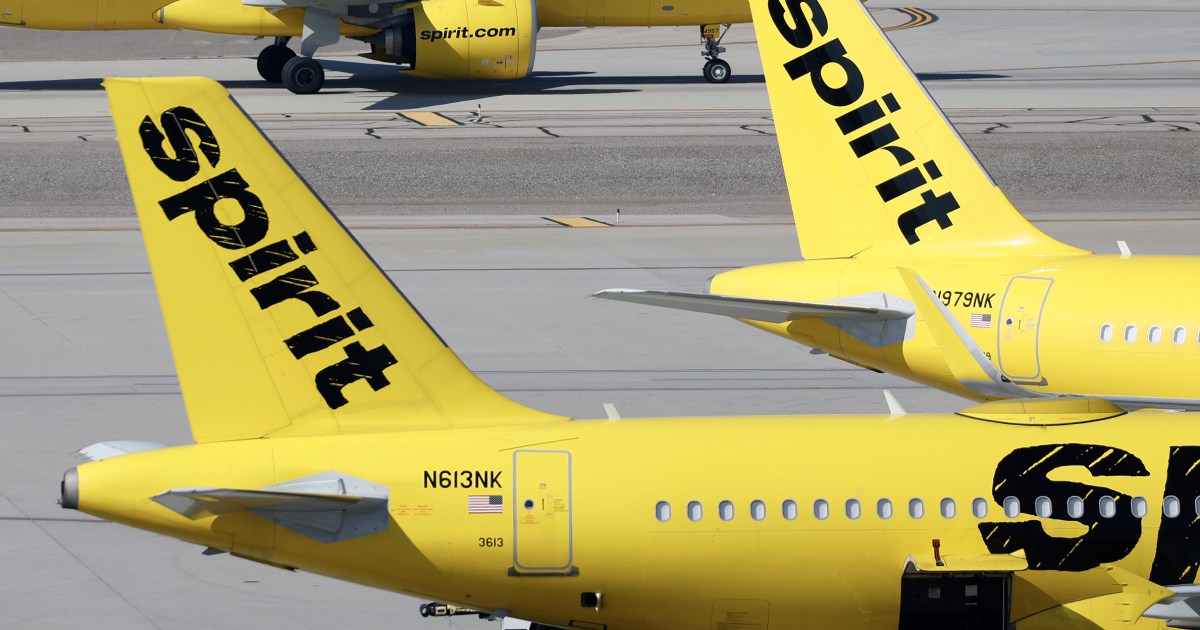
Spirit Airlines' collapse has removed a significant low-cost option from the domestic aviation market, reducing competitive pressure on ticket pricing across the industry. The budget carrier's failure has eliminated millions of seats from the market during peak summer travel season, forcing passengers to book with higher-priced competitors or abandon travel plans altogether. Major airlines have been quick to adjust capacity and pricing to capitalize on reduced competition, with some routes seeing fare increases of 30% or more compared to the previous summer season.
The timing of these challenges coincides with what was expected to be a robust summer travel season, as pent-up demand from previous years continues to drive vacation planning. However, consumers are now facing difficult choices about whether to proceed with expensive trips or find alternative ways to enjoy their time off. Travel industry surveys suggest that many Americans are becoming more selective about their destinations and duration of trips, with some opting for shorter, closer-to-home vacations to manage costs.
Even if the Iran conflict ends soon, energy analysts warn that summer fuel costs are unlikely to return quickly to pre-war levels due to ongoing supply chain disruptions and strategic petroleum reserve considerations. Airlines are also not expected to immediately lower fares, as they work to restore profitability in a challenging operational environment. The combination of factors suggests that higher travel costs may persist throughout the peak summer season, potentially reshaping vacation patterns and spending habits for millions of American families who have been looking forward to post-pandemic travel normalization.