Spirit Airlines CEO Explains Carrier's Sudden Collapse: 'We Ran Out of Runway'
Discount airline shuts down operations after high fuel prices from Iran war make business model unsustainable, leaving thousands stranded.

Spirit Airlines CEO Dave Davis explained the carrier's abrupt shutdown by stating "we just kind of ran out of runway," as the discount airline permanently ceased operations before dawn on Saturday following an insurmountable financial crisis triggered by soaring fuel costs. The collapse of America's most famous ultra-low-cost carrier represents a dramatic end to Spirit's 30-year run as a pioneer in budget air travel, leaving thousands of passengers stranded and highlighting how geopolitical events can devastate airline business models that depend on razor-thin profit margins and low operating costs.
In court documents filed Monday, Spirit Airlines attributed its demise directly to what it termed "recent geopolitical events" that resulted in "a massive and sustained increase in fuel prices." While the airline did not explicitly name the ongoing conflict, jet fuel prices have soared dramatically in the two months since fighting began in Iran, making Spirit's low-fare business model economically unsustainable. The airline's legal filings revealed that company executives and advisors had exhausted all possible options for additional capital and cost savings before making the decision to ground the fleet permanently.
Spirit's bankruptcy and shutdown underscore the vulnerability of budget carriers to external economic shocks, particularly fuel price volatility. The airline built its business model around offering extremely low base fares while charging fees for virtually every additional service, a strategy that required keeping operating costs as low as possible to maintain profitability. When fuel costs spiked beyond the airline's ability to absorb or pass on to customers through higher fares, the fundamental economics of the business became untenable almost overnight.
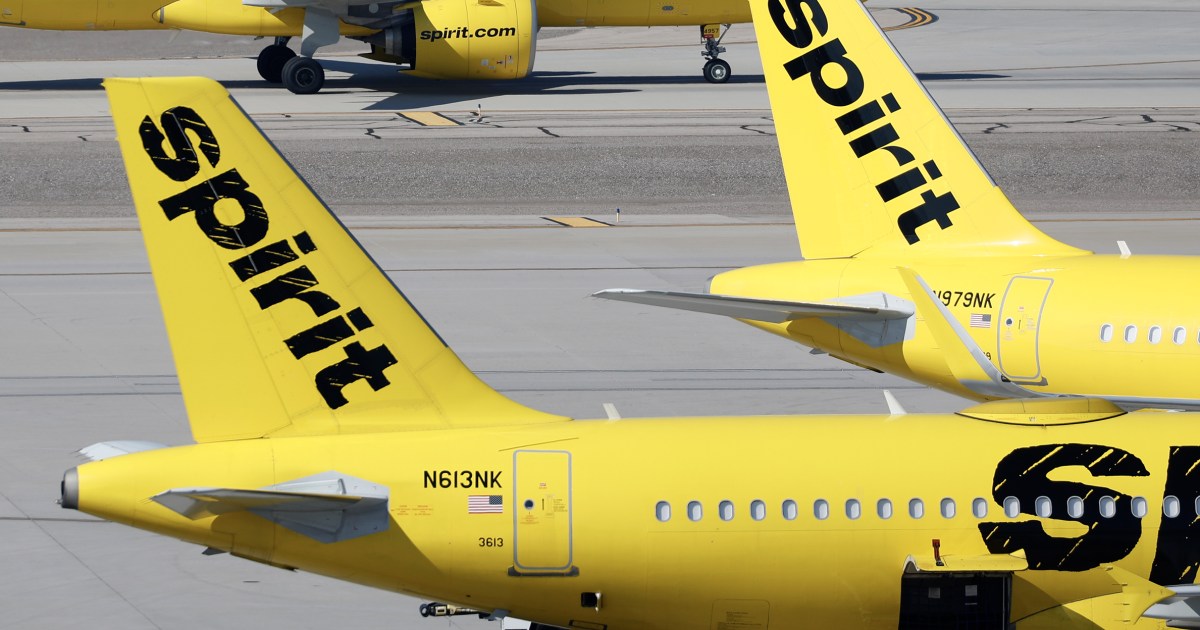
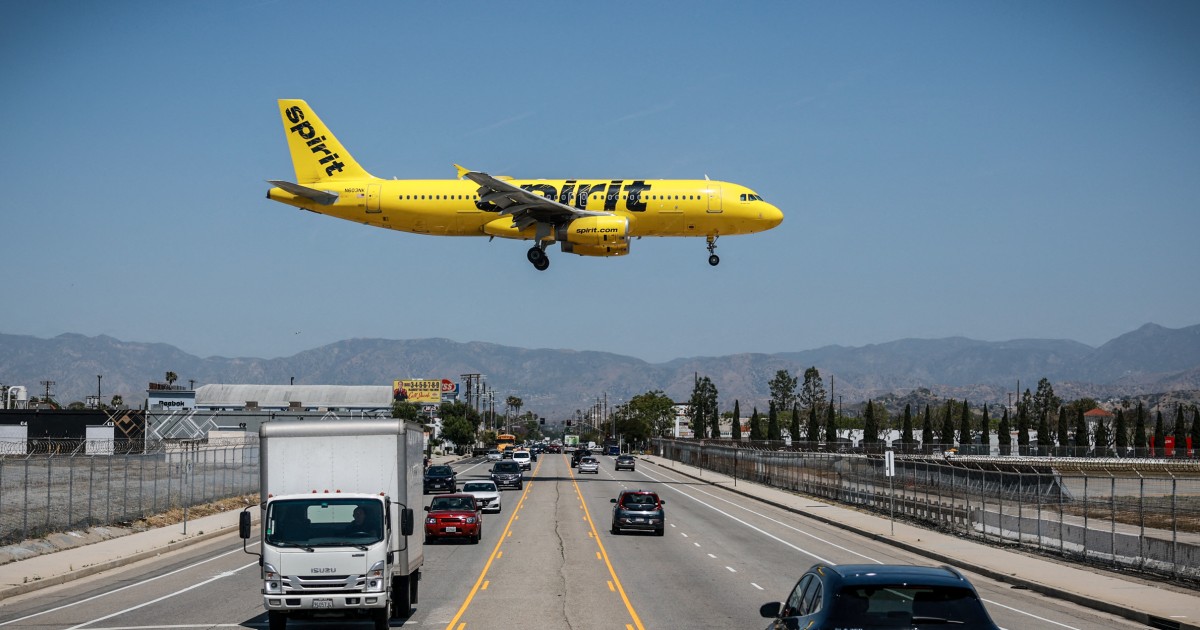
The sudden nature of Spirit's collapse caught many passengers off guard, with the airline operating normally through Friday before announcing the shutdown. The carrier had been known for its distinctive yellow planes and no-frills service that attracted price-conscious travelers willing to forgo traditional airline amenities in exchange for low fares. Spirit's innovative approach to airline pricing influenced the entire industry, with many major carriers adopting similar fee structures for services that were once included in ticket prices.
The airline's failure sends ripples throughout the travel industry and raises concerns about reduced competition in the domestic aviation market. Spirit served numerous routes that may now see limited service from other carriers, potentially leading to higher fares for consumers in certain markets. Aviation industry analysts are closely monitoring how other low-cost carriers respond to the same fuel cost pressures that ultimately brought down Spirit, as similar economic conditions could threaten additional airlines that operate on thin profit margins. The Spirit shutdown also represents thousands of lost jobs across the airline industry and significant disruptions for airports that relied heavily on the carrier's operations.