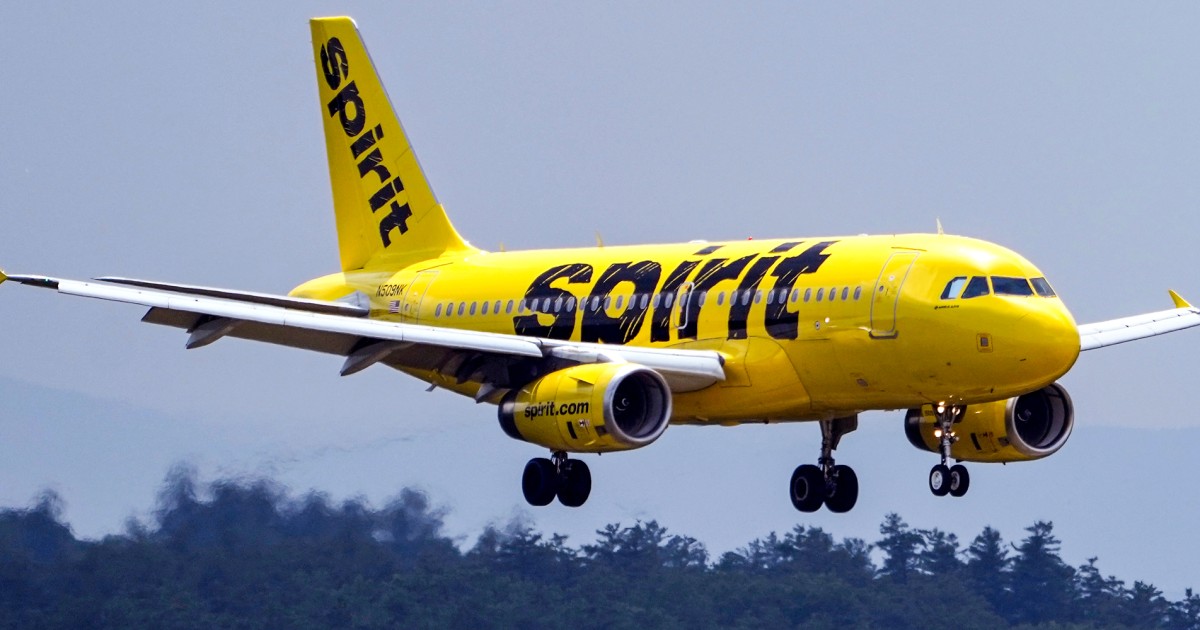
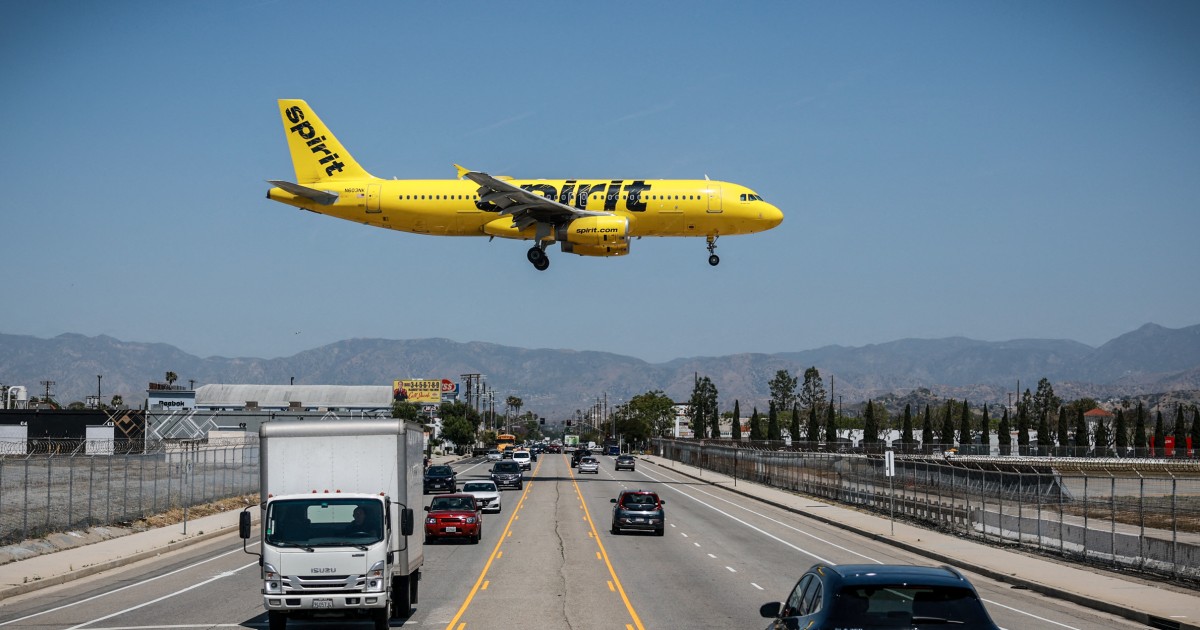
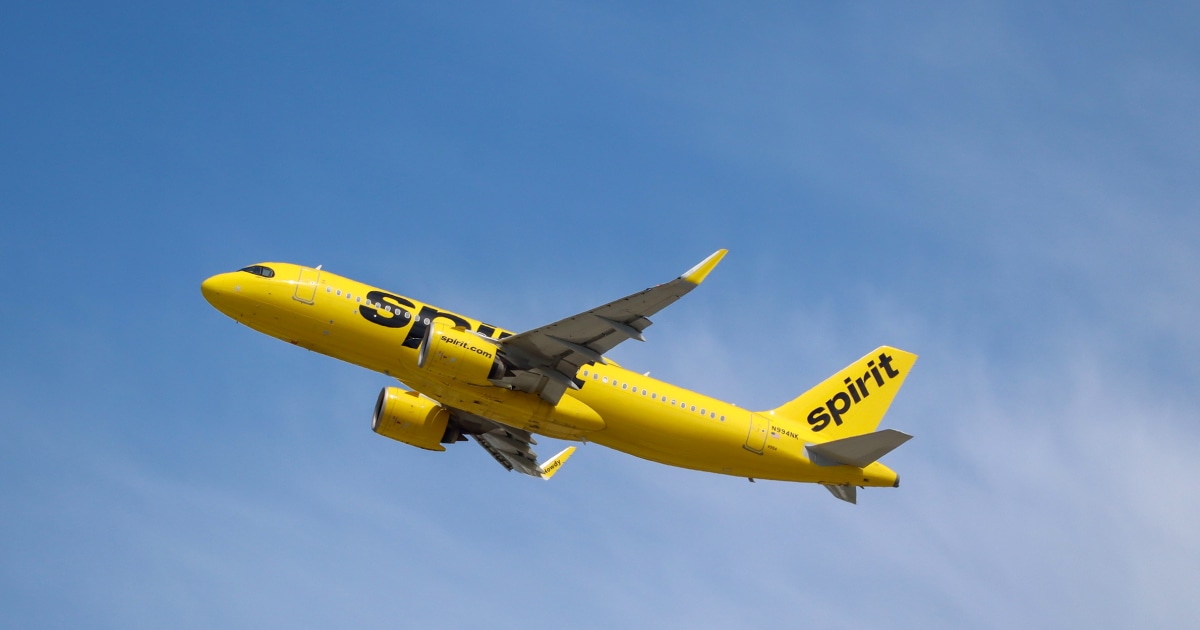
Spirit Airlines Shuts Down Operations After Bailout Negotiations Collapse
Discount carrier unable to bear soaring fuel costs during Iran war, leaving 17,000 employees jobless and thousands of travelers stranded.
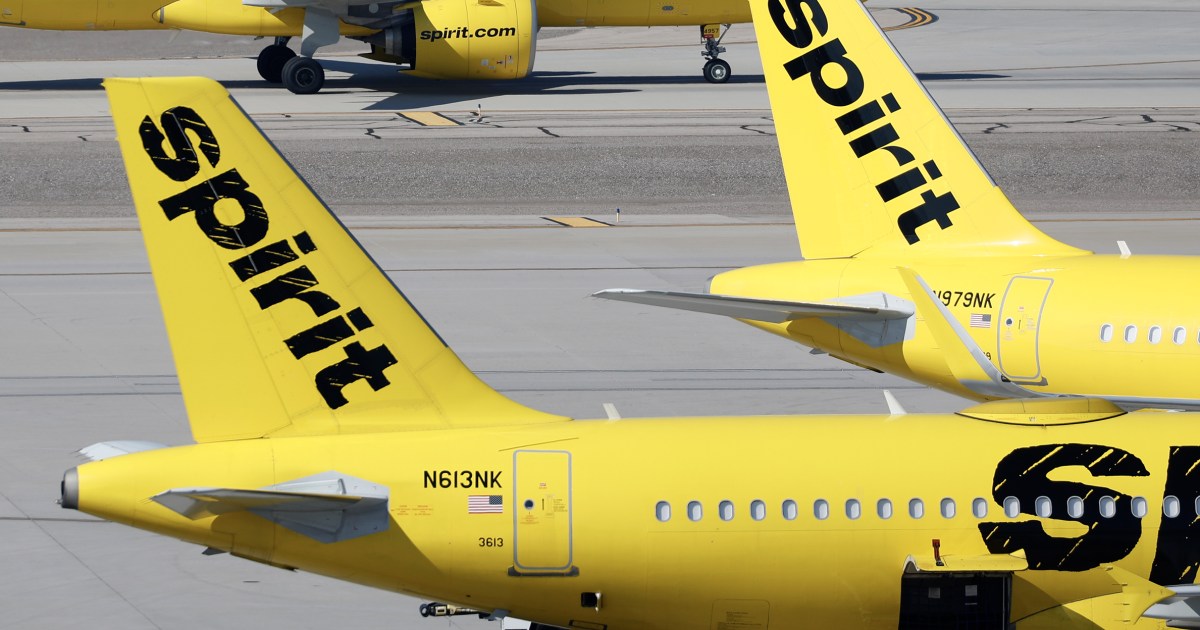
Spirit Airlines announced this weekend that it will permanently shut down and liquidate its holdings after failed bailout negotiations with bondholders and the government. The discount carrier, which employed approximately 17,000 people, cited its inability to sustain operations amid soaring jet fuel costs triggered by the ongoing Iran conflict. The sudden closure has left thousands of travelers stranded and marks the end of an era for ultra-low-cost air travel in the United States.
Passengers arriving at airports across the country, including Fort Lauderdale-Hollywood International Airport, discovered their flights no longer existed only upon arrival at terminals. Many travelers were still being dropped off for nonexistent flights over the weekend, learning about the shutdown from curbside personnel rather than advance notification. The airline's collapse represents one of the largest disruptions to U.S. air travel in recent years, affecting both domestic and international routes.
Talks with bondholders for a government bailout failed to produce an agreement this week, sealing the airline's fate. Industry analysts note that Spirit's business model, which relied heavily on keeping operational costs extremely low, became unsustainable as fuel prices surged due to supply chain disruptions and geopolitical instability in the Middle East. The Iran conflict has created significant volatility in energy markets, with jet fuel costs increasing dramatically over recent months.
Transportation Secretary Sean Duffy addressed the crisis in a public statement, outlining how other major airlines are coordinating to assist stranded Spirit customers. Several carriers have announced they will honor Spirit tickets on a limited basis and provide alternative booking options, though capacity constraints mean not all affected passengers will find immediate alternative flights. The federal government is working with industry partners to minimize disruption to travelers.
Despite its reduced market share in recent years, Spirit played a crucial role in forcing other airlines to maintain competitive pricing, according to aviation experts. The carrier's demise could lead to higher fares across the industry as competitive pressure diminishes. The shutdown also raises broader questions about the vulnerability of low-cost carriers during periods of economic stress and whether government intervention might be necessary to maintain airline competition in the future.