Spirit Airlines Begins Dismantling Operations After Industry's Biggest Collapse in Generation
Budget carrier apologizes to American public during bankruptcy hearing as monthslong shutdown process begins.
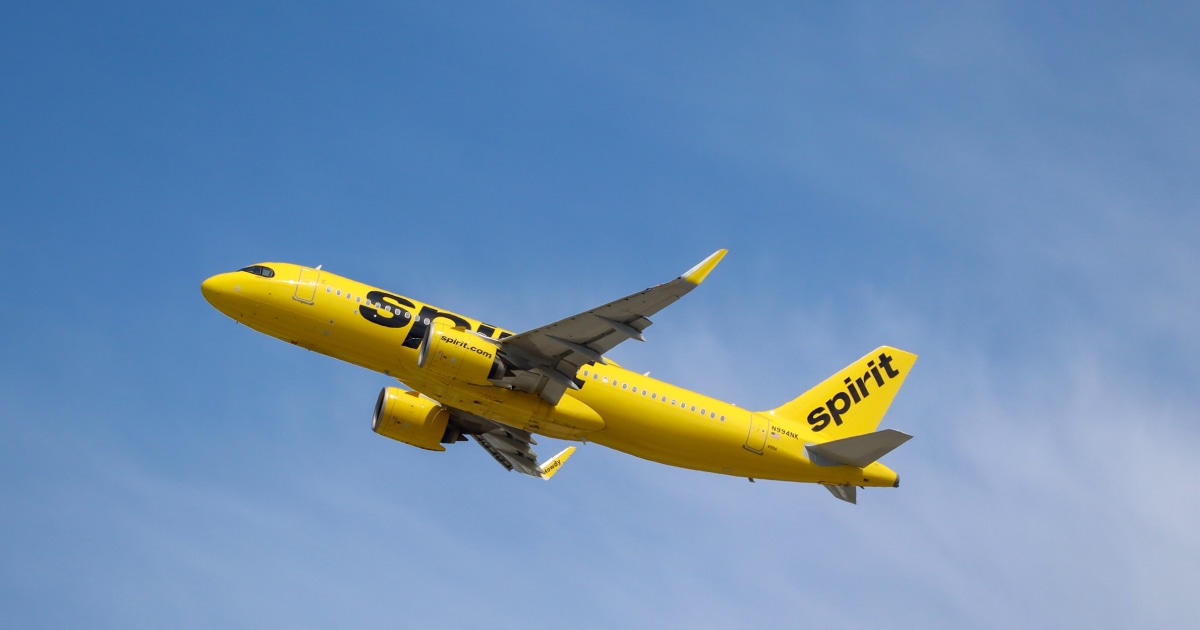
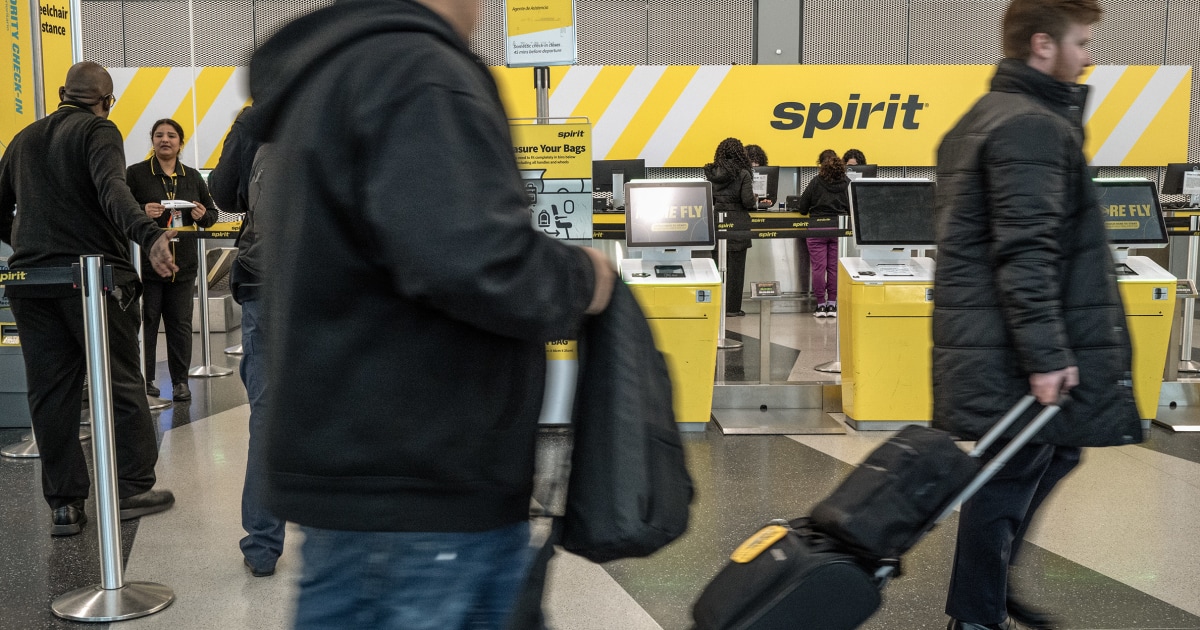
Spirit Airlines returned to bankruptcy court Tuesday to begin the formal process of dismantling the airline following what industry experts are calling the biggest airline collapse in a generation. The ultra-low-cost carrier, which shocked the aviation industry with its sudden shutdown last week, issued a public apology during the proceedings while outlining plans for a monthslong liquidation process that will affect thousands of employees and millions of passengers.
During the bankruptcy hearing, Spirit Airlines executives offered a rare public apology for the airline's abrupt closure. 'Thank you and sorry to the American public,' the company stated in court filings, acknowledging the widespread disruption caused to travelers who were left stranded when the airline ceased operations with little warning. The apology comes as consumer advocacy groups and federal regulators scrutinize the carrier's handling of the shutdown and its impact on passenger rights and refunds.
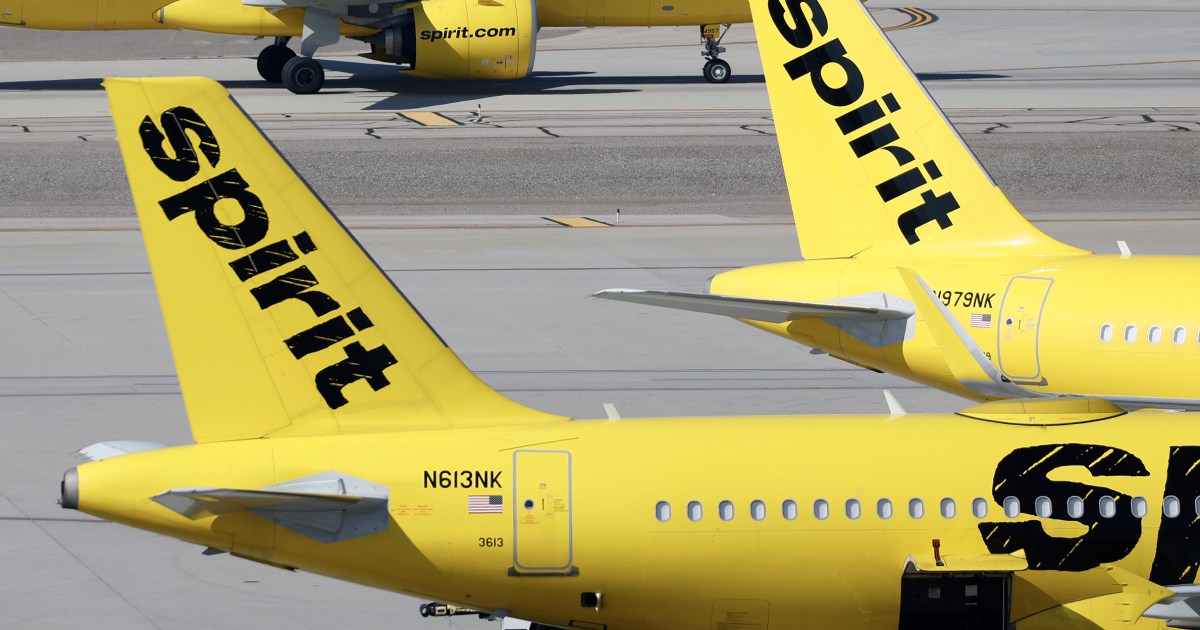
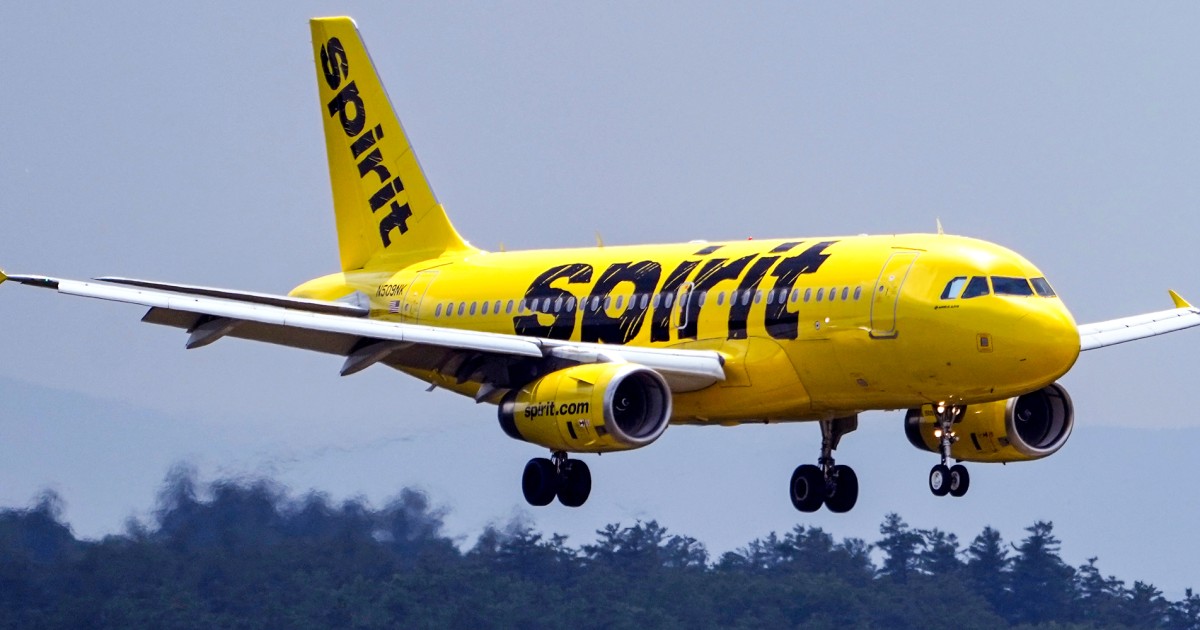
The dismantling process is expected to take several months as the airline works to liquidate assets, settle debts, and address obligations to employees and customers. Spirit's fleet of Airbus A320 family aircraft will likely be sold or returned to lessors, while the airline's gates and slots at major airports are already attracting interest from competitors. The bankruptcy court has appointed trustees to oversee the process and ensure that passenger refunds and employee severance payments are handled according to federal regulations.
Spirit's collapse represents a significant shift in the ultra-low-cost carrier market, which had seen rapid growth over the past decade. The airline's business model, which relied on unbundling services and charging fees for extras like carry-on bags and seat selection, had come under increasing pressure from both traditional carriers offering competitive basic fares and changing consumer preferences. Industry analysts point to rising operational costs, increased competition, and post-pandemic travel pattern changes as contributing factors to the airline's downfall.
The shutdown has immediate implications for the broader aviation industry, as competitors scramble to absorb displaced passengers and routes previously served by Spirit. Major carriers including American, Delta, and United have already announced plans to add capacity on key routes, while other low-cost carriers like Southwest and JetBlue are evaluating opportunities to expand their networks. The Spirit collapse also raises questions about the sustainability of the ultra-low-cost model and may prompt regulatory reviews of airline financial stability requirements.