Spirit Airlines Shuts Down Operations After Trump Bailout Talks Collapse
The budget carrier with 17,000 employees announced immediate closure Saturday morning, unable to bear soaring fuel costs during the Iran war.

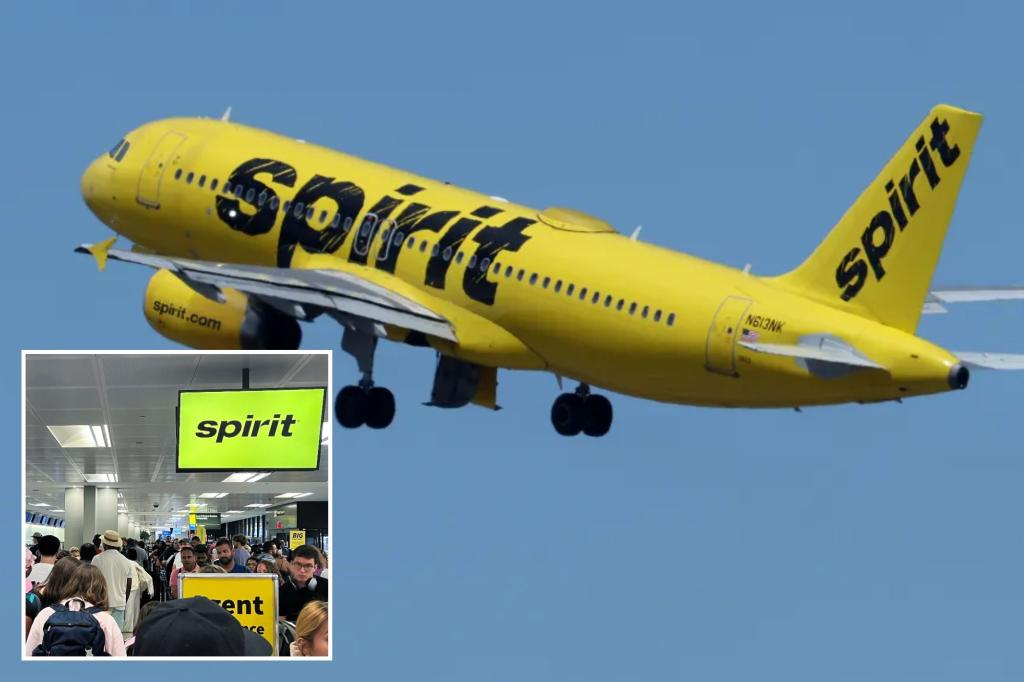
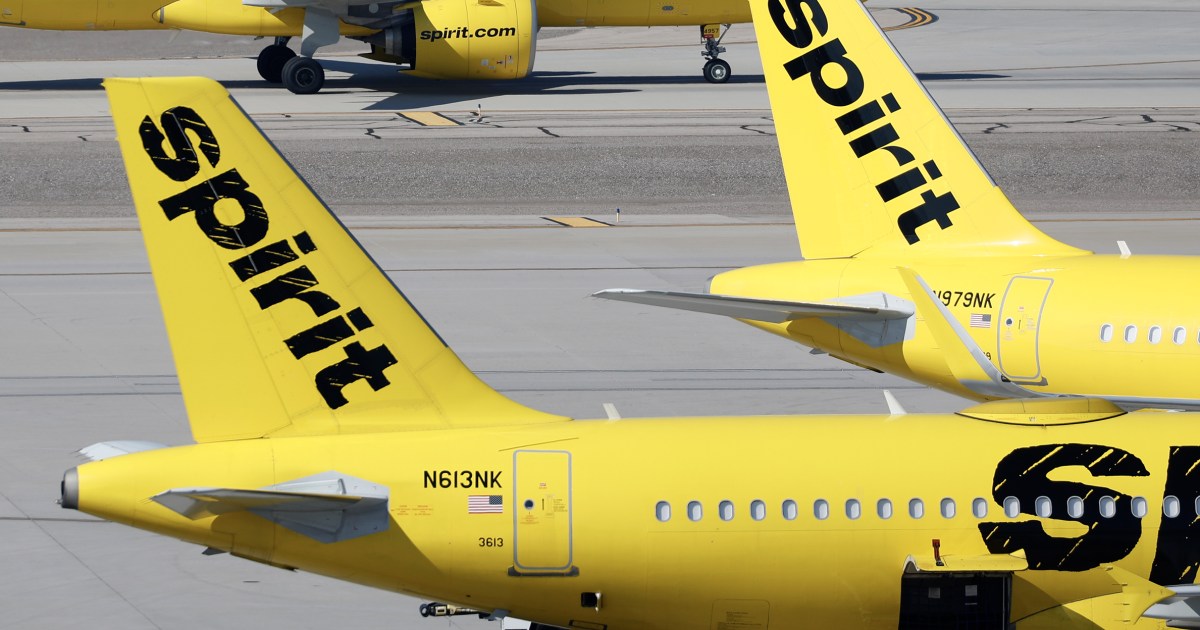
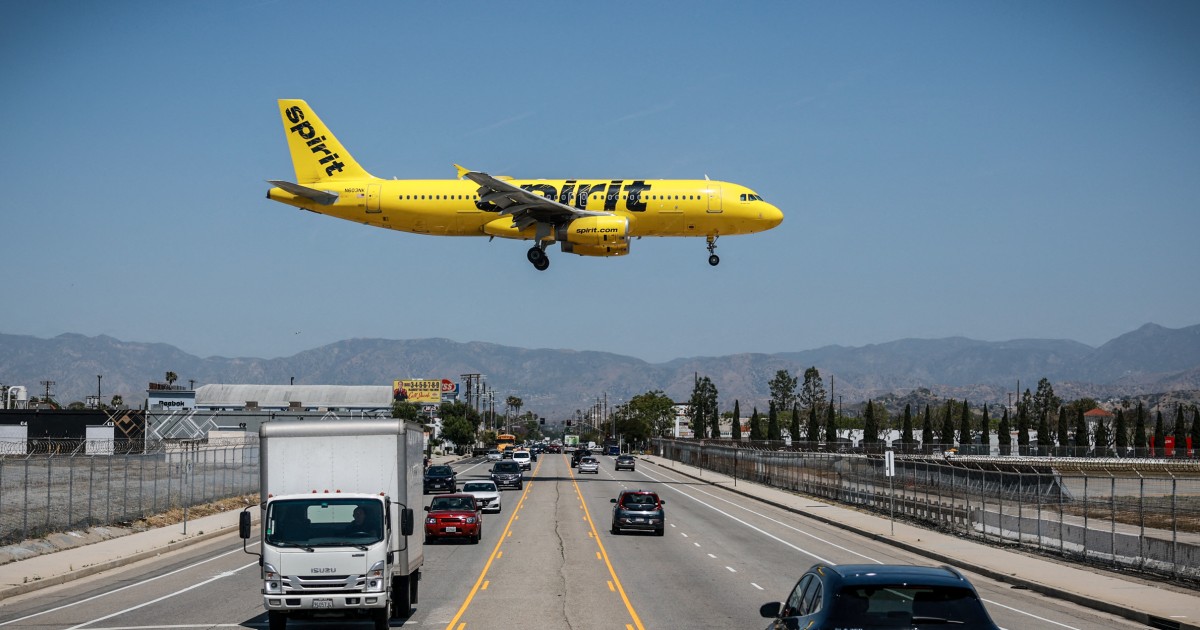
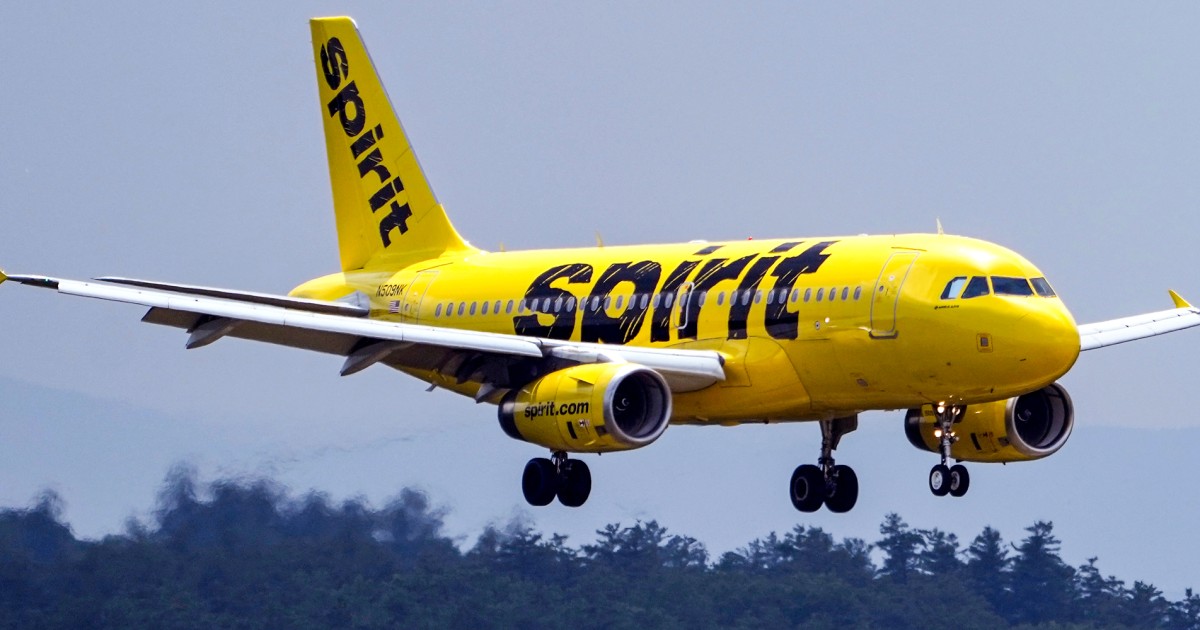
Spirit Airlines abruptly shut down all operations Saturday morning after last-minute bailout negotiations with the Trump administration failed to produce a deal. The budget carrier, which employed approximately 17,000 people, announced it had "no choice" but to wind down operations immediately due to mounting financial pressures from soaring jet fuel costs during the ongoing Iran conflict. The closure marks the end of an era for discount air travel in the United States.
The airline's sudden shutdown left thousands of passengers stranded at airports across the country, with many travelers only learning of the closure upon arriving at terminals. At Fort Lauderdale-Hollywood International Airport, Spirit's primary hub, passengers continued to be dropped off for flights that no longer existed. Ricardo Tejeda, one of many surprised travelers, told reporters he "just found out" about the shutdown after stepping off a shuttle at the airport.
Spirit's financial troubles intensified dramatically during the Iran war as jet fuel prices skyrocketed, making the airline's ultra-low-cost business model unsustainable. The carrier had been in talks with bondholders and the Trump administration throughout the week, seeking a government bailout to keep operations running. However, negotiations broke down Friday night, forcing the company to make the difficult decision to liquidate its holdings rather than continue bleeding money.
The airline's closure creates significant disruption for the travel industry, particularly affecting routes to leisure destinations where Spirit held substantial market share. Other carriers are expected to face increased demand and may raise prices in markets previously served by Spirit's budget flights. Industry analysts warn that the loss of Spirit's competitive pressure could lead to higher airfares across the domestic travel market.
For the 17,000 Spirit employees now facing unemployment, the shutdown represents a devastating blow to their livelihoods. The airline industry, already struggling with pilot shortages and operational challenges, must now absorb or replace a significant portion of Spirit's workforce. The collapse also raises questions about the long-term viability of ultra-low-cost carriers in an era of volatile fuel prices and geopolitical instability that can rapidly alter operating costs.