July Was the Hottest Month Ever Measured in the Lower 48 — 76.9 Degrees, Edging Out a Dust Bowl Record That Stood for 90 Years
NOAA's number beats July 1936 and July 2012 by a tenth or two of a degree. The nighttime record was not close: America's warmest month ever also refused to cool off after dark.
July 2026 was the hottest month ever recorded in the contiguous United States, the National Oceanic and Atmospheric Administration reported, with an average temperature of 76.9 degrees Fahrenheit across the lower 48 states — the highest figure in a record that begins in 1895.
The margin was thin. July 2026 came in roughly a tenth to two-tenths of a degree above July 1936, the Dust Bowl benchmark that had shared the top of the list with July 2012 for more than a decade. But one component of the record was not close at all. The average low temperature for the month reached 64.2 degrees, breaking the previous mark set in July 2022 by 0.7 degrees. That is the number climate scientists tend to watch, because overnight lows determine whether bodies, buildings and power grids get a chance to shed the day's heat before the next one starts.
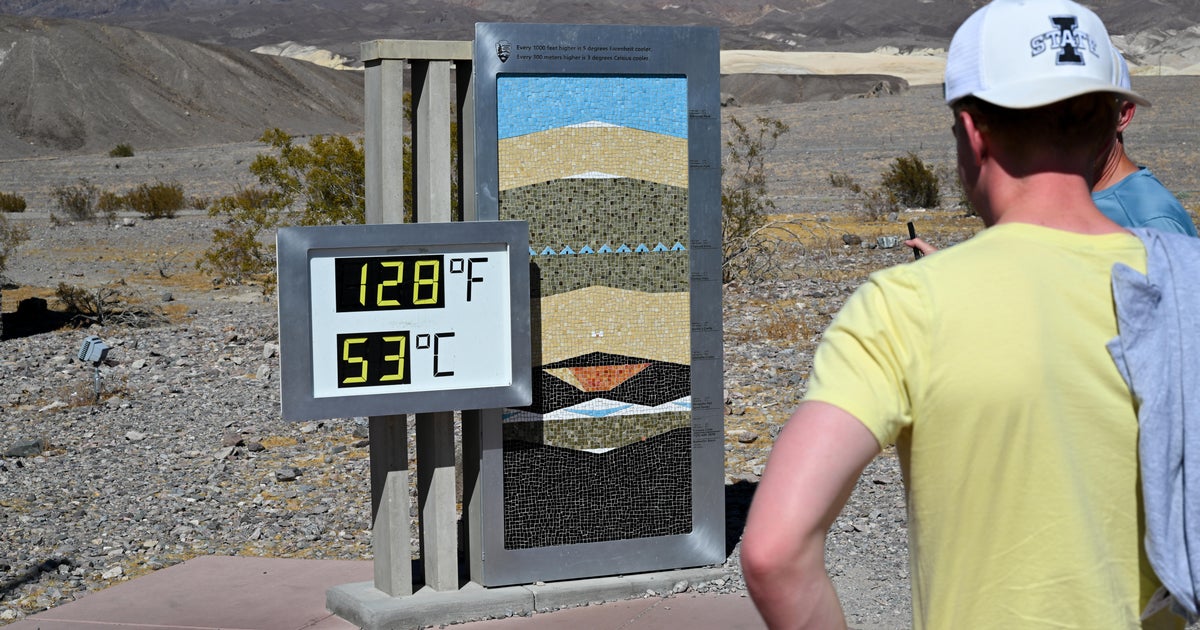
The heat was concentrated in the interior West. Locations across Idaho, Utah, Wyoming and Montana set all-time high temperature records — not merely records for July, but the hottest readings ever measured at those sites in any month. Salt Lake City hit 109 degrees on July 12, an all-time high for the city.
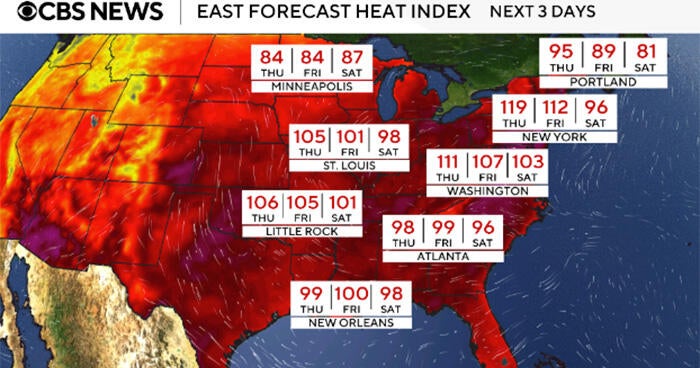
In the East, the story was scale rather than extremity. A heat wave that began in the first days of the month placed more than 185 million people under heat alerts at its peak, stretching from Boston through New York, Philadelphia and Washington. The capital canceled its Independence Day parade because of the conditions.
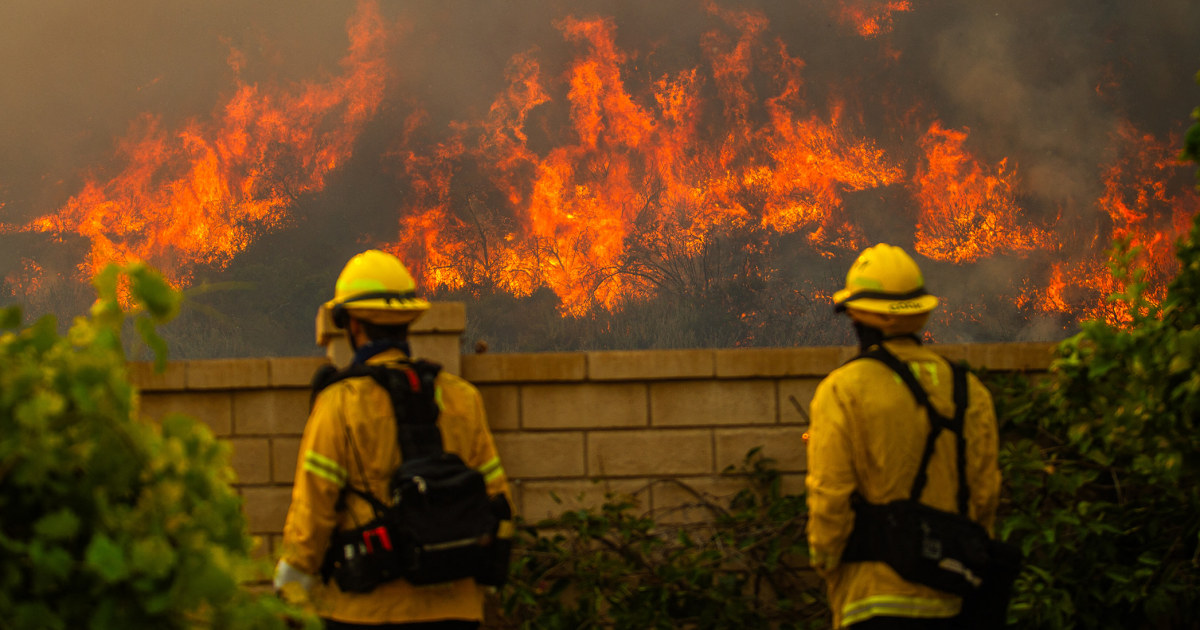
Drought compounded the heat. July was the third driest on record nationally, and as of August 4 roughly 48.5% of the contiguous United States was in drought — close to half the country. Dry soil is a heat amplifier: with little moisture left to evaporate, incoming sunlight goes into raising air temperature rather than into evaporating water, which is one mechanism behind the West's all-time records and behind a fire season that has kept dozens of large blazes burning simultaneously.
Globally, the picture was slightly less extreme. The World Meteorological Organization ranked July as the joint second-warmest July on record worldwide, and the agency warned that above-normal temperatures are expected across much of the planet over the next three months as El Niño conditions develop in the Pacific. El Niño typically nudges global average temperatures upward with a lag of several months, which means the warmth measured in July is unlikely to be the season's last data point of note.
A single hot month is weather, not climate. What makes NOAA's July stand out is where it falls in the sequence: the 1936 record was set in a decade of exceptional agricultural drought and has been approached repeatedly in the last fifteen years, while the overnight-low record has now been broken twice in five summers. The distribution of American summers has been shifting toward the warm end, and July 2026 is the month that finally moved the ceiling.