A 'Heat Dome' Bakes Half the U.S., Threatening the Hottest July Fourth on Record
More than half the country is trapped under dangerous heat through the holiday weekend, with sweltering nights leaving little relief and forecasters warning of record-breaking temperatures.
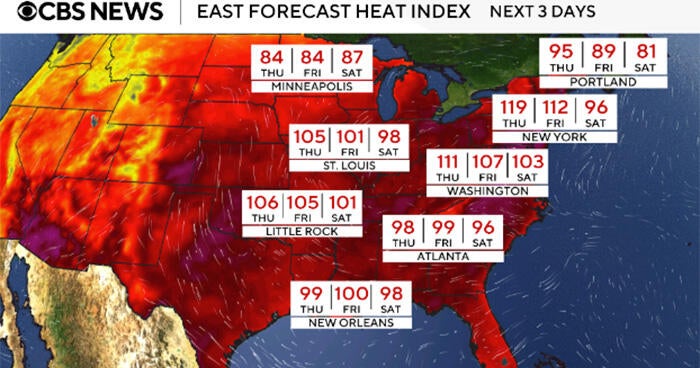
A sprawling "heat dome" has settled over much of the United States, trapping more than half the country under dangerous temperatures and threatening to make this the hottest Fourth of July on record for millions of Americans. Forecasters warned that the oppressive heat would persist through the holiday weekend, raising the risk of heat-related illness at parades, cookouts and fireworks displays across the eastern and central states.
A heat dome forms when a strong ridge of high pressure parks over a region, acting like a lid that traps hot air near the surface and blocks cooler weather from moving in. The result is day after day of soaring temperatures with little chance for the atmosphere to reset. This week's dome stretched across a vast swath of the country, pushing daytime highs into record territory in numerous cities and prompting a wave of heat advisories and excessive-heat warnings.
Meteorologists emphasized that the danger was not confined to the afternoon. Overnight temperatures have stayed unusually warm, denying the human body the cool-down period it normally relies on to recover. When nights fail to bring relief, the physiological stress of extreme heat compounds, and the risk of heat exhaustion and heat stroke climbs — particularly for older adults, young children, outdoor workers and people without air conditioning.
Public-health officials urged residents to take precautions: stay hydrated, limit strenuous activity during the hottest hours, check on vulnerable neighbors and relatives, and never leave children or pets in parked cars. Many cities opened cooling centers and extended hours at public pools and libraries, while utilities braced for a surge in electricity demand as air conditioners ran around the clock, raising the specter of localized strain on the grid.
Scientists have long warned that human-caused climate change is making heat waves more frequent, more intense and longer-lasting, and events that once seemed exceptional are increasingly the summer norm. The timing of this heat dome, coinciding with one of the busiest travel and celebration weekends of the year, magnified its impact, forcing organizers of Independence Day events to weigh schedule changes, add water stations and, in some places, consider postponements. Forecasters said the ridge showed few signs of breaking down quickly, meaning the heat — and the health risks that come with it — could linger well past the holiday.
Transportation officials warned that the heat could also strain infrastructure, buckling roads and stressing rail lines as metal expands under the relentless sun, while airlines cautioned that extreme temperatures can affect flight operations. Farmers across the affected region kept a wary eye on crops and livestock, and emergency managers reminded the public that heat is consistently one of the deadliest weather hazards in the United States, killing more Americans in a typical year than hurricanes, tornadoes or floods. The combination of record heat, holiday crowds and heavy travel, officials said, made vigilance especially important through the long weekend.