San Juan Just Started Shutting Off Water for 48 Hours at a Time. The Utility Loses 65% of What It Produces
More than 180,000 accounts across San Juan and six neighboring municipalities entered rationing Friday after Puerto Rico's driest July in more than 120 years.
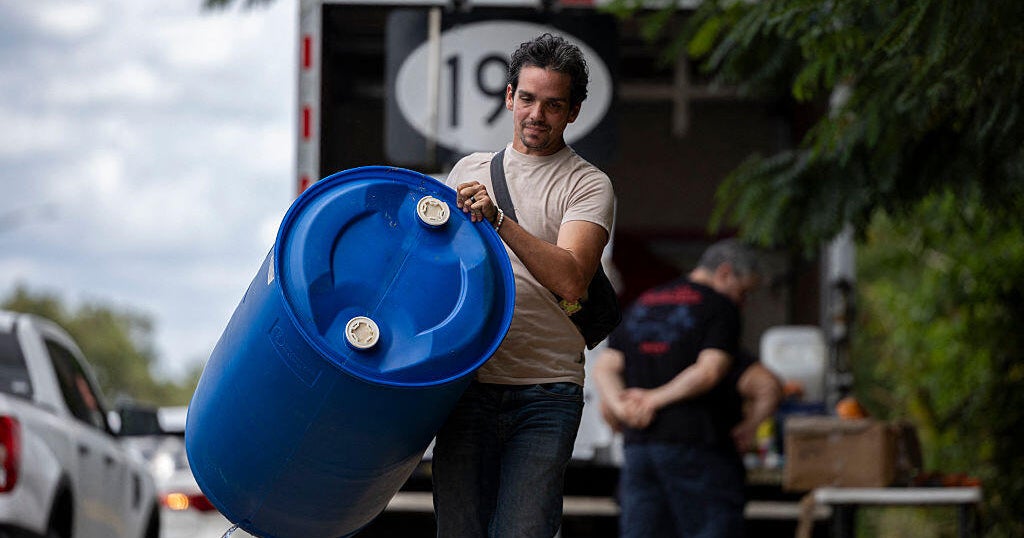
Water rationing began Friday across San Juan and six surrounding municipalities, affecting more than 180,000 customer accounts, after the driest July in San Juan in more than 120 years left Puerto Rico's reservoirs badly depleted.
Under the schedule, residents are split into two groups that alternate 48-hour shutoffs, with officials warning the intervals could be stretched to 72 hours if conditions do not improve. July was also San Juan's second-hottest month on record, a combination of heat and absent rainfall that drained supplies faster than the system could refill them. The U.S. Drought Monitor places 36% of Puerto Rico in severe drought, with another 32% in moderate drought.
The weather is the trigger, but it is not the whole explanation. Puerto Rico's water authority loses roughly 65% of the water it produces to leaks and failures in aging pipes — a figure that reflects decades of deferred maintenance and underinvestment, and one that means the island must treat and pump close to three gallons for every gallon that reaches a tap. Governor Jenniffer González has acknowledged years of neglect of the system while attributing the immediate emergency to the drought.
For residents, the rationing formalizes a problem many have been living with for months. Communities documented at least 118 days of repeated outages before the official schedule took effect, meaning taps had already been running dry unpredictably. "It's brutal. It's unbelievable to live through this today," one San Juan resident said. The burden falls unevenly: lower-income households are buying bottled water at retail prices to cover the gaps, and elderly residents in walk-up buildings, where rooftop cisterns depend on electric pumps, are relying on neighbors to carry water up.
There is no fast way out. Meteorologist Ada Monzon said the island would need multiple tropical systems to pass through, followed by a wet winter, before reservoir levels recover — a timeline measured in seasons rather than weeks. Atlantic hurricane season runs through November, which introduces the uncomfortable arithmetic that the most likely source of drought relief for Puerto Rico is also the most likely source of catastrophic damage to the same infrastructure now being rationed.
The rationing arrives with the island's grid and water systems still incompletely rebuilt from Hurricane Maria in 2017 and Hurricane Fiona in 2022, and with federal reconstruction money moving slowly through a permitting and contracting process that has drawn repeated criticism from local officials. The immediate ask from the water authority is conservation: filling containers during on-cycles, deferring non-essential use, and reporting visible leaks — which, given that two of every three gallons never arrive, is where the largest single loss in the system still sits.