Judge Approves Bayer's $7.25 Billion Roundup Cancer Settlement
A Missouri court gave final approval to a nationwide deal for people who say the weed-killer caused non-Hodgkin lymphoma, with payouts from $10,000 to $165,000.
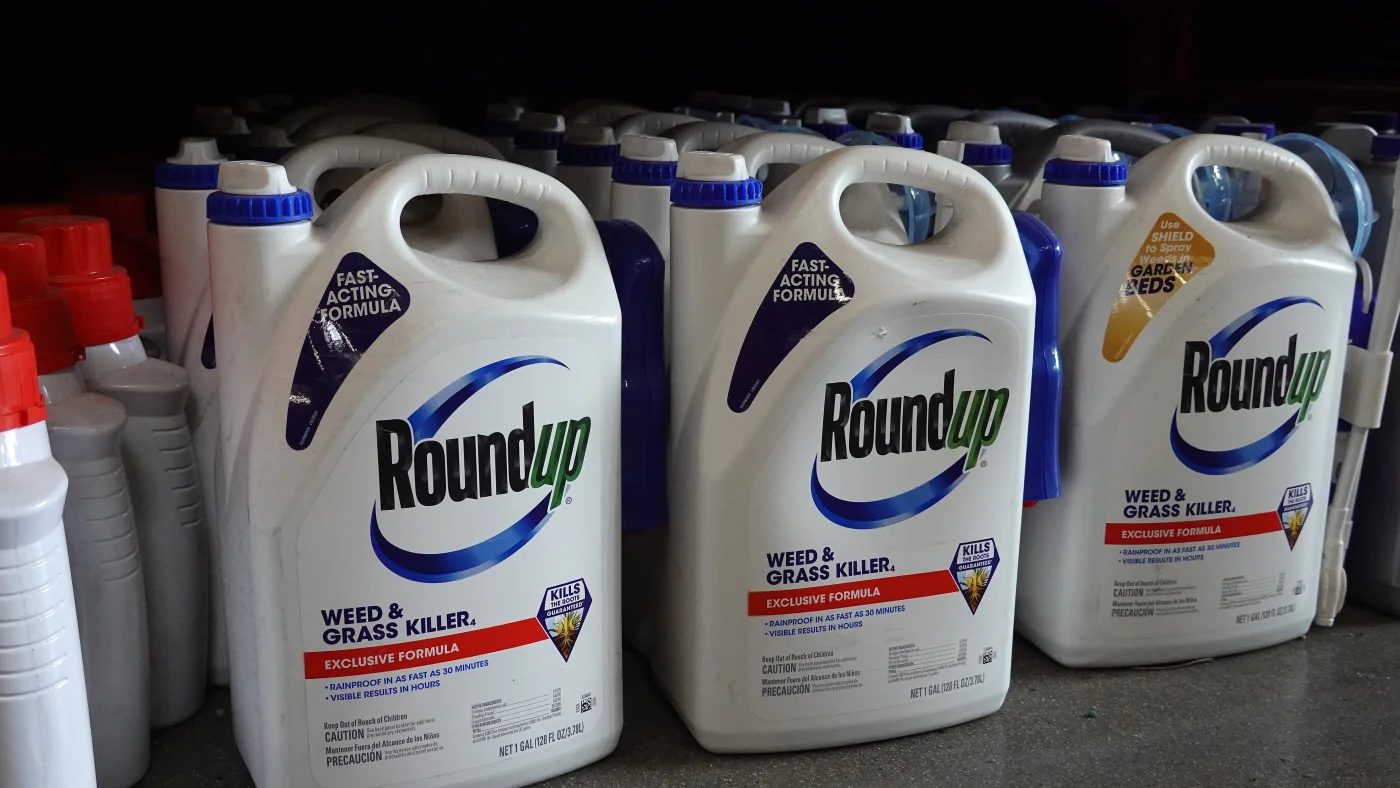
Bayer has agreed to pay billions of dollars to people who sued the company claiming its Roundup weed-killer caused their cancer, after a Missouri judge gave final approval on Friday to a nationwide class settlement that could cost the company up to $7.25 billion over the coming years.
The money will go to thousands of people who have been or will be diagnosed with non-Hodgkin lymphoma, a blood cancer that plaintiffs link to glyphosate, the main ingredient in Roundup. Under the settlement, approved in circuit court, people affected could receive anywhere from $10,000 to $165,000. The amount depends on factors such as whether work in agriculture or other occupations exposed them to higher levels of glyphosate and the age at which they were diagnosed.
Judge Timothy Boyer said the deal was "among the largest in the history of mass tort personal-injury class action settlements." Bayer CEO Bill Anderson called it a "decisive milestone" that will "mitigate the risks" of pending and future litigation. Christopher Seeger, the attorney representing the plaintiffs, said in a statement that the final approval order "delivers guaranteed compensation to Roundup cancer victims who have waited more than a decade for justice."
The agreement comes on top of an earlier settlement in which Bayer, the German company that now owns Monsanto, agreed to pay roughly $10 billion to $11 billion to resolve more than 100,000 Roundup claims. It also follows a legal win for the company earlier this year, when the U.S. Supreme Court ruled in Bayer's favor and found that it could be shielded from lawsuits in state courts over claims that it failed to warn consumers about cancer risks tied to glyphosate.
The science remains contested. More than a decade ago, the World Health Organization's cancer agency concluded that glyphosate is probably carcinogenic to humans, and prominent environmental health scientists have repeated those concerns as recently as this year. Bayer has steadfastly denied that its product causes cancer. The Environmental Protection Agency has concluded that it "did not identify risks of concern from glyphosate uses, including for cancer," though the agency is conducting a new review of the evidence on human health after pressure from advocates and some scientists.
The issue has a political edge. Concerns about glyphosate have been an animating cause for supporters of Health Secretary Robert F. Kennedy Jr. and his Make America Healthy Again agenda. The Trump administration, however, has sided with Bayer, backing the company in the Supreme Court case and issuing an executive order to promote domestic production of glyphosate.
Roundup remains the most widely used weed-killer in the world. Several years ago Bayer removed glyphosate from its U.S. products for residential use, but the chemical is still widely used in agriculture.