Iranian Negotiators Return to Pakistan as Trump Weighs Truce Talks
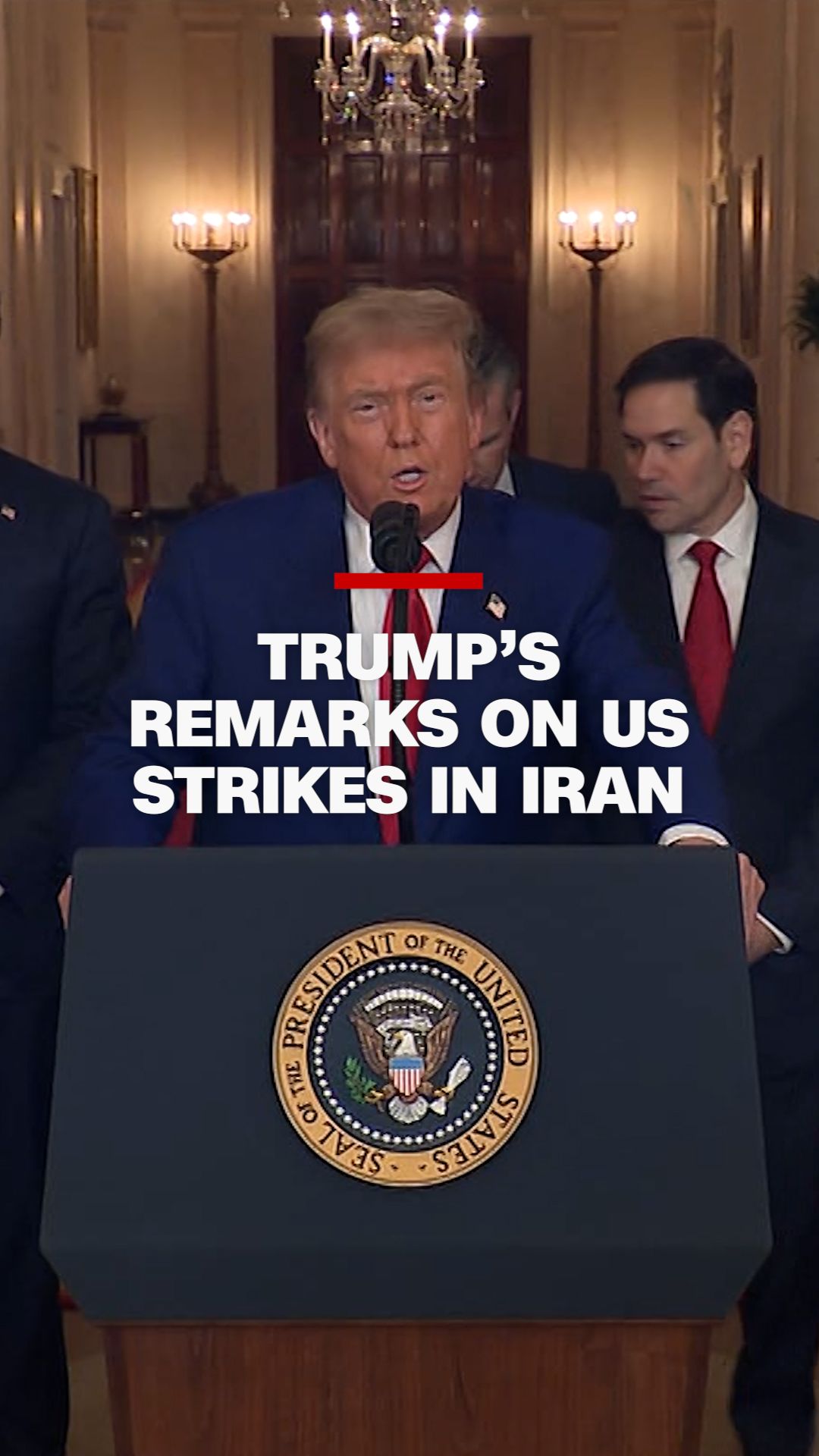
Diplomatic uncertainty surrounds potential peace discussions after Trump abruptly canceled top advisers' trip to Pakistani negotiations on Saturday.

Iranian negotiators are preparing to return to Pakistan for renewed truce talks as the costly war between the United States and Iran enters a critical diplomatic phase. The development comes amid uncertainty about whether President Trump will send his own negotiation team after abruptly calling off a trip by his top advisers on Saturday, leaving the future of peace discussions in limbo. The Pakistani-hosted talks represent a potentially crucial opportunity to end a conflict that has cost the United States nearly $1 billion per day while rapidly depleting American weapons stockpiles.
The Iranian decision to return to the negotiating table follows weeks of escalating military costs and international pressure to find a diplomatic solution. Pakistan has emerged as a key mediator in the conflict, offering neutral ground for discussions between the warring parties. However, Trump's last-minute cancellation of his advisers' participation has created diplomatic confusion about American commitment to the peace process. The sudden reversal has left Pakistani officials and Iranian negotiators uncertain about the timeline and structure for potential talks.
The timing of these diplomatic maneuvers coincides with mounting concerns about the sustainability of American military operations in Iran. Pentagon officials have raised alarms about weapons shortages and the unprecedented daily costs of maintaining intensive combat operations. The financial and logistical pressures have created additional urgency for finding a negotiated settlement that could allow both sides to step back from the increasingly expensive confrontation.
Iranian officials have indicated their willingness to engage in serious discussions, though they have also maintained that the Strait of Hormuz remains closed as leverage in any potential negotiations. This strategic chokepoint for global oil shipments continues to be a major point of contention that could significantly impact any peace agreement. The closure has contributed to global oil price volatility and added economic pressure on multiple fronnations dependent on Middle Eastern energy exports.
The Pakistani-mediated talks face significant challenges beyond Trump's hesitancy to commit his negotiating team. Both sides have invested heavily in the conflict and face domestic political pressures that could complicate any potential compromise. Iranian leaders must balance their negotiating position with hardline elements within their government, while Trump faces questions about the strategic wisdom of the costly military engagement. The success or failure of these renewed diplomatic efforts could determine whether the expensive war continues to drain American resources or transitions toward a negotiated resolution.