Trump Hosts Israeli and Lebanese Officials as Iran War Peace Talks Move to White House
Negotiations relocated from State Department to Oval Office as fighting between Israel and Hezbollah threatens broader peace agreement in ongoing Iran conflict.
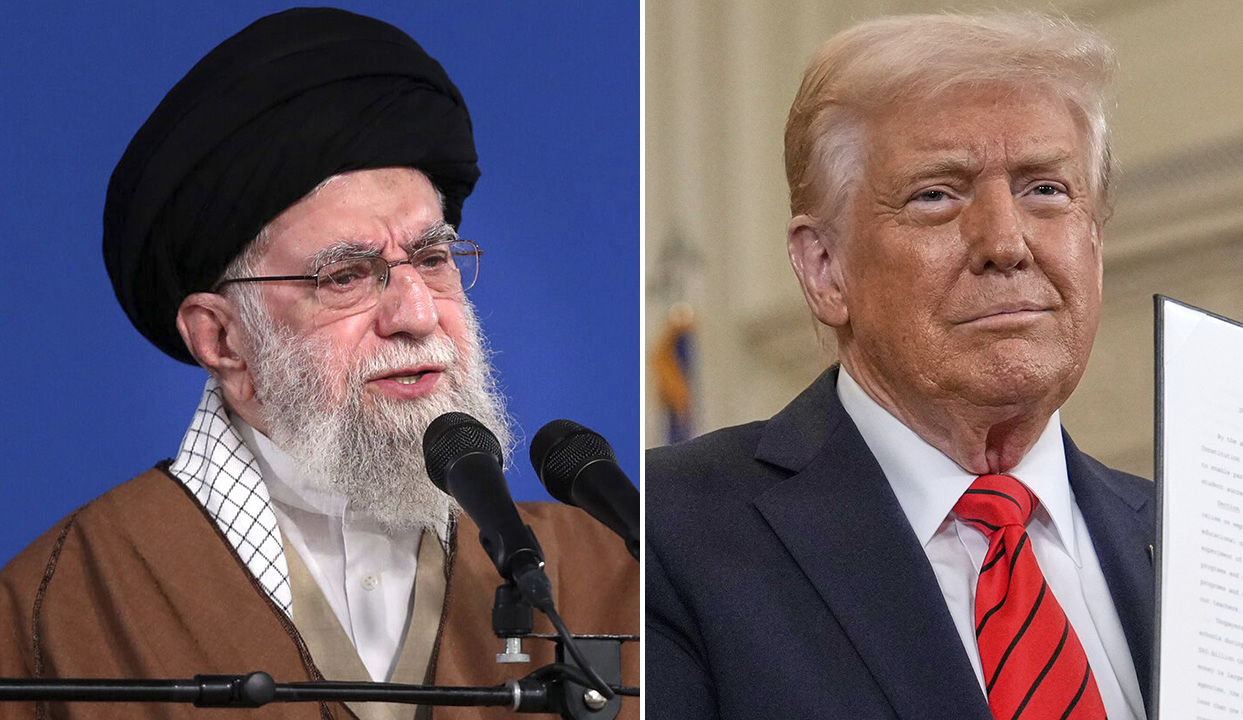
President Trump has elevated diplomatic efforts to resolve the Iran conflict by personally hosting Israeli and Lebanese officials at the White House, marking a significant escalation in American involvement in the peace process. The talks, originally scheduled to take place at the State Department, were moved to the White House at Trump's directive, signaling the administration's recognition that the conflict requires the highest levels of presidential attention. The relocation of these sensitive negotiations to the Oval Office demonstrates Trump's personal investment in achieving a comprehensive peace agreement that could reshape Middle Eastern geopolitics and cement his foreign policy legacy.
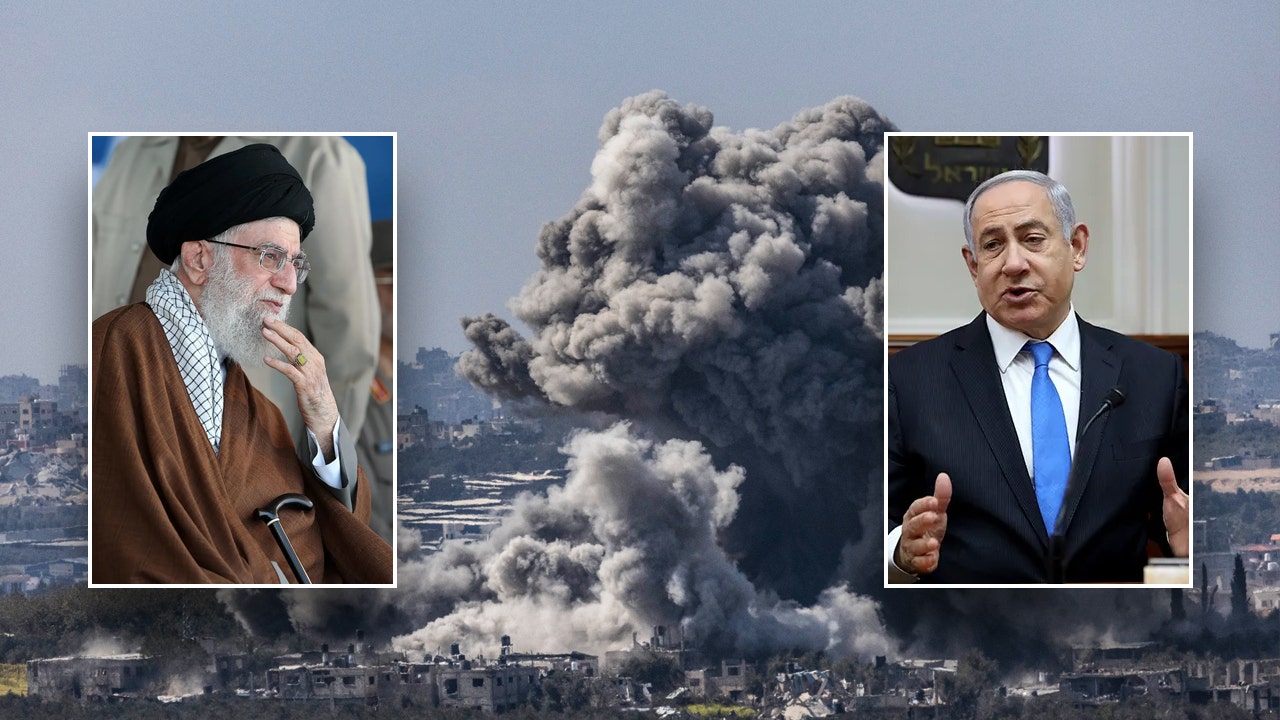
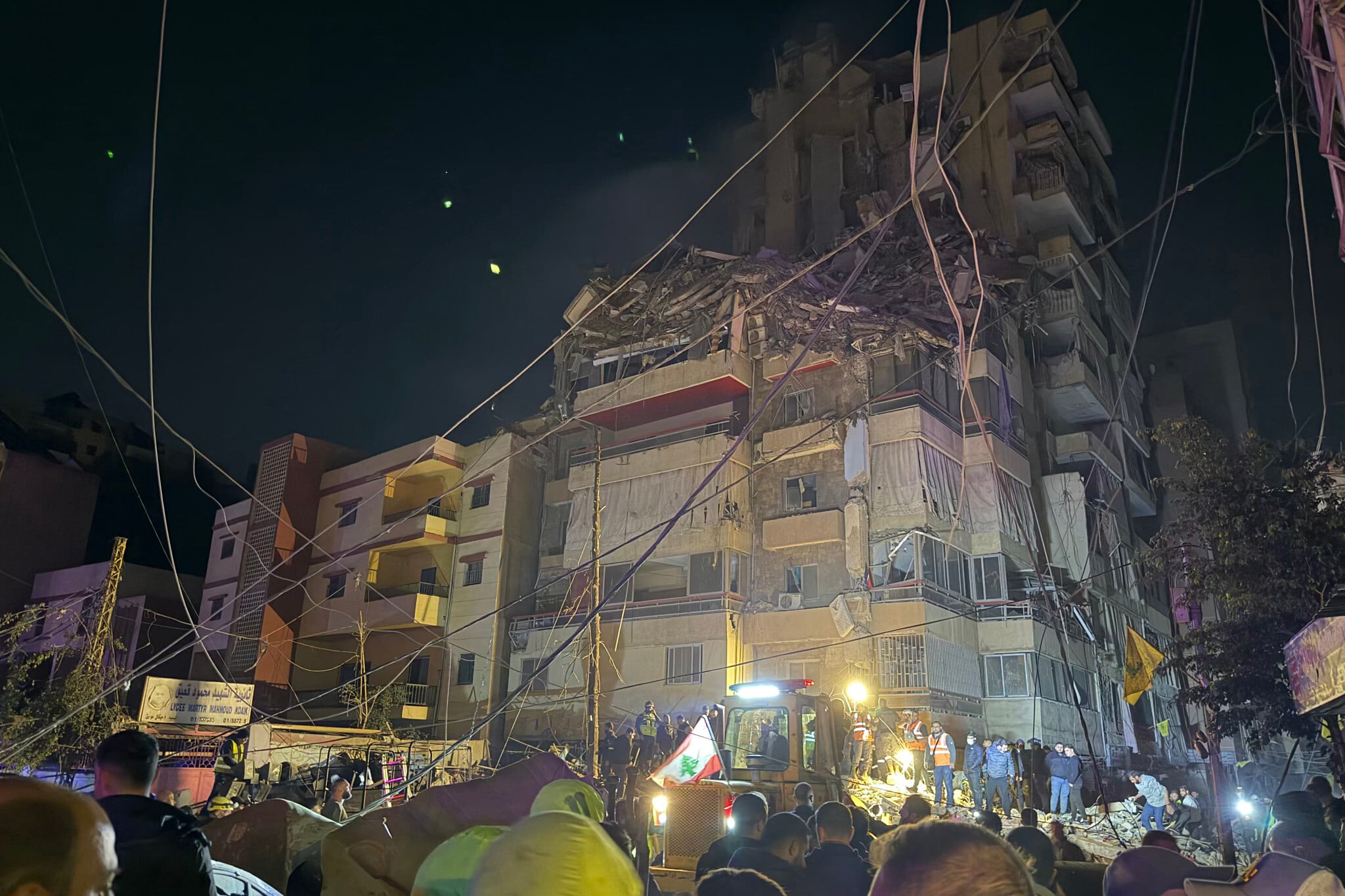
The timing of these talks comes as the fragile cease-fire between Israel and Hezbollah faces increasing strain, with sporadic fighting threatening to undermine months of diplomatic progress. The Lebanese-Israeli border, which had seen relative calm following the cease-fire agreement, has experienced renewed tensions that could potentially escalate into full-scale conflict if not properly managed. Both Israeli and Lebanese officials have expressed concerns that the current cease-fire arrangements are insufficient to address underlying security concerns, particularly regarding Hezbollah's military capabilities and presence in southern Lebanon.
The broader context of the Iran war adds complexity to the bilateral Israeli-Lebanese discussions, as any peace agreement must account for Iran's influence over Hezbollah and other regional proxy forces. Trump administration officials have been working to craft a comprehensive framework that addresses not only the immediate cease-fire violations but also the long-term security arrangements needed to prevent future conflicts. The involvement of Lebanese officials in direct talks with Israeli counterparts represents a diplomatic breakthrough, as such high-level meetings have been extremely rare given the technical state of war that has existed between the two countries for decades.
Sources familiar with the negotiations indicate that the talks are focusing on several key issues, including the withdrawal of Hezbollah forces from the Lebanese-Israeli border, the deployment of Lebanese Armed Forces to southern Lebanon, and international monitoring mechanisms to ensure compliance with any agreement. The United States has reportedly offered significant economic incentives to Lebanon in exchange for taking greater control over its southern territory and limiting Hezbollah's military activities. These incentives could include reconstruction aid, military assistance to the Lebanese Armed Forces, and support for economic reforms needed to address Lebanon's ongoing financial crisis.
The success or failure of these White House talks could have far-reaching implications for the broader Iran conflict and regional stability. A breakthrough in Israeli-Lebanese relations could potentially isolate Iran and weaken its network of regional allies, while failure could lead to an escalation that draws the United States deeper into Middle Eastern conflicts. Trump's personal involvement in the negotiations reflects his administration's belief that resolving the Israeli-Lebanese component of the Iran war is essential to achieving a broader peace settlement that has thus far remained elusive despite months of international diplomatic efforts.