Israel Authorizes Direct Peace Talks With Lebanon as Airstrikes Kill 300 in Single Day
Netanyahu agrees to State Department negotiations next week to discuss disarming Hezbollah — even as Israeli jets struck more than 100 targets in 10 minutes on Wednesday.
Israeli Prime Minister Benjamin Netanyahu announced Thursday that Israel has authorized direct peace negotiations with Lebanon, a dramatic diplomatic shift that came even as Israeli warplanes continued devastating strikes across Lebanese territory. The announcement, made at Trump's personal request, marks the first time Israel has agreed to negotiate directly with Beirut rather than through intermediaries, and sets the stage for formal talks expected to begin next week at the U.S. State Department in Washington.
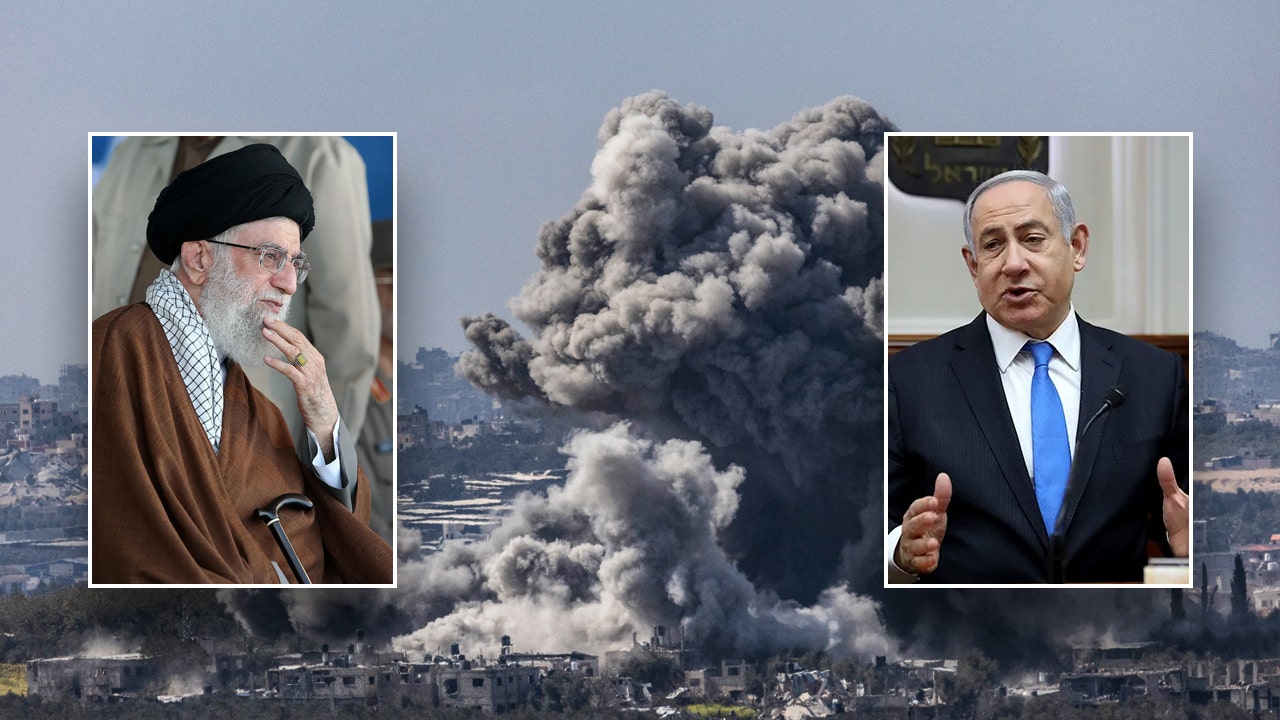
"Following repeated requests from the Lebanese government to open peace negotiations with us, last night I instructed the Cabinet to begin direct negotiations with Lebanon to achieve two goals: First, the disarming of Hezbollah. Second, a historic, sustainable peace agreement between Israel and Lebanon," Netanyahu said. The two-track approach — diplomatic engagement and simultaneous military operations — has drawn sharp criticism from Lebanese officials and international observers who question how meaningful negotiations can proceed while airstrikes kill hundreds of civilians.
The talks are expected to be handled on the American side by U.S. Ambassador to Lebanon Michel Issa, and on the Israeli side by Israeli Ambassador to the U.S. Yechiel Leiter. The State Department confirmed it will host a meeting next week, with negotiations opening at ambassadorial level on Tuesday. Lebanese President Joseph Aoun has called for a temporary ceasefire during talks, but Netanyahu's office made clear that military operations will continue — particularly in southern Lebanon where Hezbollah maintains extensive weapons infrastructure.
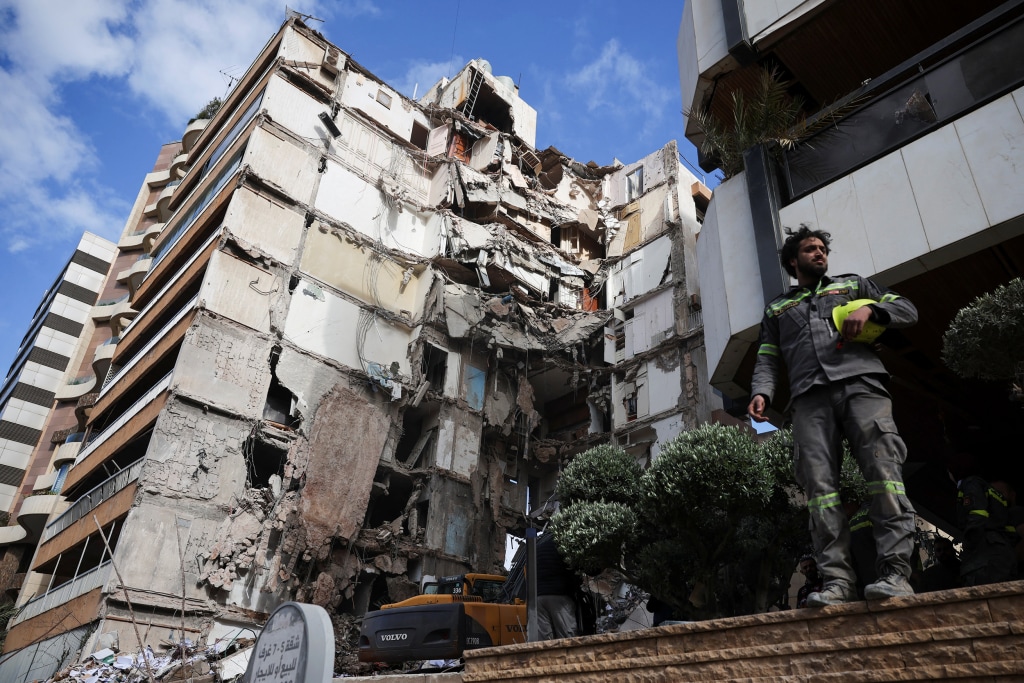
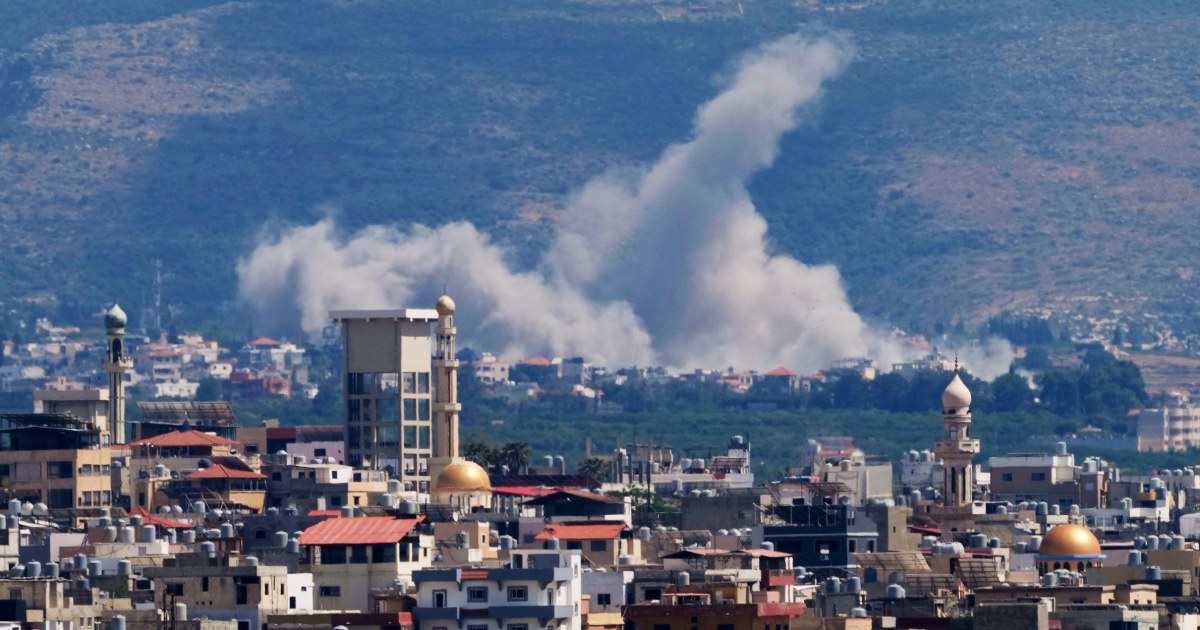
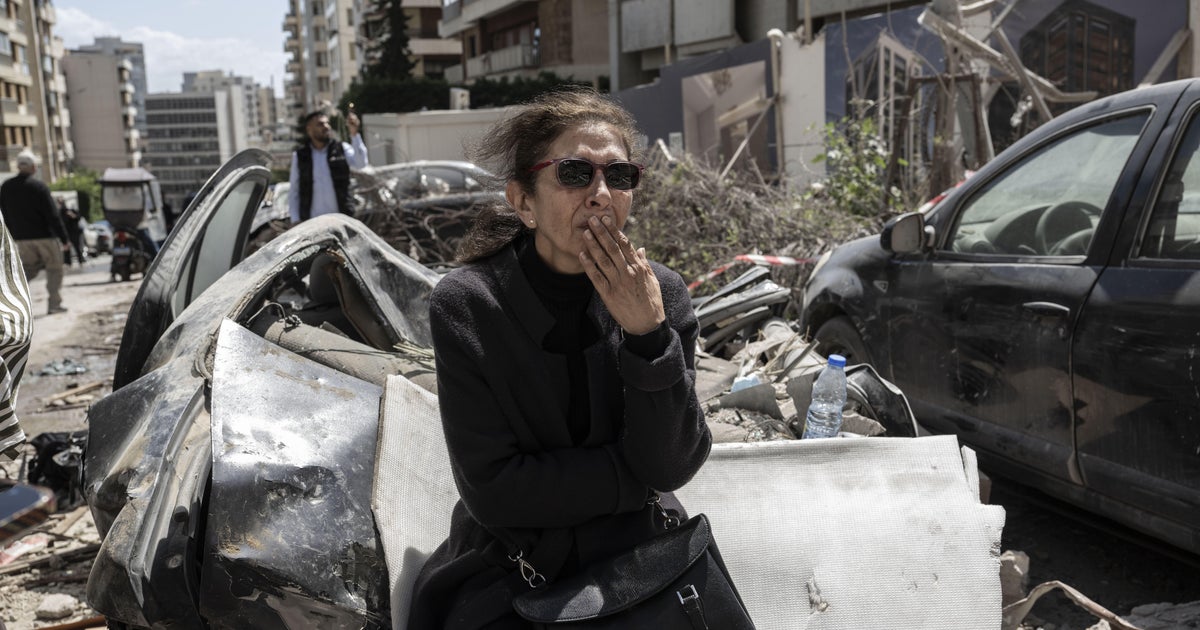
The death toll from Israeli airstrikes across Lebanon has surpassed 1,739 killed and 5,873 wounded since Israel's large-scale ground and air assault began on March 2, according to the Lebanese Health Ministry. On Wednesday alone — the day before Netanyahu's announcement — Israel struck more than 100 targets in 10 minutes, killing at least 303 people in what the Lebanese government called the single deadliest day of the conflict. Israeli Defense Minister Israel Katz claimed the strikes killed "200 terrorists" but Lebanese civil defense officials documented widespread destruction in residential neighborhoods, commercial districts, and Beirut's seafront Corniche al-Mazraa.
The decision to open Lebanon talks came as part of a broader, fragile diplomatic framework following the U.S.-Iran ceasefire announced Tuesday. Iran, Hezbollah's principal backer, insists that Lebanon is covered under the ceasefire terms and that continued Israeli strikes constitute a violation. Netanyahu and the White House have disputed that interpretation. Vice President JD Vance, asked about the contradiction, characterized it as a "legitimate misunderstanding" about agreement terms. Iran's Parliament Speaker Mohammad Bagher Ghalibaf warned that if attacks on Lebanon continued, they would make the broader peace process "meaningless."
For Lebanon, the prospect of direct talks with Israel after years of conflict and indirect communication represents both an opportunity and an existential question. Lebanese Prime Minister Nawaf Salam, who filed a formal complaint with the United Nations calling the strikes a "blatant violation" of international law, has insisted that any talks must be premised on a full cessation of hostilities. More than 1.2 million Lebanese have been displaced since Israel's military campaign intensified, with evacuation orders covering approximately 15 percent of Lebanese territory.
The path to the current diplomatic opening involved more than a year of covert contacts between Israeli and Lebanese officials, according to Israeli newspaper Israel Hayom. Those quiet channels, reportedly facilitated through European intermediaries, laid the groundwork for Netanyahu's public announcement. Whether direct talks can survive the immediate contradictions of Israel simultaneously bombing the country it says it wants peace with will be one of the defining questions of the coming days in Washington.