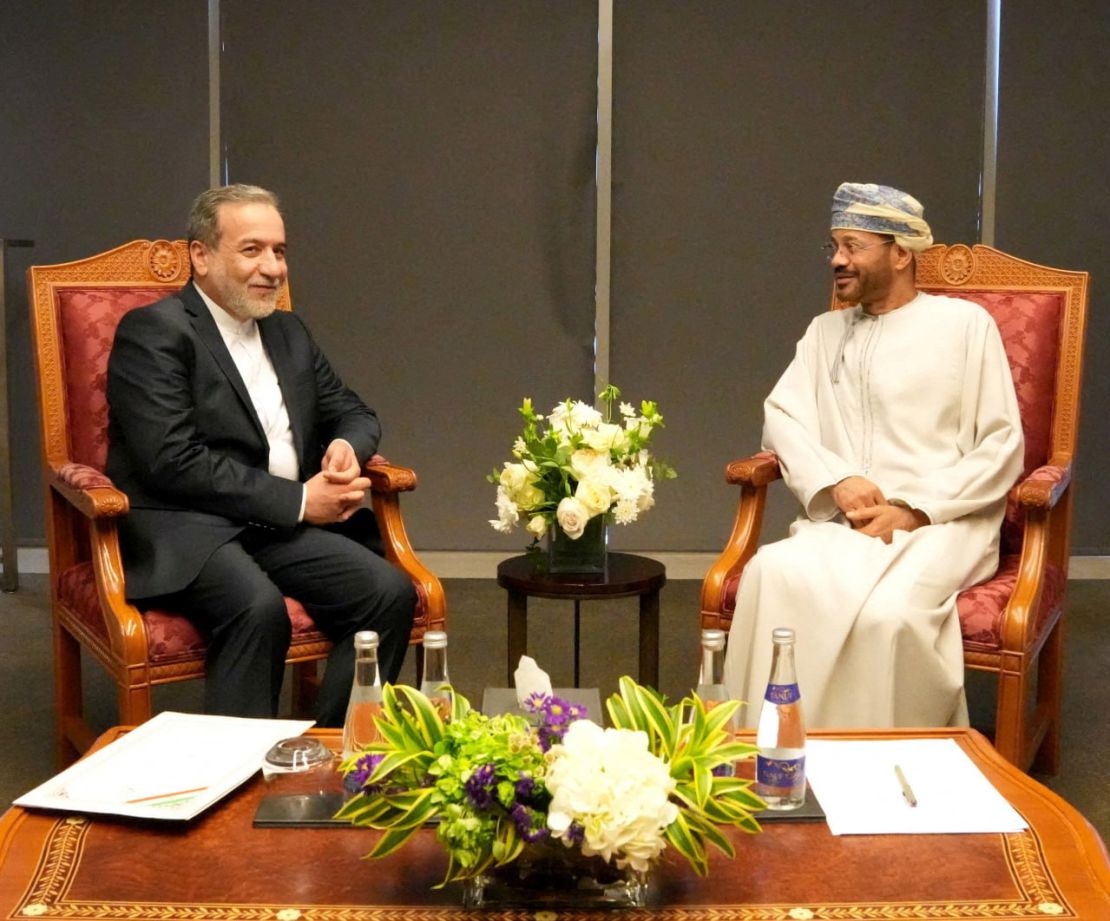
VP Vance Leads US Peace Delegation to Islamabad as Iran War Talks Begin
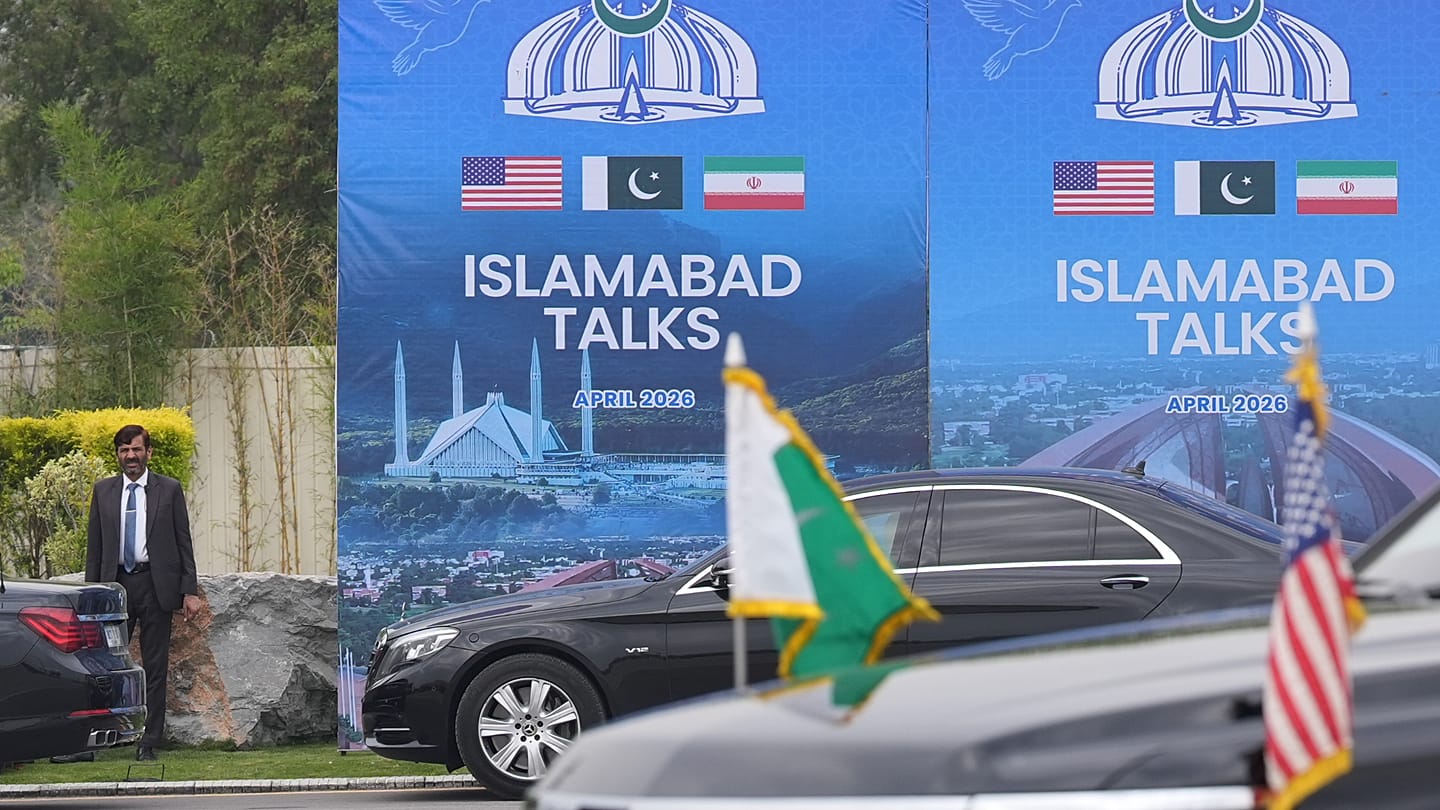
Vice President JD Vance arrived in Pakistan Saturday heading the first direct American-Iranian negotiations since Operation Epic Fury began, with the Strait of Hormuz still nearly closed and global oil markets on edge.
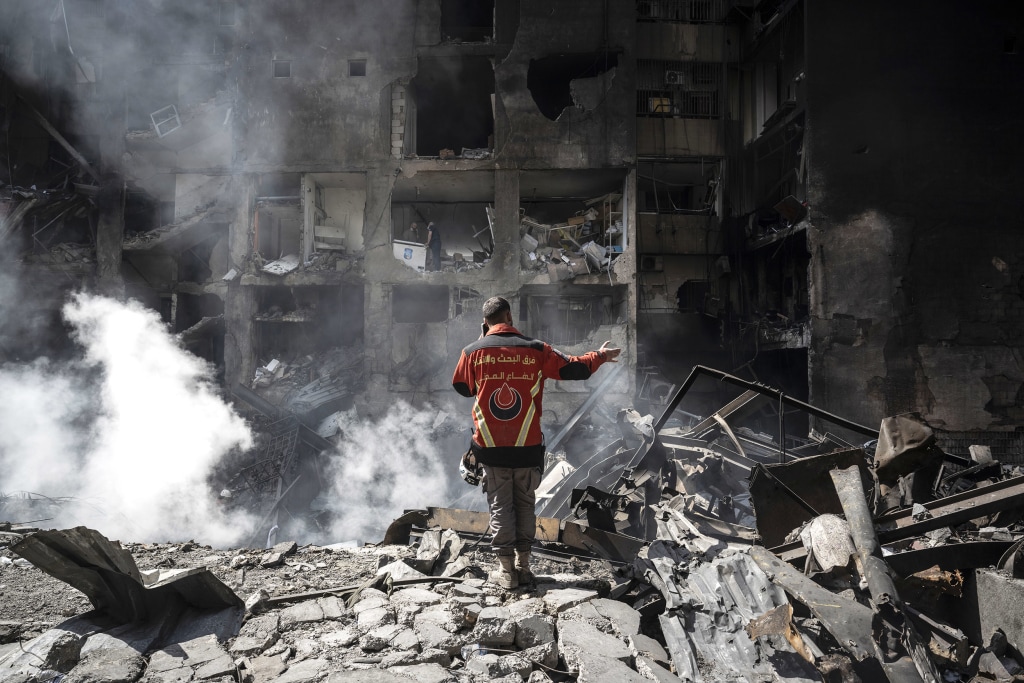
Vice President JD Vance landed in Islamabad, Pakistan on Saturday to lead the highest-level American diplomatic mission since the United States launched airstrikes against Iran on February 28, 2026. The delegation, which includes Special Envoy Steve Witkoff and White House Senior Adviser Jared Kushner, is seeking a permanent end to the conflict that has destabilized the Strait of Hormuz and sent global energy markets into turmoil.
The talks, brokered by Pakistan, represent the first direct face-to-face negotiations between American and Iranian officials since Operation Epic Fury began six weeks ago. Iran's delegation is led by Parliament Speaker Mohammad Bagher Ghalibaf and Foreign Minister Abbas Araghchi. Tehran arrived at the table with conditions — demanding a full ceasefire in Lebanon and the release of frozen Iranian assets before agreeing to substantive negotiations on reopening the Strait of Hormuz, through which roughly a fifth of the world's oil supply normally flows.
The economic stakes could not be higher. Only two ships transited the strait on April 10, compared to the pre-war average of 130 to 160 vessels per day. US crude oil prices dropped 13.4 percent in the past week — the steepest weekly decline since the war began — on optimism that a deal may be within reach. Treasury Secretary Scott Bessent and Federal Reserve Chair Jerome Powell met separately with Wall Street executives this week to manage growing concerns about a prolonged disruption to global oil supplies and its inflationary impact on the American economy.
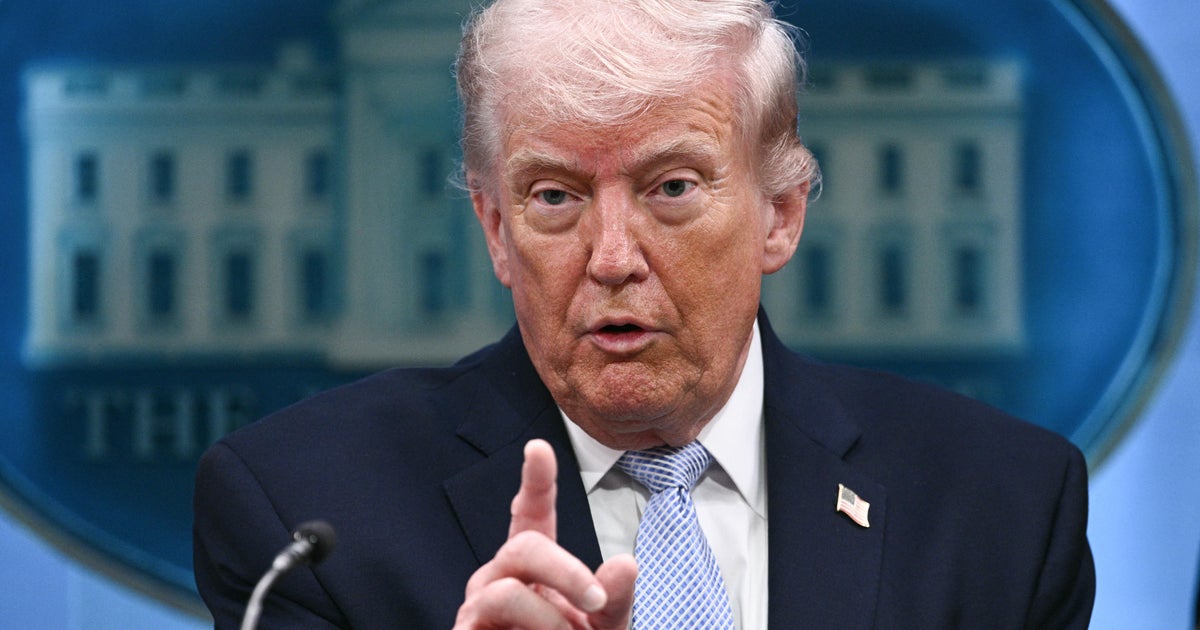
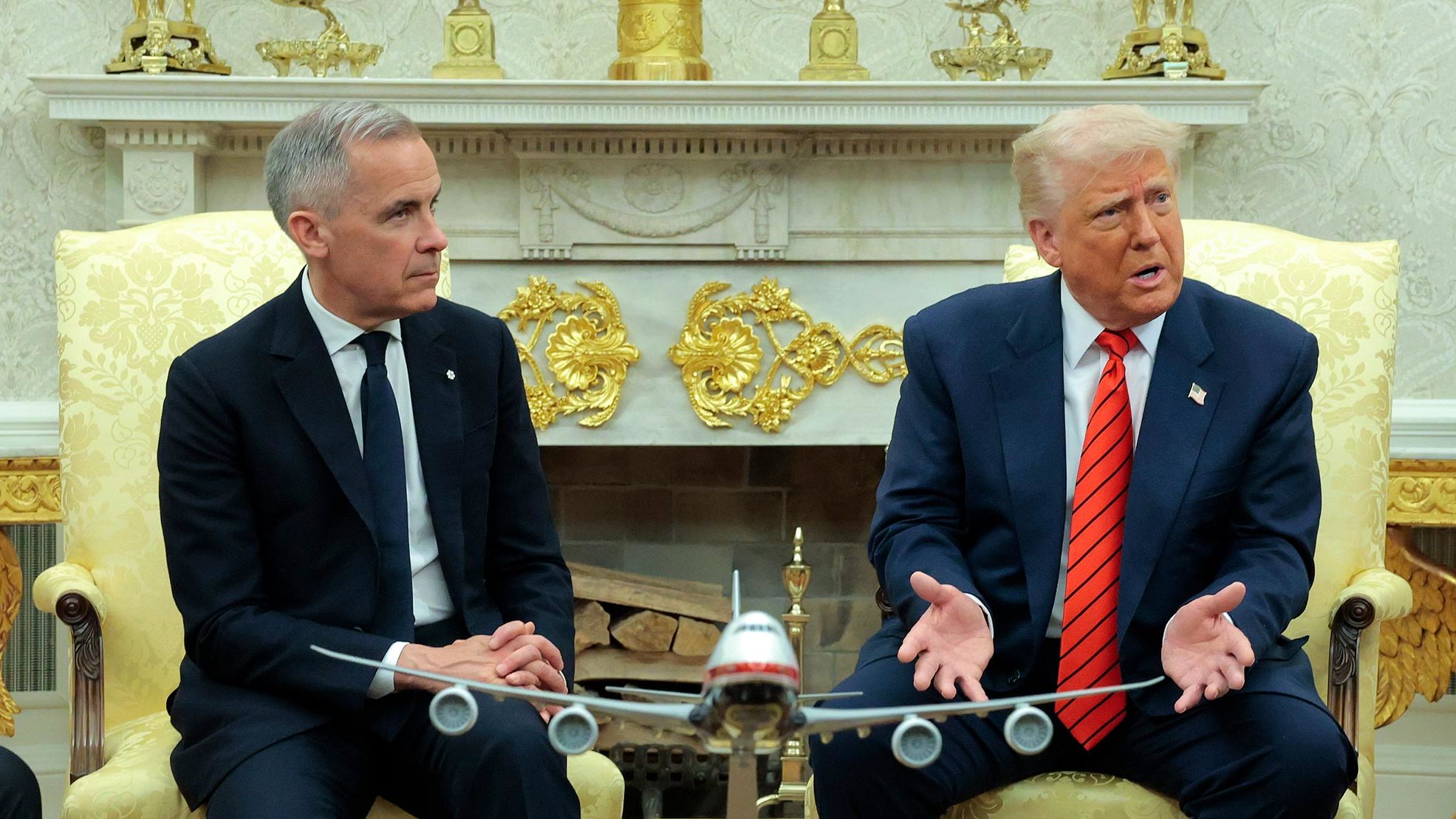
President Trump set the framework for the talks earlier this month when he announced a two-week ceasefire contingent on Iran beginning to allow safe passage through the Strait. Before departing Washington, Vance offered a blunt warning: 'Don't try to play the US in peace talks.' Trump himself was more expansive, telling reporters, 'Whatever — otherwise we'll reset. We're ready to go.' The posture reflects an administration that believes it holds leverage after weeks of sustained aerial strikes but is eager to declare a diplomatic win ahead of the summer.
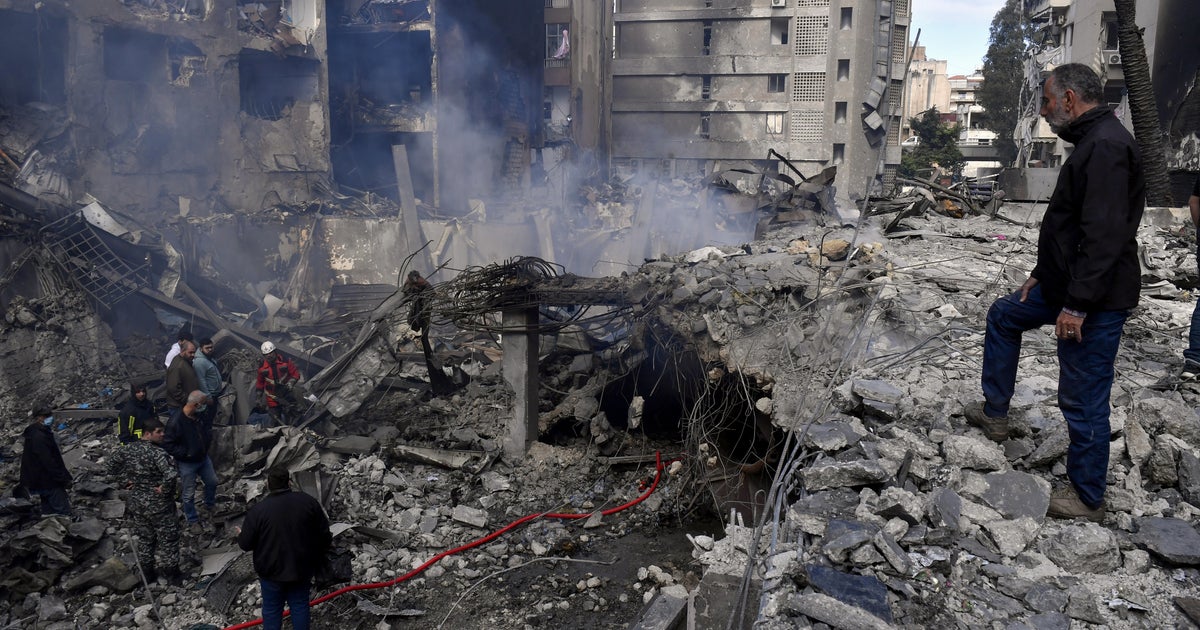
The Lebanon dimension complicates what might otherwise be a straightforward negotiation. More than 1,950 people have been killed in Lebanon since hostilities escalated, with 6,300 others wounded. A strike on Nabatieh last week killed 12 Lebanese security personnel, drawing sharp condemnation from European allies. Iran has made it clear that it will not discuss Strait of Hormuz access in isolation — any agreement must address the broader regional conflict. American officials have said they are willing to discuss Lebanon but want Hormuz reopened as a confidence-building measure before broader talks can begin. The gap between those two positions is the central challenge facing Vance and his team as the two-week ceasefire window runs down.