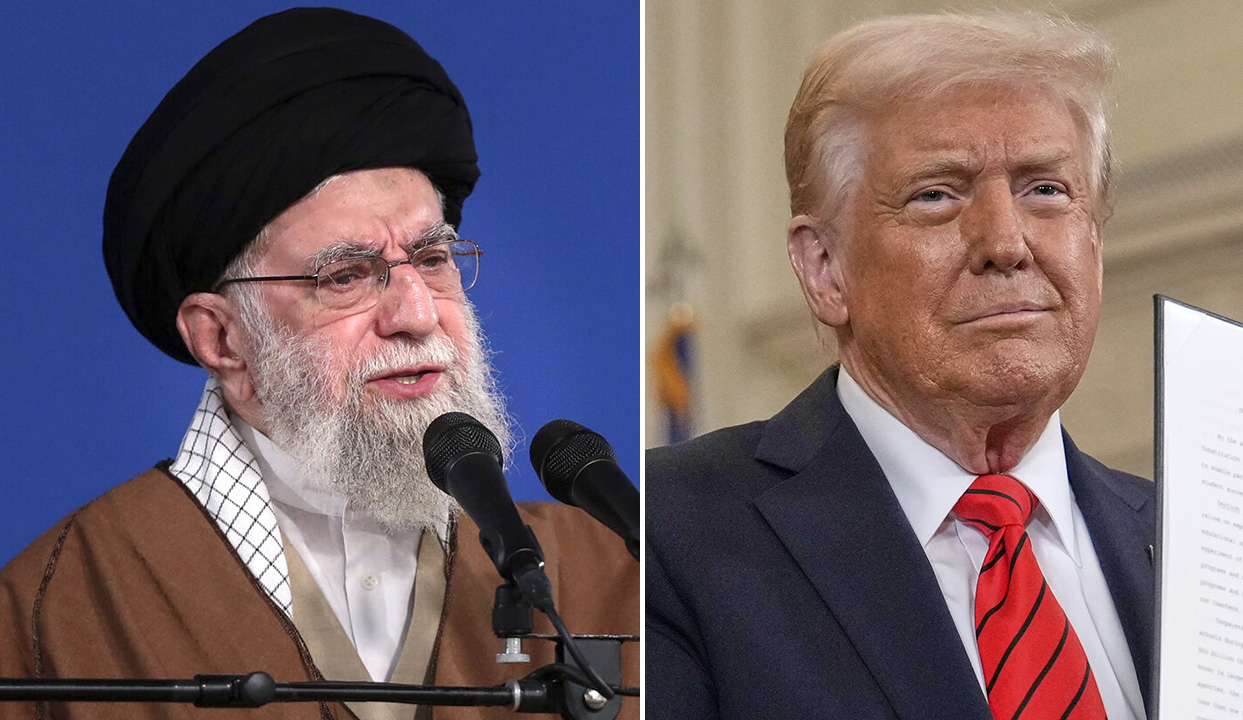
Iran Rejects U.S. 15-Point Peace Framework as Trump Extends Strike Pause to April 6, Keeping Diplomacy Alive
Tehran called special envoy Steve Witkoff's proposal an attempt to 'impose unconditional surrender under the guise of diplomacy' — but Trump's decision to delay strikes on Iranian oil infrastructure signaled neither side is ready to fully close the door.
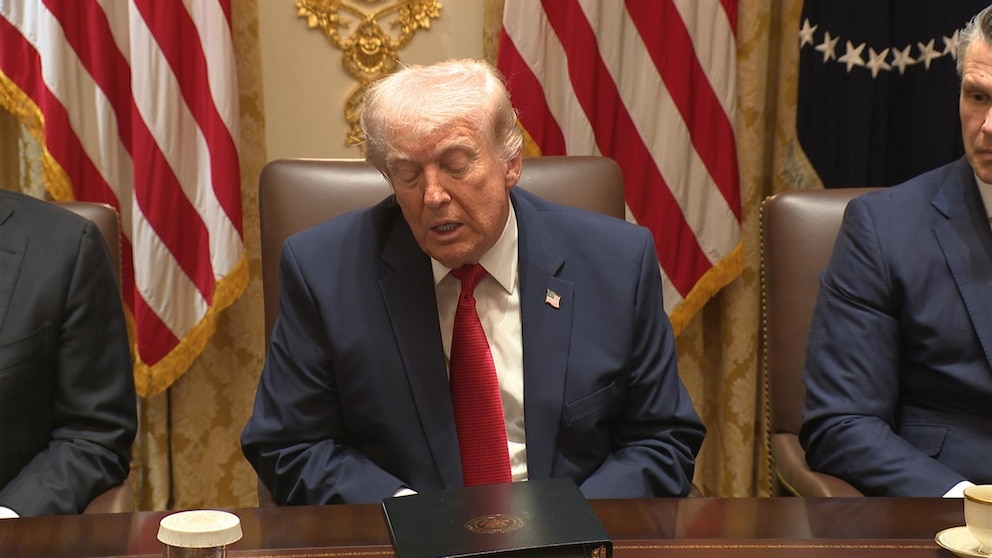
The United States and Iran remained locked in a military confrontation with no clear diplomatic resolution on Sunday, after Tehran rejected the 15-point peace framework presented by US special envoy Steve Witkoff, even as President Trump extended his pause on strikes against Iranian energy infrastructure to April 6 — a move analysts read as a signal that neither side is fully prepared to end the channel of communication that has quietly opened alongside the fighting.
The Witkoff framework, whose full text has not been officially released, reportedly called for a complete halt to Iranian uranium enrichment, the verifiable dismantlement of key nuclear facilities, a formal renunciation of financial and military support for the Houthis and Hezbollah, and Iranian recognition of the US right to enforce maritime security in the Strait of Hormuz. Iran's Supreme National Security Council reviewed the proposal and issued a statement through state media calling it 'an attempt to impose unconditional surrender under the guise of diplomacy.' Iranian Foreign Minister Abbas Araghchi said his country was 'not afraid of war and not afraid of negotiations' but would only engage on the basis of 'mutual respect' and an immediate halt to US and Israeli military operations. A senior Iranian official told Reuters the framework was 'not a serious negotiating document but a maximalist wish list.'
Trump extended the pause on energy infrastructure strikes — which he first imposed on March 21 to protect global oil supply and reduce pressure on allies dependent on Persian Gulf energy flows — via a post on Truth Social, writing only that 'Talks are ongoing' and that he would not target Iran's oil facilities 'for now.' Brent crude, which had risen above $140 per barrel following the partial Iranian blockade of the Strait of Hormuz, fell slightly on the announcement to approximately $135. In a separate diplomatic development worked out through Pakistani channels, Iran agreed to allow 20 ships per day to transit the Strait under Pakistani flag arrangements — a modest but notable step that maritime analysts said would relieve some pressure on Asian buyers dependent on Gulf crude.
The toll from the conflict continued to rise. US military officials confirmed 13 American service members had been killed since hostilities began on February 28, with 15 more wounded in the March 27 strike on Prince Sultan Air Base in Saudi Arabia. International health organizations compiled figures showing at least 1,750 people killed in Iran, including more than 217 children. In Lebanon, where Israeli airstrikes have continued in parallel with the Iran campaign, more than 1,189 people have died since March 2, including 124 children. The International Court of Justice issued an emergency order Saturday calling for an immediate ceasefire; both the United States and Israel declined to comply.
In Congress, Democratic senators preparing war powers resolutions for when the chamber returned from recess said the rejection of the Witkoff plan exposed the administration's failure to develop a coherent diplomatic track alongside its military operations. 'You cannot bomb your way to a peace deal,' said Senator Chris Murphy of Connecticut. 'We have been killing people for 29 days and we still do not know what winning looks like or what conditions we would accept to stop.' The White House said the administration was pursuing 'all available diplomatic channels' and that the situation remained 'dynamic.' Administration officials pointed to the energy strike pause and the Pakistani shipping arrangement as evidence of progress. Critics noted that both were unilateral and reversible moves that did not constitute a framework for ending the conflict.