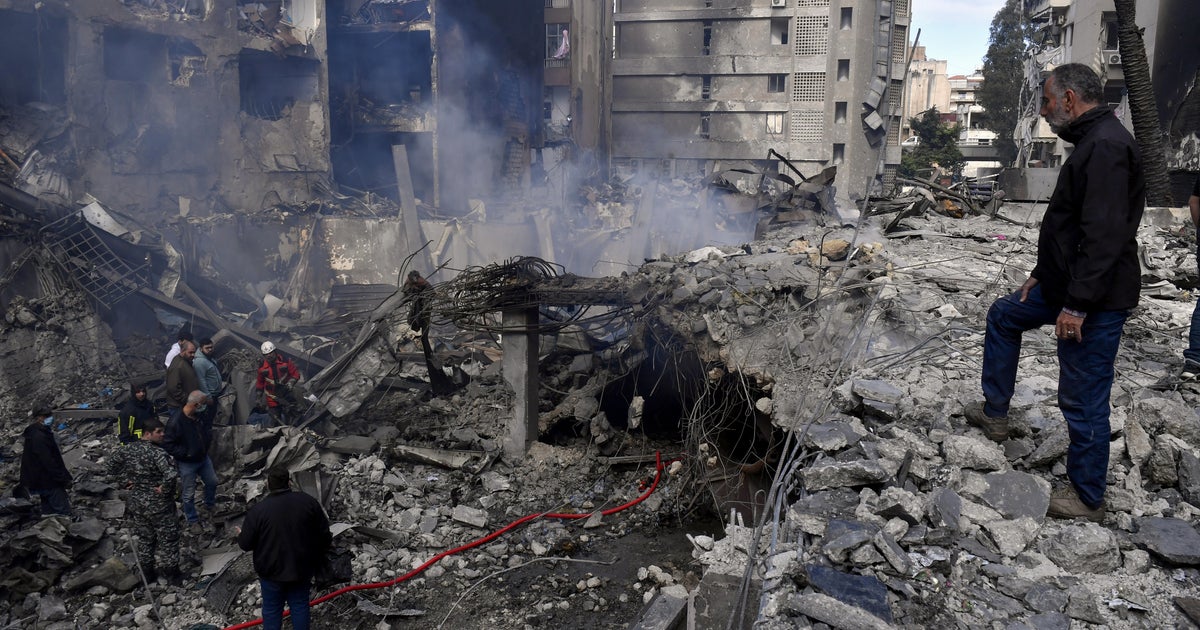
Vance Returns to Iran Peace Talks as His Political Standing Hangs in Balance
The vice president takes center stage again after abruptly leaving the first round of negotiations without reaching an agreement with Tehran.

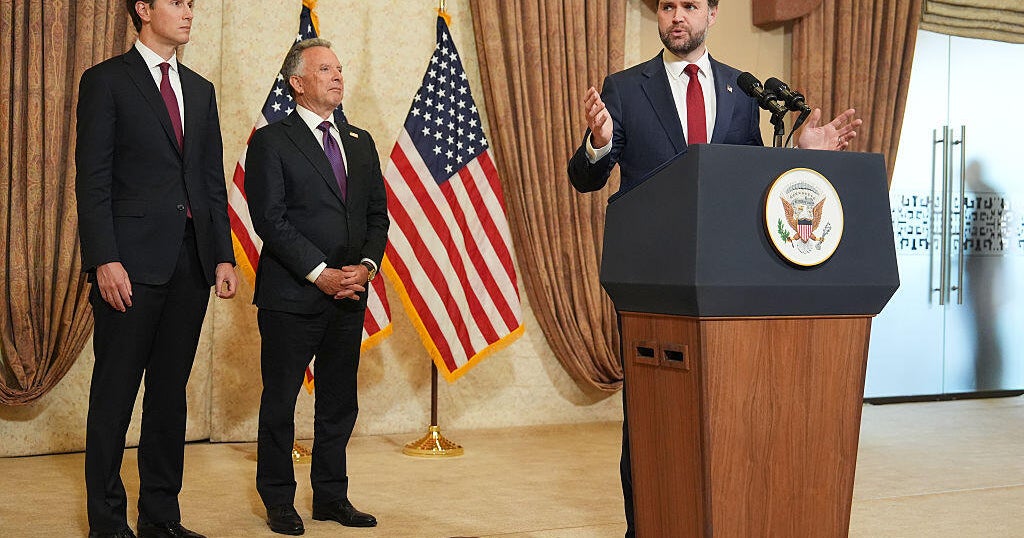
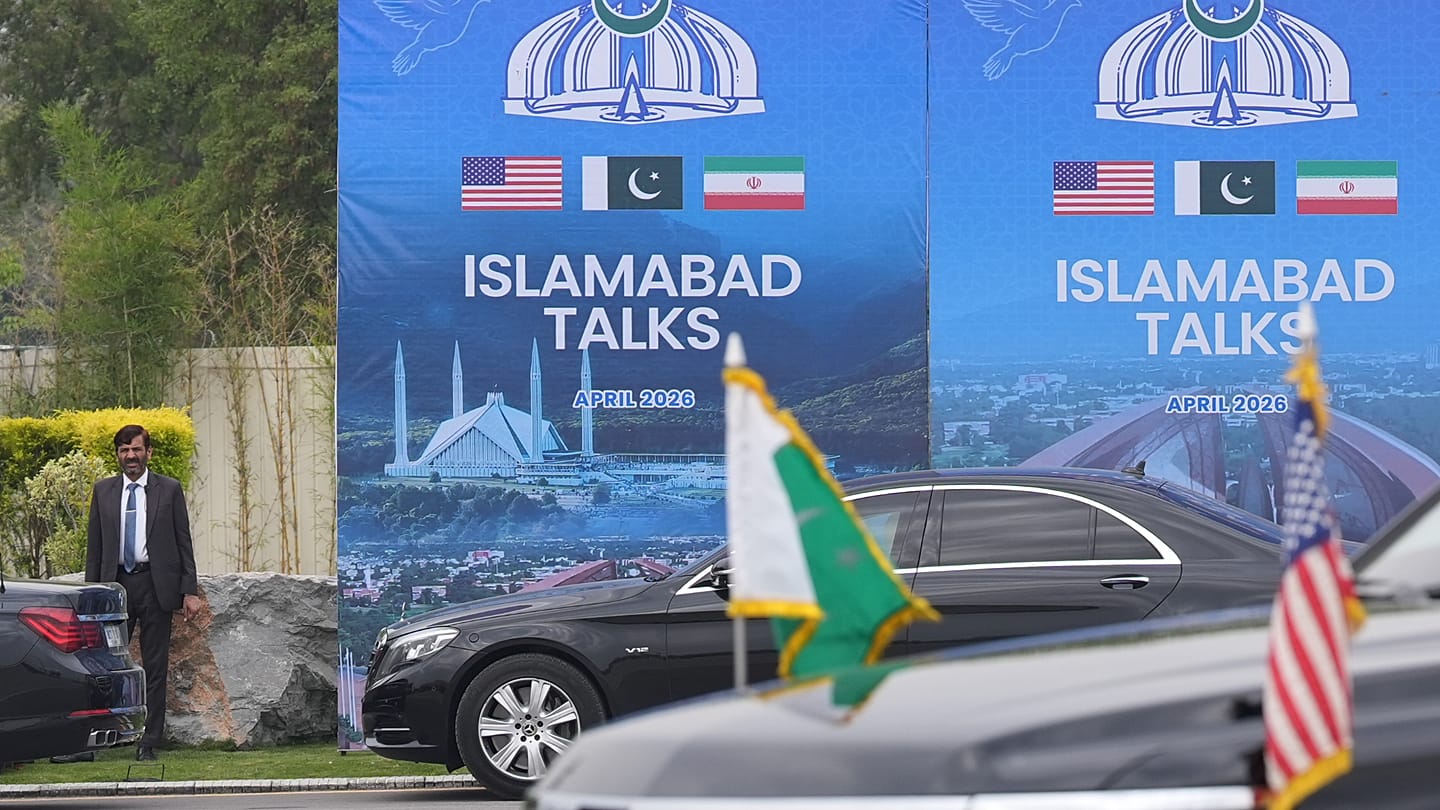
Vice President JD Vance is traveling to Islamabad, Pakistan, on Monday for a second round of indirect negotiations with Iran, returning to a diplomatic effort that many analysts consider the most consequential of his political career — and potentially the most dangerous, as the talks carry both the possibility of ending a costly war and the near-certainty of destroying his political future if they fail conspicuously.
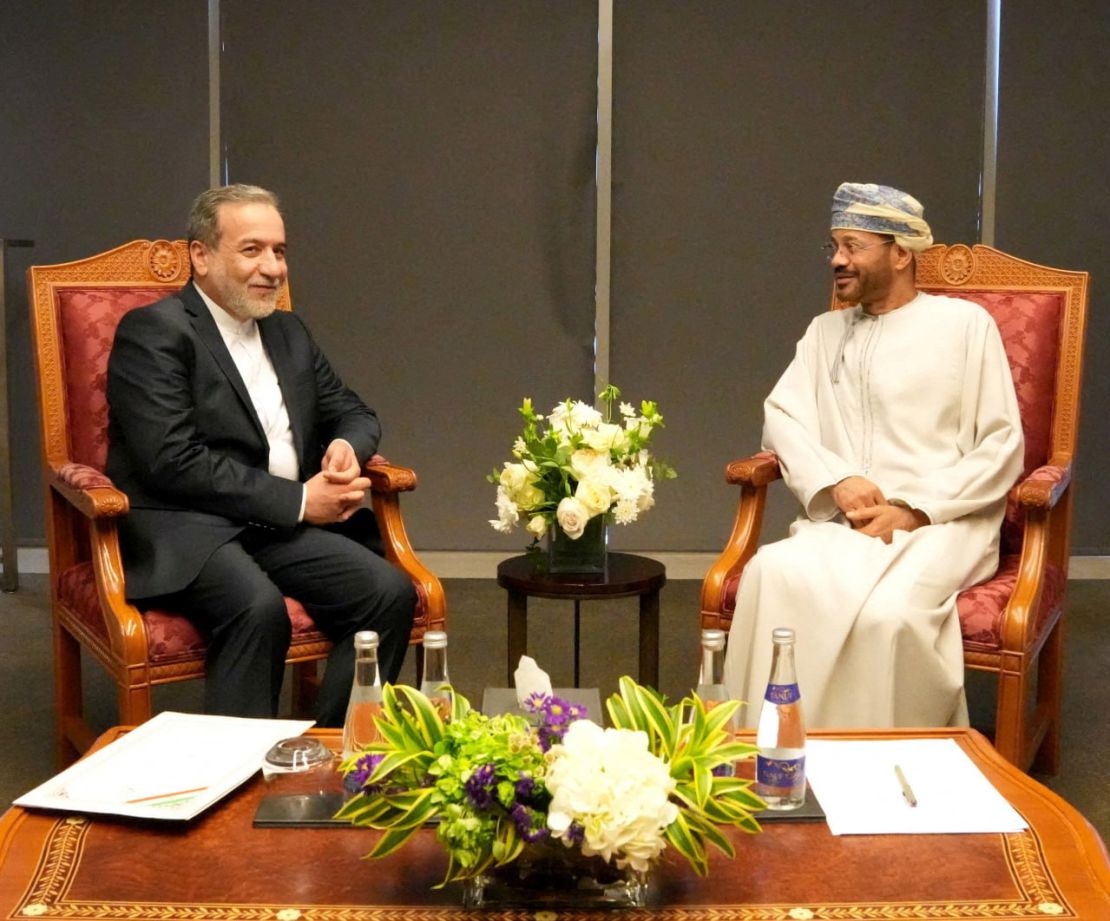
The first round of direct U.S.-Iran talks, held April 12 in Muscat, Oman, ended after twenty-one hours without a framework agreement. The central dispute involved the duration of any suspension of Iranian uranium enrichment: Washington's position was a minimum twenty-year freeze before sanctions relief and a formal end to hostilities; Tehran insisted it would accept no more than five years. Iran's foreign minister also demanded the withdrawal of U.S. naval forces from the Persian Gulf as a precondition for any formal ceasefire arrangement — a condition the Pentagon described as non-negotiable.
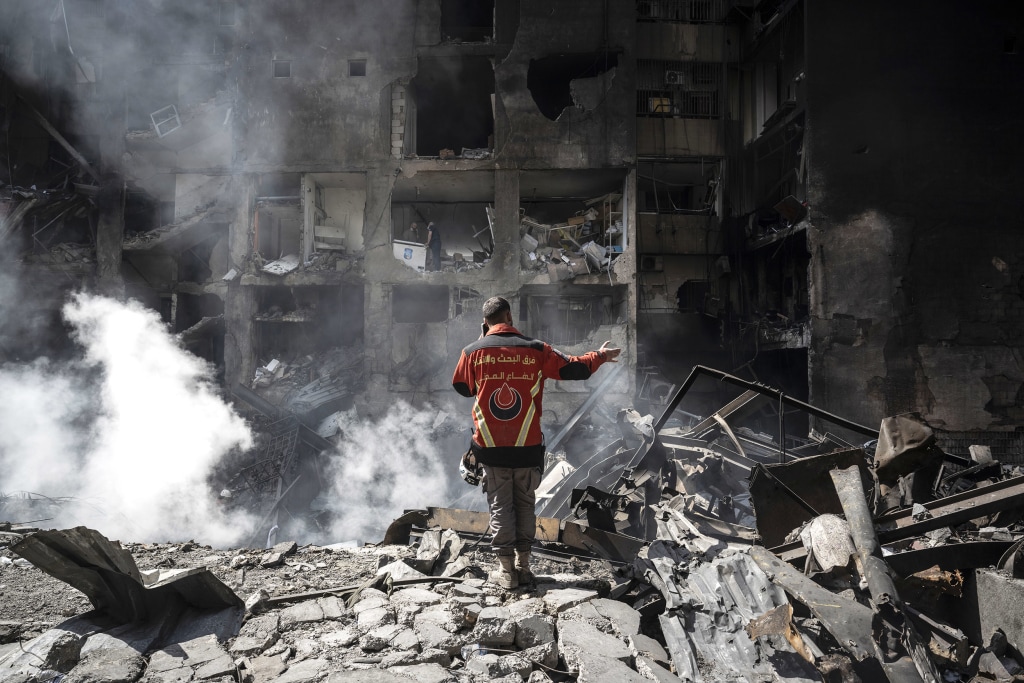
Since Muscat, the ceasefire that was brokered through Qatari and Omani channels has deteriorated sharply. The U.S. Navy's seizure of the Iranian cargo vessel Touska in the Gulf of Oman on Sunday dealt what Iranian officials called a fatal blow to whatever trust remained from the pause in fighting. Iran's foreign ministry declared Monday morning that it had "no plans" to send a delegation to Islamabad — though American officials said they were still holding open the possibility that Iranian representatives might arrive informally.
Vance's role in the Iran negotiations represents a significant political gamble. He has been the administration's most visible advocate for pursuing a negotiated settlement rather than escalating toward regime change, a position that has put him at odds with hawkish members of the president's coalition who believe the military campaign should be pressed to a decisive conclusion. Several prominent voices in conservative media have accused Vance of undermining the military operation by offering Iran a diplomatic off-ramp.
At the same time, Vance faces the opposite risk: if talks collapse and the war continues to drag on — now in its eighth week, with four American service members confirmed dead and more than 200 wounded — the political liability falls on the administration that launched the campaign. Polling data from the past two weeks shows public support for the Iran military operation declining for the fourth consecutive week, with approval falling to 48 percent in the most recent Reuters/Ipsos survey.
Pakistan's decision to offer Islamabad as a venue reflects Islamabad's difficult balancing act. Pakistan has longstanding religious and cultural ties to Iran and has large Shia Muslim communities in its western provinces that are deeply sympathetic to Tehran. At the same time, Pakistan relies heavily on American military aid and IMF financing. Prime Minister Shehbaz Sharif characterized Pakistan's role as that of a neutral facilitator and pointedly declined to describe Pakistan as an American ally in the conflict.
What Vance can plausibly offer Iran at this stage is unclear even to senior administration officials. The president has publicly stated that the minimum acceptable outcome is a verifiable end to Iran's nuclear program — a demand that Tehran has characterized as national humiliation. Sources familiar with the Muscat talks said American negotiators floated a phased enrichment suspension with economic incentives at each phase, but Iranian negotiators rejected the structure as designed to lock in permanent constraints under the guise of temporary agreements.
With the ceasefire expiring at midnight Tuesday and Iranian officials refusing to confirm participation in talks, the window for diplomacy is narrowing. The vice president's office declined to comment on contingency plans if no Iranian representatives arrive in Islamabad.