Europe Picks Spain's De Cos to Succeed Lagarde as Central Bank Chief
Eurozone leaders chose Pablo Hernández de Cos, a 55-year-old former Bank of Spain governor seen as favoring lower rates, to run the European Central Bank as inflation runs at 4%.
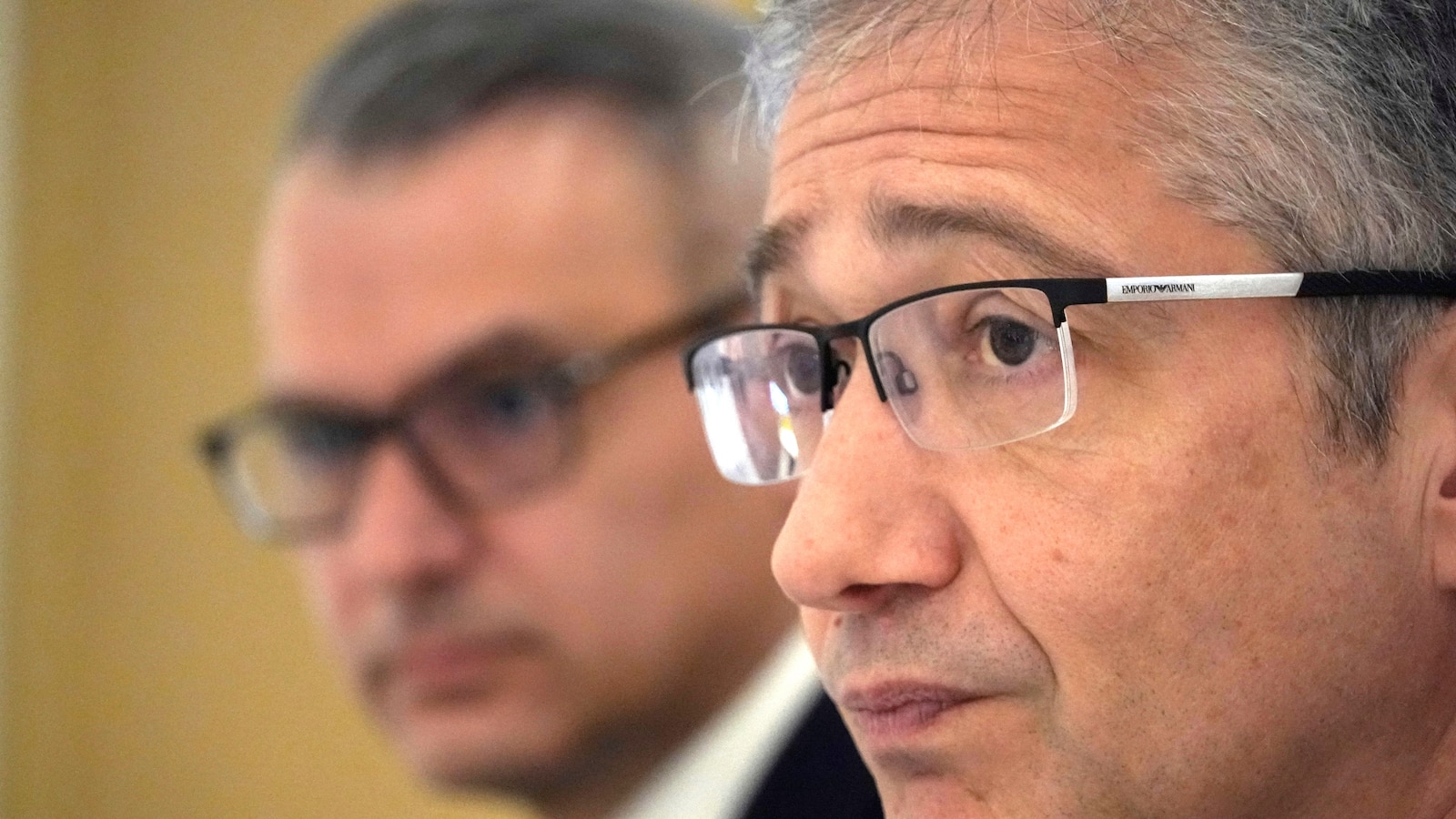
BRUSSELS — European leaders on Thursday chose Pablo Hernández de Cos, the former head of Spain's central bank, to succeed Christine Lagarde as president of the European Central Bank, putting an experienced policymaker in charge as the institution confronts inflation driven by the war in Iran and mounting worries about government debt.
The choice was made by the leaders of the 21 European Union countries that use the euro, who also filled two other top posts at the bank. European Council President António Costa announced on X that the group had agreed on all three appointments at the summit in Brussels. The ECB sets borrowing costs for 359 million people across the eurozone.
De Cos, 55, still has to clear a review by the European Parliament and the ECB's governing council, though both steps are considered formalities. He currently serves as general manager of the Bank for International Settlements, the Basel-based organization of central banks. He sat on the ECB's rate-setting council from 2018 to 2024 while governing the Bank of Spain.
He prevailed over Klaas Knot, the former head of the Dutch central bank, who was regarded as a hawk, the label for officials who lean toward higher interest rates to hold down prices. A review of de Cos' speeches by analysts at Commerzbank suggested he is "among the monetary policy doves," who tend to favor lower rates to support growth.
In 2020, de Cos joined the majority under Lagarde in backing 1.85 trillion euros, about $2 trillion, in pandemic stimulus designed to keep borrowing costs low during widespread closures and travel restrictions. He later praised the program, saying it "has been clearly successful in curbing financial market deterioration in all euro area countries" and in lowering borrowing costs for governments and companies.
That record matters now because several European governments are struggling with heavy debt loads and rising interest bills, France in particular. "Especially against the backdrop of rising government debt in numerous countries ... many governments are likely to prefer a dovish ECB president," Commerzbank analyst Marco Wagner said.
The new president will not inherit an easy inflation picture. Consumer price inflation is at 4%, double the bank's 2% target, and the ECB could still raise rates at its Dec. 17 meeting, which Lagarde will chair. Analysts also say the bank is unlikely to rescue French politicians who cannot agree on how to shrink their deficit, even though it can intervene in some circumstances when it judges market turmoil unjustified.
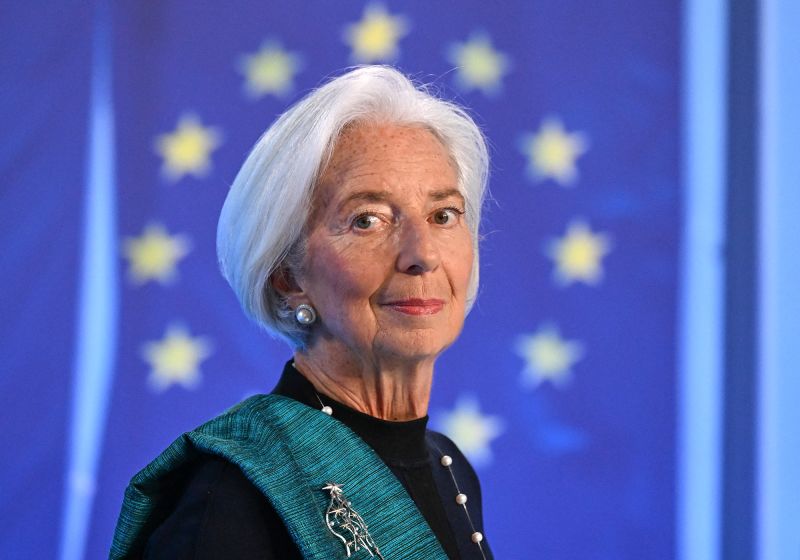
Lagarde, 70, said on Oct. 30 that she would step down on Feb. 7, nine months before the end of her eight-year term, so she could speak more freely about matters beyond monetary policy. The early exit also lets leaders choose her successor while French President Emmanuel Macron, a supporter of the EU, remains in office, and guards against the possibility that right-wing presidential candidate Marine Le Pen could win next year's election and shape the decision.
Leaders also named German economist Markus Brunnermeier, a Princeton University professor, to the ECB's six-member executive board, replacing Philip Lane, whose term ends in May. Lane has held the influential job of chief economist, proposing interest rate moves to the governing council. Laurence Boone, head of corporate and investment banking in France for the Spanish bank Santander, was chosen for the seat being vacated by Germany's Isabel Schnabel, who is resigning in January.
Lagarde, who was regarded as steering a consensus-driven middle course and once described herself as an "owl" rather than a hawk or a dove, congratulated her successor in a post online, praising his "intellect, warmth and good humour." She added that if he is confirmed, those qualities "will serve him well as ECB President."