Chicago Fed's Goolsbee Says AI Boom Is Feeding 'Borderline Disturbingly High' Inflation
He says the data don't show a path back to 2%, and Fed minutes show nearly every official expects a quarter-point rate hike in December.
The artificial intelligence building boom is pushing up U.S. inflation, one of the Federal Reserve's own voices said Thursday, and the central bank looks ready to raise interest rates next month in response.
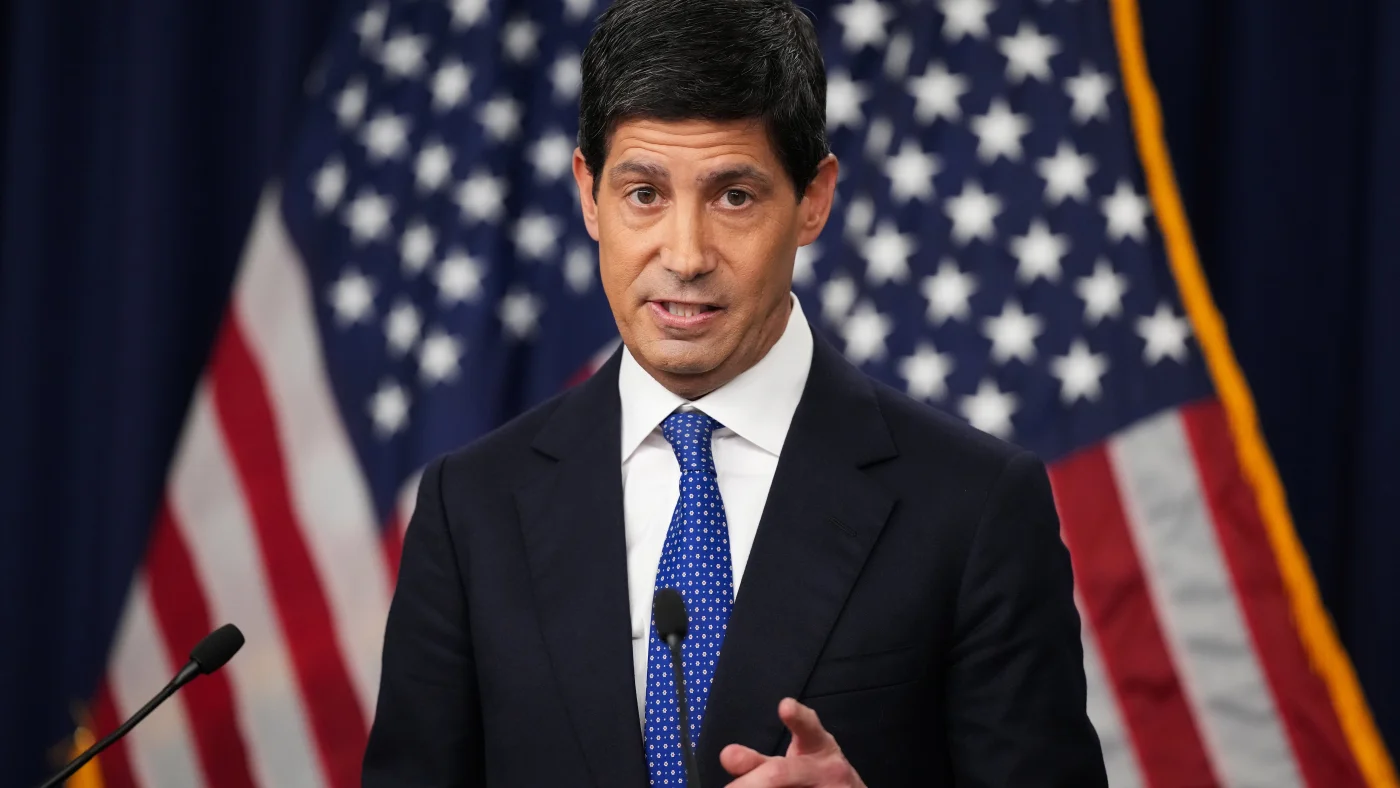
Chicago Fed President Austan Goolsbee told reporters that the surge in AI data center construction is adding to inflation he called "borderline disturbingly high." The sector's enormous business investment, he said, is indirectly contributing to rising prices for services. "The AI boom is contributing to the potential of overheating in the economy," Goolsbee said. "I find it hard to look at it any other way when you are getting major business investment, almost an unprecedented level of business investment."
Goolsbee becomes a voting member of the Federal Open Market Committee in January. He declined to forecast the central bank's next move on rates, saying decisions will hinge on whether inflation is on track to return to the Fed's 2% annual target. His read of the evidence was blunt: "The evidence does not suggest we are on a path back to 2%."
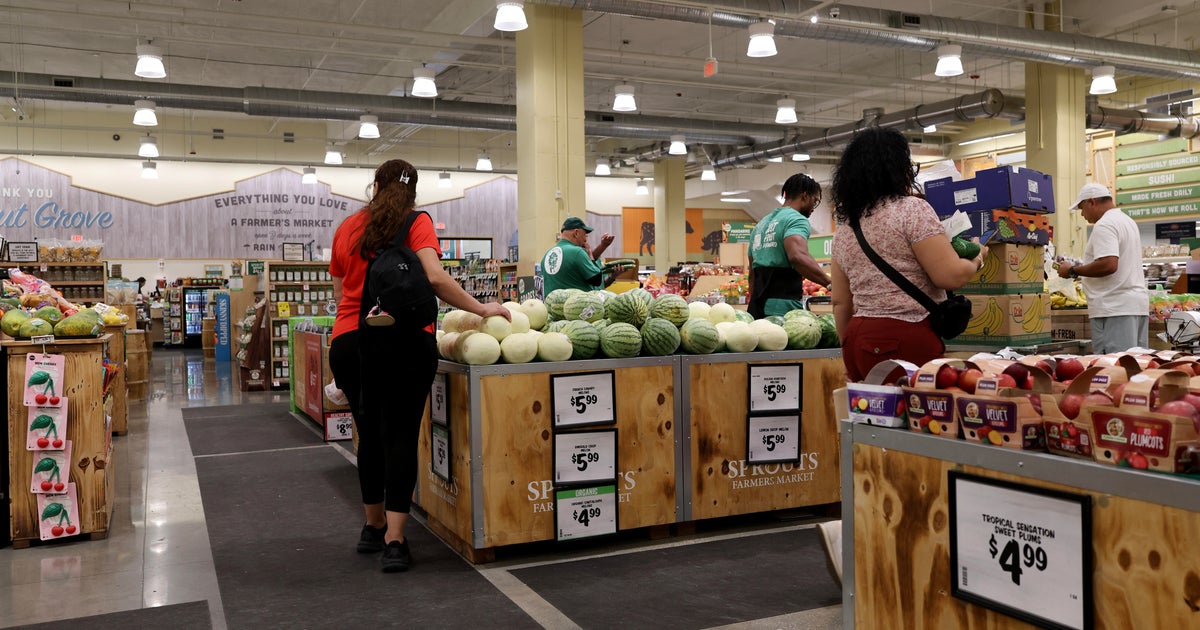
The latest data back him up. Consumer prices rose 0.4% in October, faster than economists had expected. Inflation in recent months has largely been driven by higher energy prices, but the October figures showed the cost of other goods and services also climbed.
The Fed's minutes from its October meeting show where policy is heading. Nearly all officials expect the central bank to raise its key interest rate by a quarter point in December. Some officials had supported a hike in October, though the committee kept the rate steady, and two members suggested a half-point increase at the meeting next month.
Goolsbee spoke on the same day Anthropic completed what was described as the largest initial public offering in history. Shares of the AI company jumped 17% in their first day of trading on Nasdaq, even as the broader market sold off sharply and the Dow Jones Industrial Average shed more than 1,100 points. The offering made the company's seven co-founders multibillionaires. Goolsbee said that wealth creation bears watching. "The question of what are people going to do with the money ... will become a macro relevant statistic," he said.
He also pointed to a gap between how the economy looks on paper and how Americans feel about it. Consumer sentiment remains low despite relatively strong economic trends, a puzzle economists have tried to explain. Goolsbee said one reason is inflation, with Americans feeling "very sour" about higher prices. "The consumer sentiment about inflation hasn't been wrong," he said.
That leaves most households in a difficult spot. They are paying higher prices without seeing the upside of the AI sector's growth or of a record public offering, which has so far enriched a small group of founders and investors.
The stakes for markets are high. A rate hike would raise borrowing costs for mortgages, car loans and credit cards at a time when the S&P 500 has already fallen into correction territory on fears about AI spending. Traders will watch the December meeting closely for signs of whether the Fed sees the AI investment wave as a lasting inflation risk or a temporary one.