EU Budget Summit Ends Early With No Deal and Ukraine Loan Pushed Back
Seven net-contributor nations balked at the talks format, a planned second day was scrapped, and a €45 billion loan for Kyiv will return to the table in December.
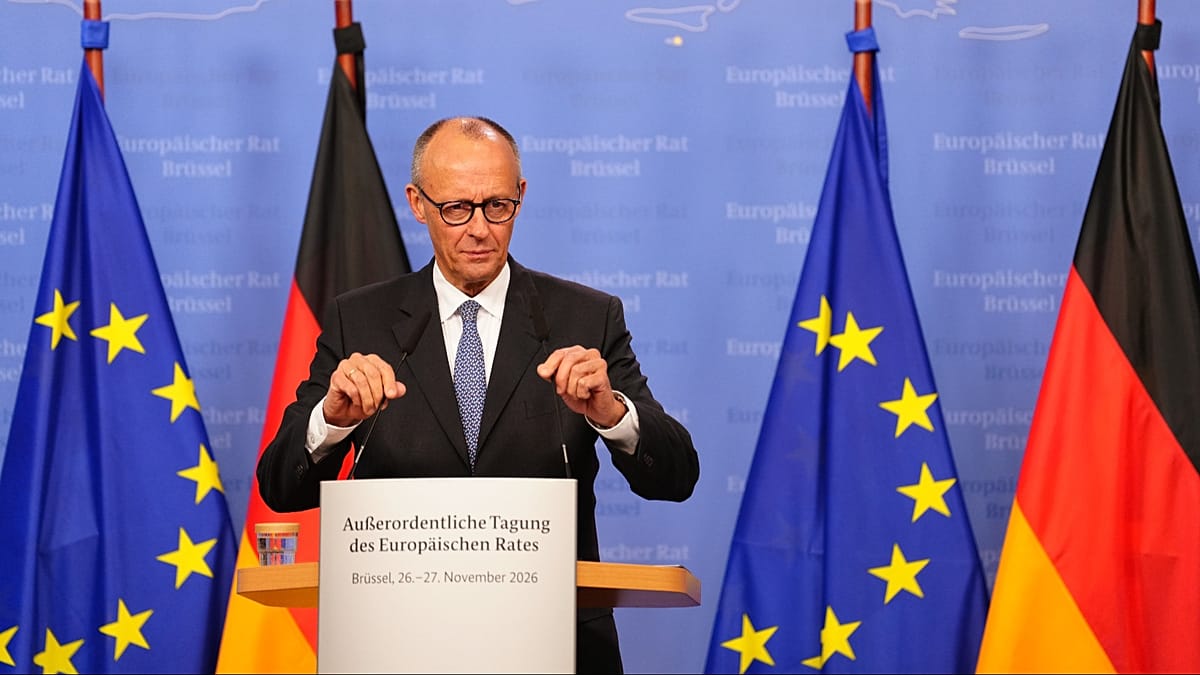
BRUSSELS — European Union leaders broke off a special summit on Thursday without a breakthrough on the bloc's next seven-year budget or a new 45 billion euro loan for Ukraine, canceling a planned second day of talks and pushing both fights into December.
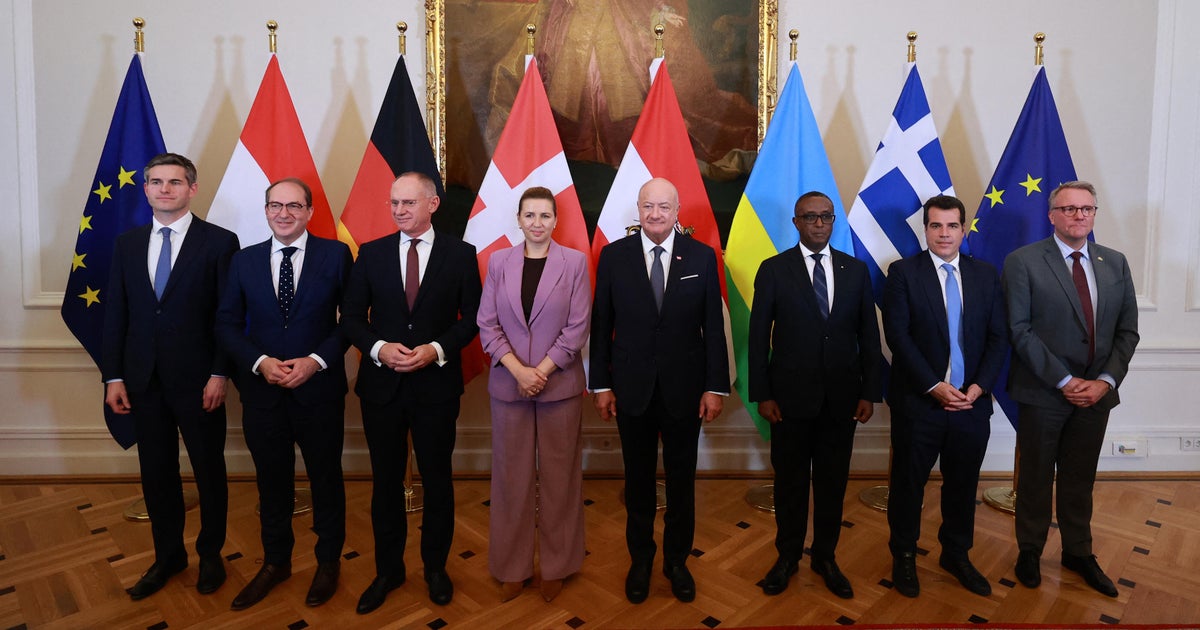
European Council President António Costa, who chaired the meeting, had split the leaders into small, geographically mixed groups to coax them into concessions. The effort backfired. Seven countries that pay more into the budget than they receive, Austria, Belgium, Denmark, Finland, Germany, the Netherlands and Sweden, rebelled against the format, arguing it was designed to pile pressure on them, and asked to return to a full session.
A diplomat from one of those so-called frugal states called the summit "quite bad." "We had a lot of physical movement, with all the meetings, but we did not really see any movement on content," the diplomat said. Austrian Chancellor Christian Stocker said the format was "not effective" and that Costa's compromise attempt had failed. "A new proposal is needed, and a different way of negotiating with each other," he said.
Costa defended the day's work. He noted that leaders met twice in full session and in several smaller formats, and said the discussions helped him identify "the parameters of a possible landing zone in December."
The core dispute concerns the 2028-2034 spending plan, which could amount to between 1% and 1.2% of the bloc's gross national income. The frugal group wants a smaller budget and wants to keep rebates that reduce the contributions of the largest net payers. A bloc known as the Friends of Cohesion, led by France and Italy, is defending money for farmers and for infrastructure in poorer regions. Agriculture and cohesion funds each account for about a third of spending.
"The budget needs to be modernized and needs to be downsized if we want to strike a deal," Dutch Prime Minister Rob Jetten said on arrival. German Chancellor Friedrich Merz said Europe "needs solid finances" and must not take on more debt, while still meeting priorities including stronger defense. Czech Prime Minister Andrej Babiš defended regional funding, noting that his country has no highway to Austria and has to build its hospitals.
French President Emmanuel Macron set a hard deadline, warning that negotiations could not be reopened or concluded after Dec. 31 for political and democratic reasons, as the French presidential campaign approaches. Others, including Italian Prime Minister Giorgia Meloni and Jetten, said they would not be bound by a timetable. "We are light years away from a solution to this problem," Meloni said.
Ukraine's financing is tangled in the same negotiation. Costa confirmed that Slovakia, Hungary and the Czech Republic did not support the new 45 billion euro loan, worth about $49 billion, and that Bulgaria would join only its civilian portion. "We will revert to this issue in December," he said. The European Commission has earmarked 20 billion euros of the package for Ukraine's economy and 25 billion euros for its armed forces.
Merz had warned that he could hold up a budget agreement unless every member state made a collective commitment to Kyiv. The loan would follow a 90 billion euro package that leaders endorsed nearly a year ago, as intensified Russian attacks on energy infrastructure and disruptions to Black Sea trade strain Ukraine's finances. The long-term budget also proposes a separate 100 billion euro reserve for Ukraine over seven years. Leaders are due to resume high-level talks on Dec. 17.