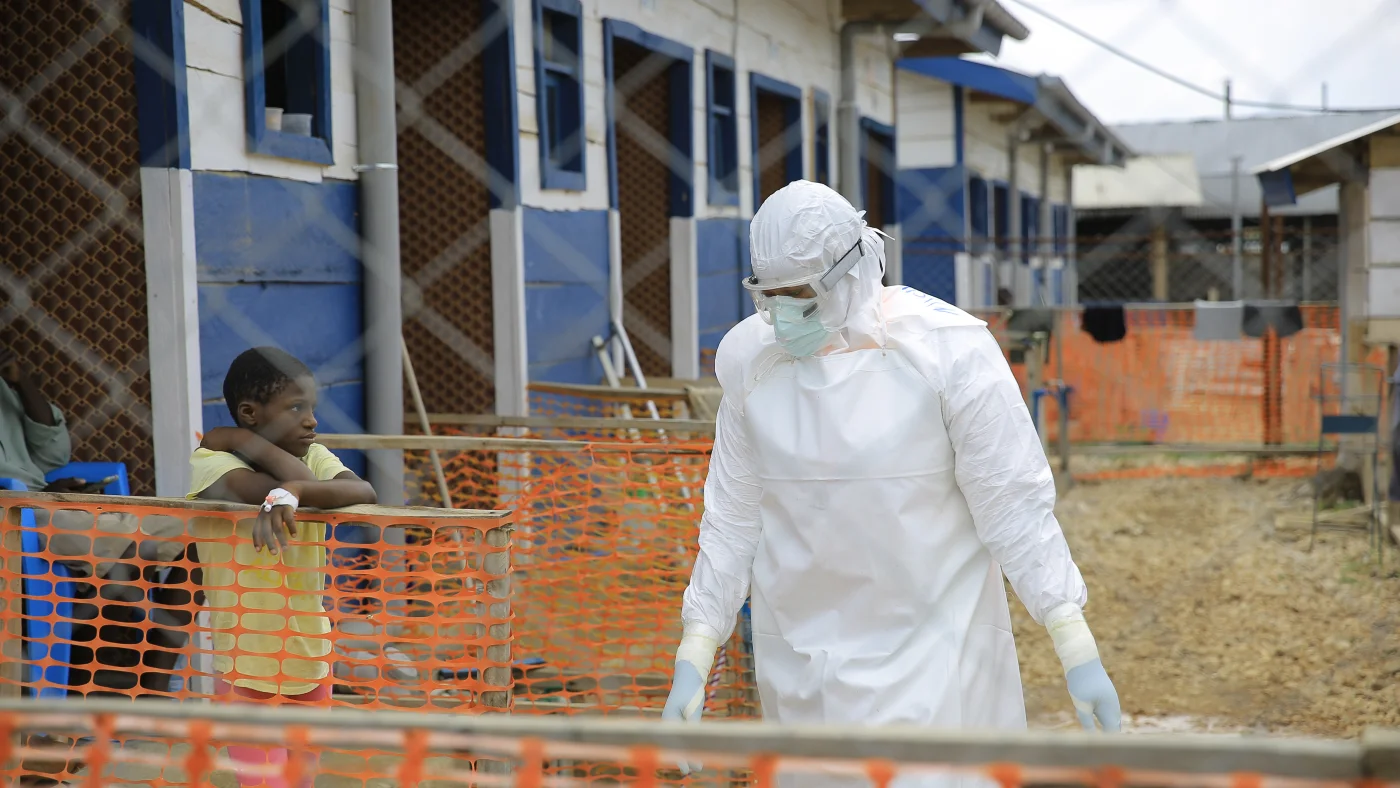
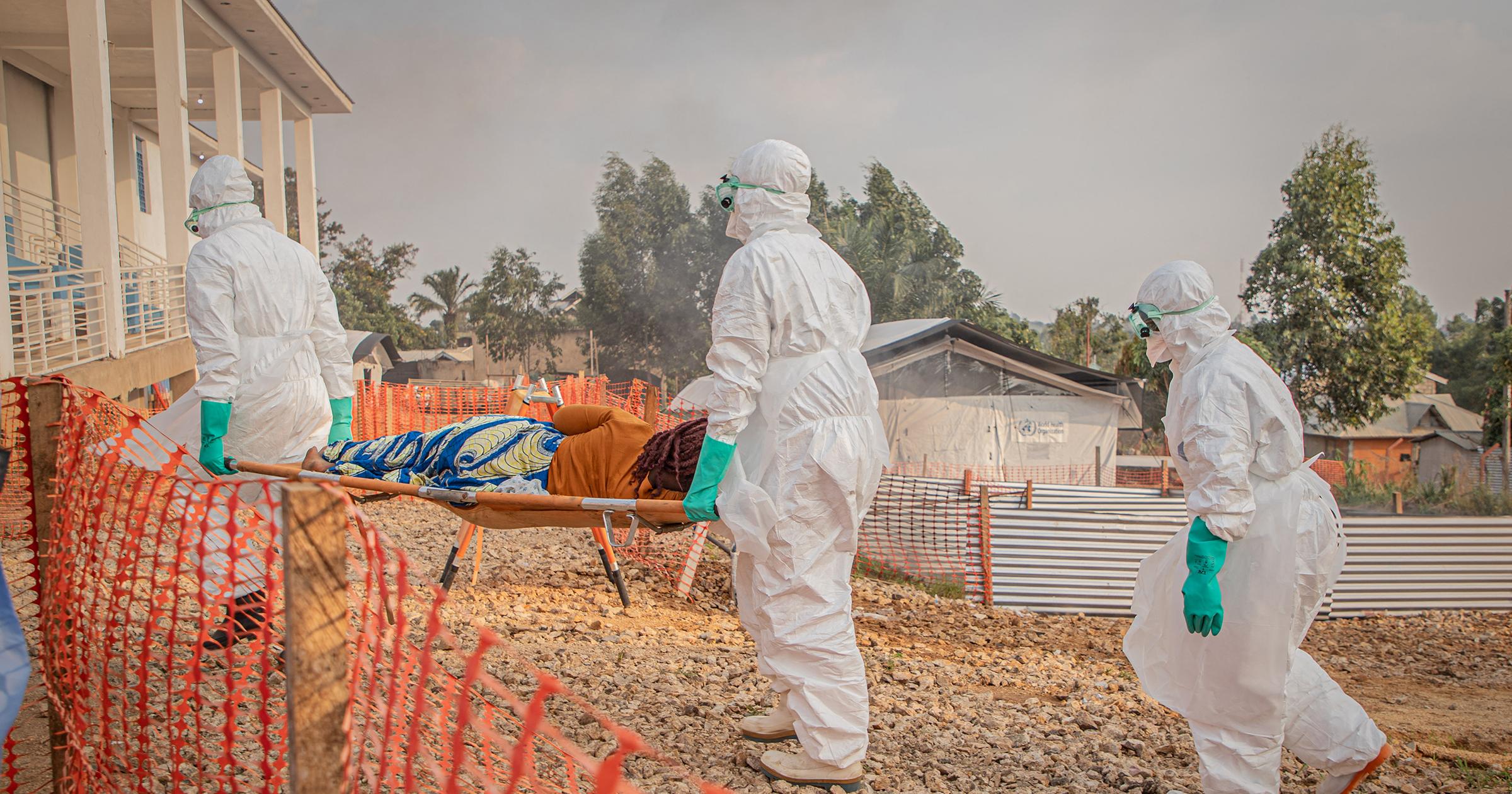
Congo's Ebola Outbreak Tops 12,000 Cases as Fighting Forces Evacuations
Nearly half of those with confirmed infections have died, and clashes between the army and rebels are cutting health teams off from communities.
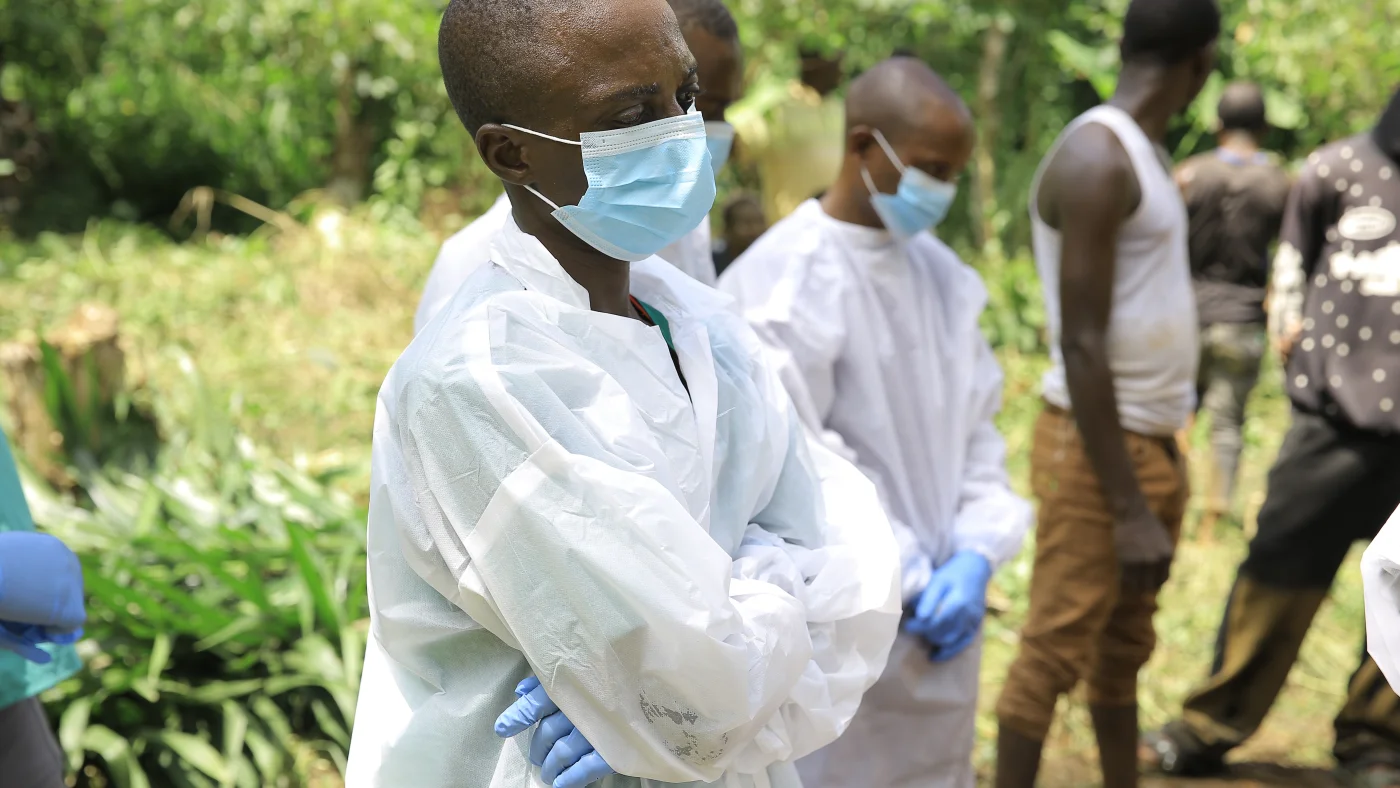
The Ebola outbreak racing through eastern Congo has passed 12,000 confirmed cases, government data showed Thursday, as combat between the army and a rebel group drove some responders out and sent new waves of displaced people toward a city at the center of the medical effort.
Congo's Ministry of Health counted 12,021 confirmed cases, and nearly half of those patients have died. It is the fastest-growing Ebola outbreak on record and the deadliest of the 17 the country has faced, the Associated Press reported. It is also on course to surpass the death toll of the West African epidemic that killed 11,000 people between 2014 and 2016.
The pace remains severe. Earlier this month the outbreak crossed 11,000 cases, with 5,387 deaths.
Declared in May, the outbreak is caused by the rare Bundibugyo virus, for which there is no approved vaccine or treatment. That leaves health workers leaning on the basics: finding and isolating patients quickly, tracking people who may have been exposed and burying the dead safely. Ebola spreads through direct contact with the blood or other body fluids of people who are sick or who have died of the disease.
Each of those steps is being undermined. Response teams are contending with armed conflict, poor roads and violence from residents fed by mistrust and misinformation.
Fighting between government troops and the Convention for the Popular Revolution, known by its French initials CRP, resumed Thursday morning in Iga-Barrière, a mining town about 15 miles north of Bunia. Bunia is the capital of Ituri province and a major hub for the response, and the clashes pushed more people toward it.
The CRP is one of more than 100 armed groups operating in eastern Congo, where years of conflict have produced one of the world's most severe humanitarian crises. It was founded last year by Thomas Lubanga, a former warlord whom the International Criminal Court convicted in 2012 of recruiting children under 15 and using them in combat.
Violence earlier in the week had already kept teams from reaching some communities, interrupted the monitoring of exposed people and left some treatment centers short of staff, Dr. Catherine Smallwood, the World Health Organization's Ebola incident manager, said Wednesday.
Smallwood said about a dozen people, including two WHO staff members and Congolese health officials, were evacuated to Bunia on Tuesday. They had been trapped for three full days in a hospital in Akwe, northeast of the provincial capital, while heavy crossfire raged around them.
The disruption matters because contact tracing depends on daily access. When teams cannot visit people who have been exposed, new infections can go unnoticed until patients are seriously ill and have had more chances to pass the virus to relatives and caregivers. With no approved vaccine to ring around new cases, any gap in surveillance or isolation gives the outbreak more room to spread.