Colombia's New President Was Sworn In Under 11,000 Troops in Cali — and Washington Immediately Pledged $1 Billion
Abelardo de la Espriella, a 48-year-old criminal defense lawyer who has never held elected office, ended his predecessor's peace talks on day one and promised to retake the countryside by force.
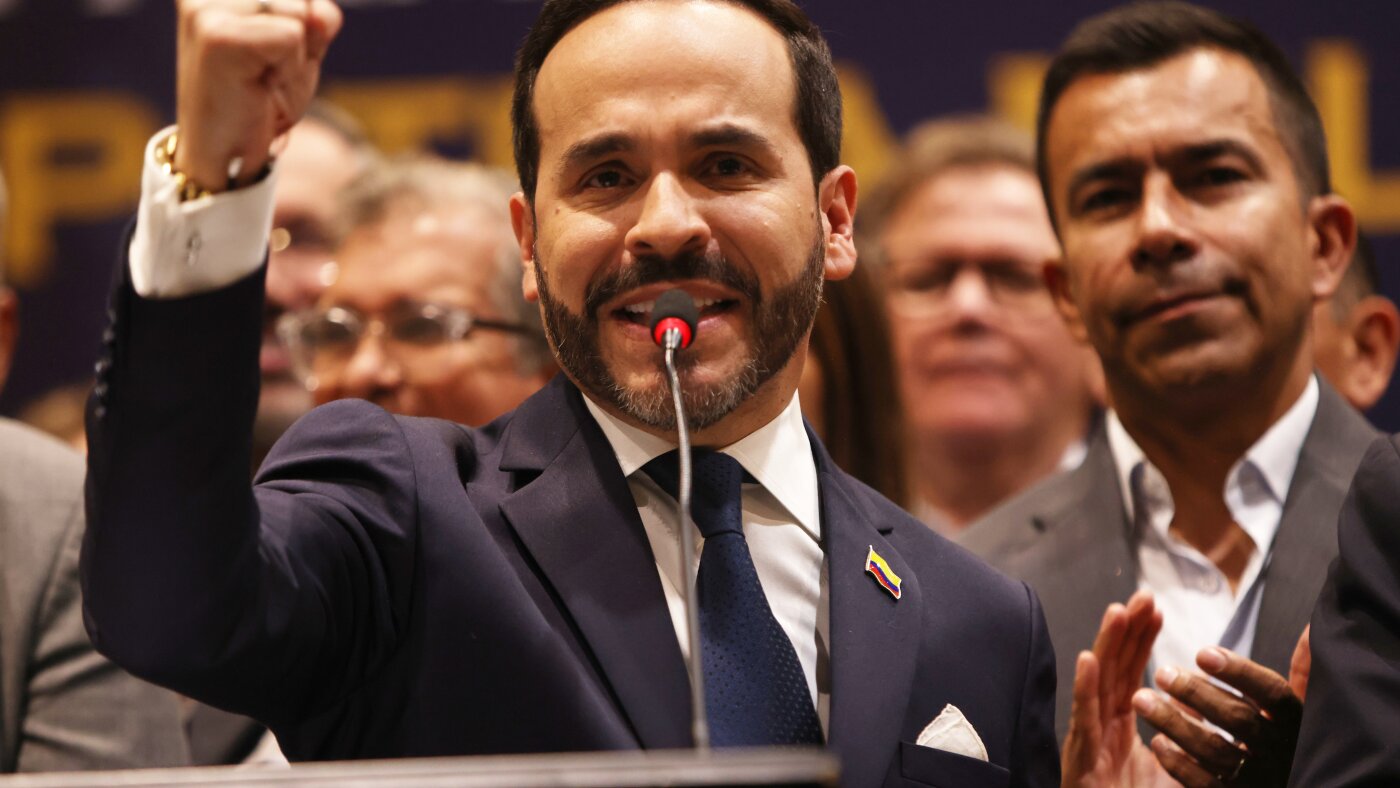
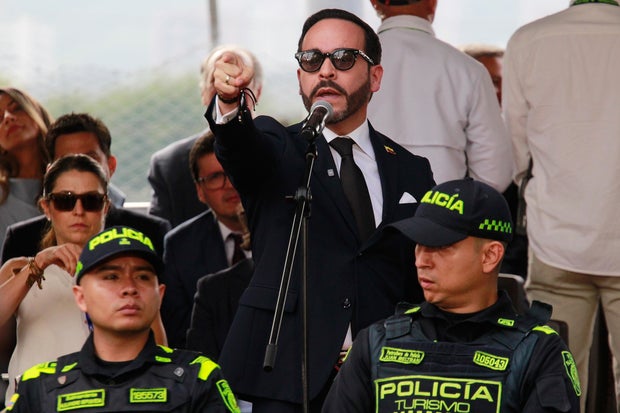
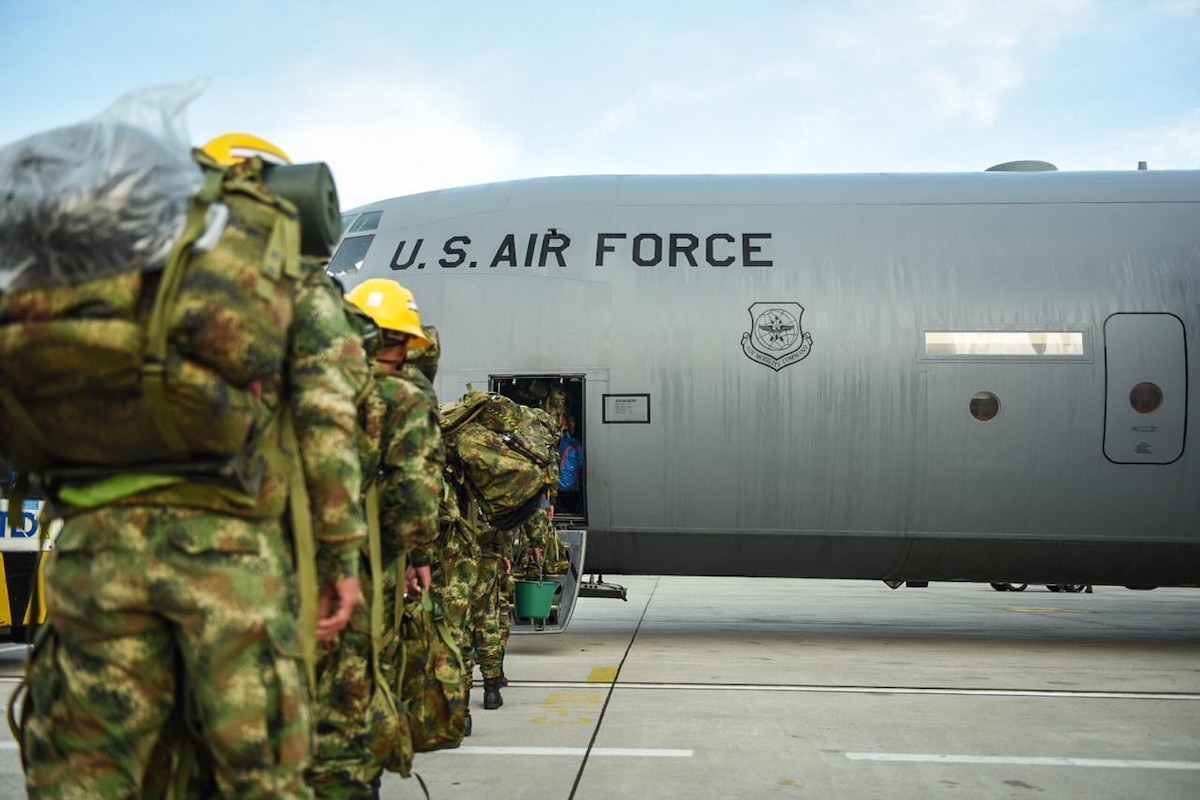
Abelardo de la Espriella was sworn in Friday as president of Colombia, not in the capital where every modern Colombian president has taken the oath, but in Cali — a southwestern city battered by drug violence and rebel attacks. The choice was the message. Some 11,000 troops were deployed to secure the ceremony, drones were banned outright and privately owned vehicles were barred from city roads for the day.
De la Espriella is 48, a wealthy former criminal defense lawyer who has never held elected office and who ran explicitly as an outsider. He won the presidency by roughly 250,000 votes — about one percentage point — over the left-wing candidate Iván Cepeda. "One of the fundamental priorities of my government will be to exert control of our territory," he said in a speech earlier in the week. "If we don't control our cities and our rural areas, this nation will lose its sovereignty."
The guest list underlined how far Colombia has swung. Argentina's Javier Milei, Ecuador's Daniel Noboa and Chile's José Antonio Kast attended, as did King Felipe VI of Spain, FIFA president Gianni Infantino and Todd Blanche, the Trump administration's top Justice Department official. Hours before the swearing-in, the U.S. State Department said the administration plans to provide $1 billion in security assistance to the new government, pending approval from Congress.
The policy break with outgoing President Gustavo Petro is close to total. Petro, a progressive and a former guerrilla himself, spent four years pursuing a strategy called "Total Peace," negotiating simultaneously with a long list of armed groups. Critics say the ceasefires it produced were used by those groups to rearm, regroup and expand their hold over rural communities that they tax through extortion, illegal mining and cocaine. De la Espriella has said he will end the talks and confront the groups militarily, build large prisons, and resume aerial spraying of coca crops — a practice Colombia abandoned more than a decade ago over environmental and health objections. He has also endorsed the Trump administration's campaign of military strikes against boats suspected of carrying drugs in the Caribbean and eastern Pacific, in which more than 200 people have been killed.
Analysts warn that closing the door completely carries its own risk. "The pendulum swings back to the right," said Elizabeth Dickinson, a Colombia analyst at the International Crisis Group, after four years of an administration that struggled to convert negotiations into results. She said sustained military pressure could weaken the armed groups and push some fighters to demobilize, but that ruling out any future talks could backfire. "We're talking about a conflict that has an estimated 27,000 individuals involved in different armed and criminal groups," Dickinson said. "These individuals will need a route back into normal life."
De la Espriella also inherits a fiscal problem. Colombia's budget deficit roughly doubled under Petro, and the new president has promised to cut government spending while simultaneously expanding military operations and prison construction — a combination that will test both the treasury and a Congress in which he does not command an automatic majority. He is the latest in a run of conservative victories across South America, following Peru, Chile and Ecuador, where voters have increasingly ranked crime and security above every other issue, and where new governments have moved to align themselves closely with Washington on immigration and counternarcotics.