At Least 66 Soldiers Killed as Colombian Military C-130 Crashes on Takeoff
A Hercules transport carrying 128 people went down 1.5km from the runway in the remote Amazon province of Putumayo, triggering an explosion as onboard ammunition detonated.
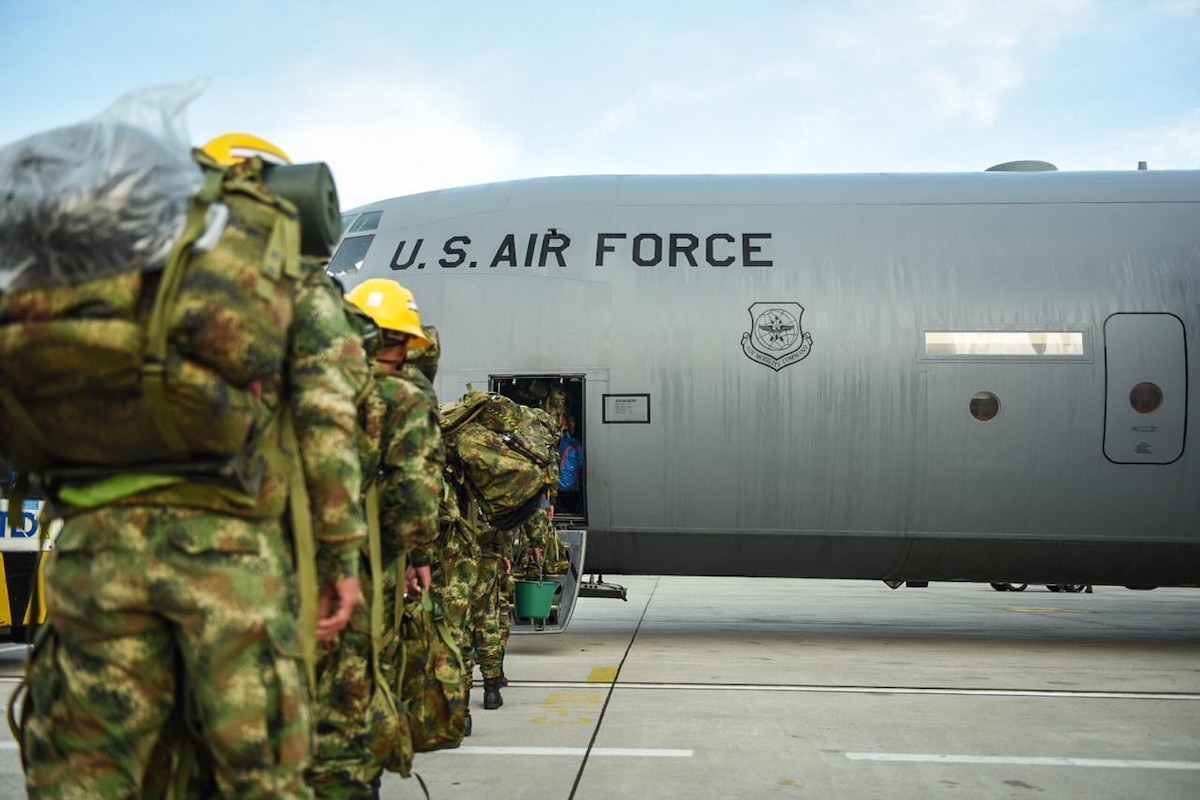
At least 66 soldiers are dead and dozens more injured after a Colombian Air Force C-130 Hercules transport plane crashed moments after takeoff Monday in Puerto Leguízamo, a remote Amazon town in Putumayo province near the borders of Ecuador and Peru. The disaster is one of the deadliest military aviation accidents in Colombian history, and has plunged the country into mourning while reigniting a bitter debate over the age and condition of the military's aging aircraft fleet.
The plane, carrying 128 people — 115 Army soldiers, 11 crew members, and 2 National Police officers — went down approximately 1.5 kilometers from Caucayá Airport shortly after wheels left the runway. According to Air Force Commander General Carlos Fernando Silva, the aircraft "had a problem and went down about two kilometers from the airport." The crash triggered a massive explosion as the ammunition on board detonated, setting the wreckage ablaze. Fifty-seven survivors were pulled from the burning debris and transported to local clinics before being airlifted to larger medical centers; four military personnel remained missing as of Tuesday morning.
Defense Minister Pedro Sánchez confirmed 66 deaths — six from the air force, 58 from the National Army, and two police officers — and declared the crash a "tragic accident," explicitly ruling out an attack by rebel groups that operate near Puerto Leguízamo. Investigators from the Colombian Aerocivil civil aviation authority launched a formal inquiry Monday evening. The C-130H Hercules model involved first entered service in 1965 and had been donated to Colombia by the U.S. Air Force in September 2020 under a military assistance program. Three years later, in 2023, the aircraft underwent a comprehensive overhaul in which engines were inspected and critical components were replaced.
President Gustavo Petro, who has clashed repeatedly with military brass over defense spending, used the tragedy to press his long-standing argument that Colombia's armed forces are dangerously underequipped. "This crash should never have happened," Petro said in a televised address. "I have tried to modernize our military, but I have encountered bureaucratic difficulties at every step." Aviation expert Erich Saumeth told Colombian broadcaster RCN that investigators would focus on whether engine failure shortly after rotation caused the aircraft to lose altitude too quickly to recover, though he cautioned that determining the exact cause could take months.
The Colombian military relies heavily on a fleet of Soviet-era and Cold War-era U.S. aircraft to conduct operations across the country's vast jungle and mountain terrain. Critics have long warned that budget constraints and procurement delays leave crews flying equipment well past its operational prime. Tuesday's disaster adds pressure on Petro's government to accelerate replacement orders, though analysts note that Colombia's ongoing negotiations with dissident FARC factions and heavy commitments to counter-narcotics operations make any rapid drawdown of existing aircraft politically and logistically difficult. Tributes poured in from across Latin America, with Brazilian President Luiz Inácio Lula da Silva and Chilean President Gabriel Boric both expressing condolences to the Colombian people and the victims' families.