Bomb Threats Hit Dozens of European Flights and Three Broadcasters in a Week
Fighter jets escorted passenger planes in Hungary and aircraft landed at Paris Orly as hoax threats continued Friday; officials have not named a culprit.
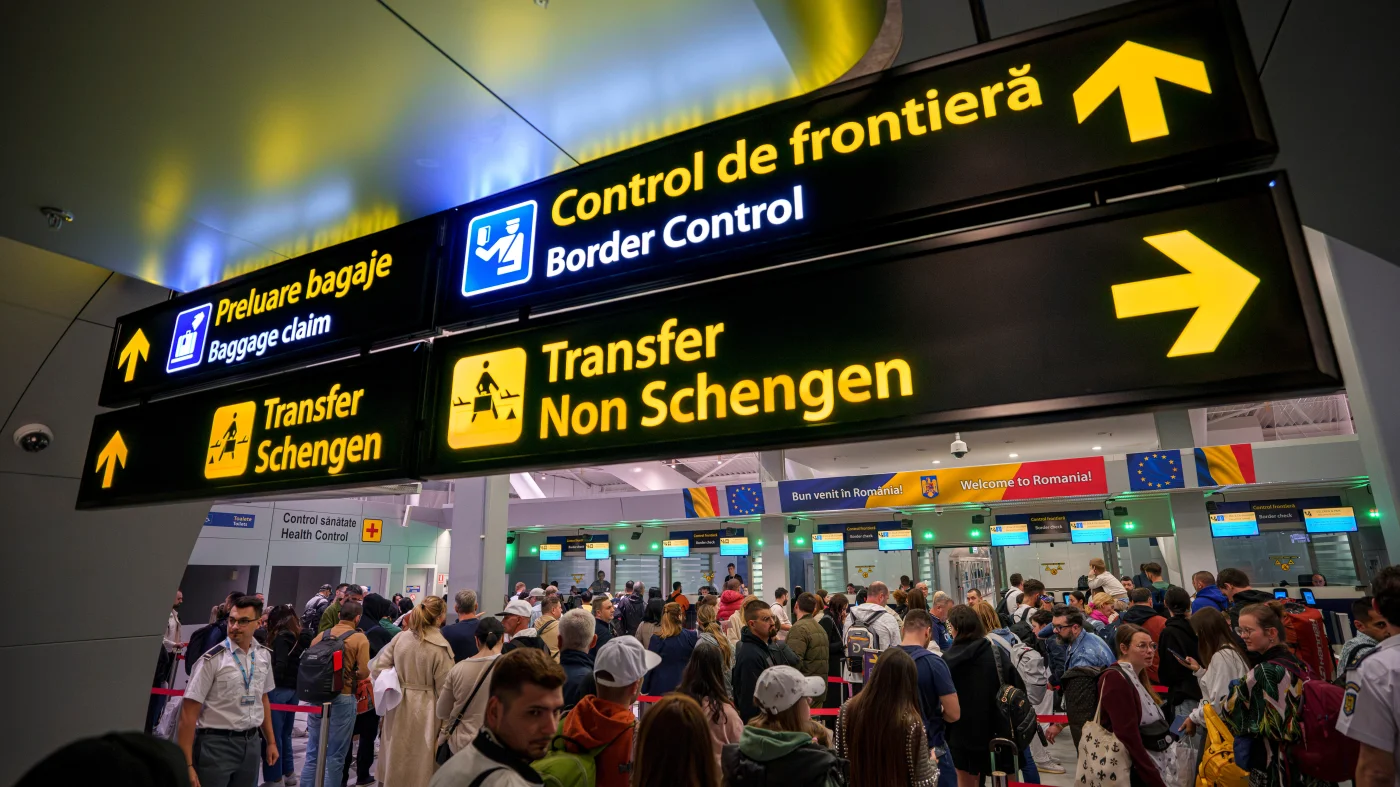
PRAGUE — Officials across Europe reported a fresh wave of bomb threats against multiple flights on Friday, following a string of hoaxes that caused diversions earlier in the week. Three broadcasters also received security threats, a possible sign that the campaign is spreading beyond the skies. No suspicious items have been found and no one has been hurt, according to the Associated Press.
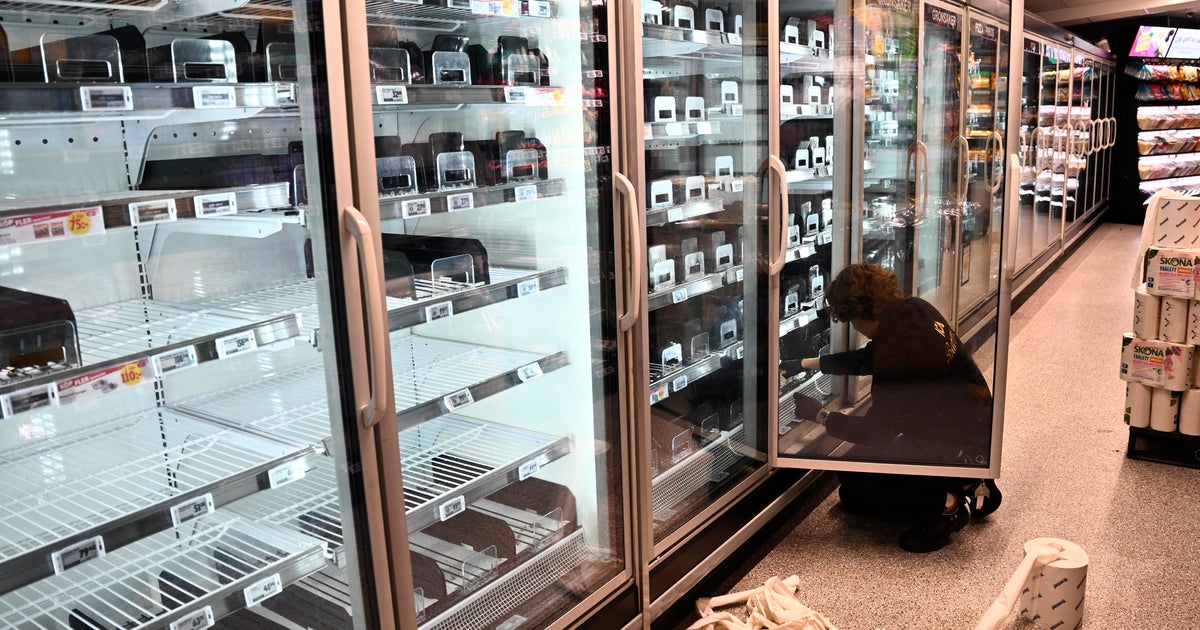
The threats have drawn concern because they follow other disruptions in Europe, including attacks on supermarket refrigeration systems and drone incursions. Eurocontrol, the European air traffic authority, said it was aware of bomb threats against 14 flights on Thursday, about 0.05 percent of the nearly 26,300 flights across the European network that day, and seven on Tuesday. The European Union's transportation commissioner, Apostolos Tzitzikostas, said there were 11 more on Friday. Eurocontrol says the overall disruption to aviation has been minimal.
Even so, airlines must treat every threat as real. "The risk appetite for airlines is always going to be incredibly low," Robert Jordan, research director at Britain's Royal United Services Institute, told the BBC. He noted that secure messaging apps have made it easier than ever to make anonymous threats, and that safety and security procedures at airlines are built around taking each one seriously.
The response on Friday was visible in the air. In Hungary, Defense Minister Romulusz Ruszin-Szendi said fighter jets escorted three passenger planes through Hungarian airspace within an hour after each received a bomb threat. The flights were from Brussels to Sofia, Bulgaria, and from Prague to Cyprus and Romania. French Prime Minister Sébastien Lecornu's office said four threats were made against aircraft over France, and the planes landed safely at Paris's Orly Airport, where bomb disposal experts inspected them.
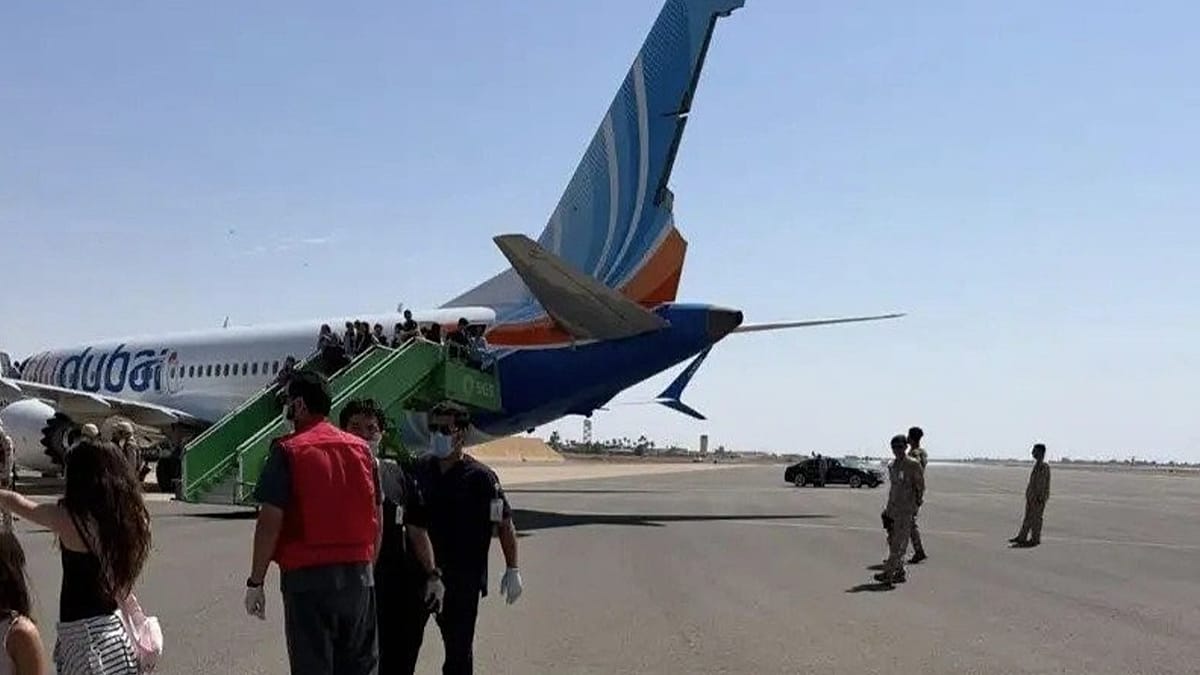
Other flights were hit too. Threats were made against a Prague-to-Bucharest flight operated by Romania's Tarom and a Ryanair flight from Lisbon to Rome. A Wizz Air flight from Prague to Rome was diverted to Venice after a bomb alert, and passengers were evacuated after landing. Nine of the affected flights were coming or going from Václav Havel Airport in Prague, spokesperson Denisa Hejtmánková said, including services from Denmark, Spain and Britain and departures to the Netherlands and Britain, in addition to those bound for Cyprus, Italy and Romania. Czech police said the security measures had a minimal impact on normal airport operations. In Denmark, police were deployed to Copenhagen airport for a second consecutive day as a precaution over threats directed at air traffic and said there was no danger to passengers.
More than two dozen flights were affected by threats earlier in the week, and some were diverted while authorities worked to rule out any danger. Fake bomb threats are relatively common, but it is unusual to see so many in such a short span. Diverting and inspecting flights is expensive. "I think it's a big problem for aviation that this is happening," said Torstein Nymoen, a 52-year-old Norwegian traveler at the Prague airport. "It must cost a lot for the companies."
It remains unclear who is behind the threats. They come at a time of heightened geopolitical tension and warnings from authorities that Russia may be stepping up so-called hybrid attacks in Europe, but no group or state has been blamed and no evidence has emerged linking the hoaxes to a government. An email containing a threat sent Thursday to airport authorities in Rome, reviewed by the AP, purported to come from a self-described anti-feminist group targeting a "feminist regime." Another European airport received a threat with similar wording, though it is unclear whether the same person sent both. Tzitzikostas said security experts will meet in Brussels next week to discuss measures to deal with the surge.