Ancient Chinese Exercise Lowers Blood Pressure as Effectively as Brisk Walking
Adults with stage 1 hypertension who practiced baduanjin, a gentle 800-year-old mind-body routine, experienced meaningful blood pressure reductions that lasted for an entire year.

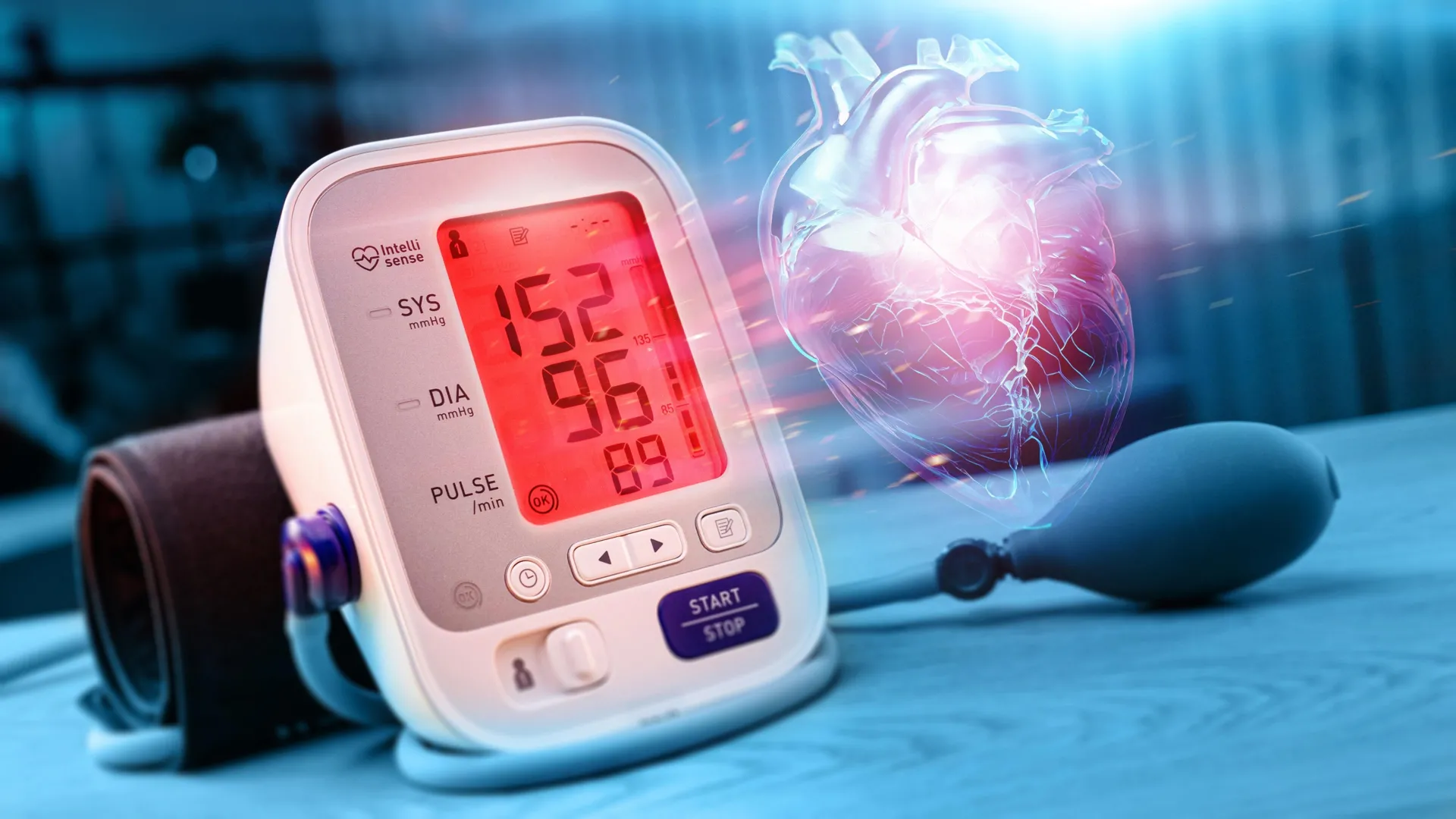
An 800-year-old Chinese exercise practice combining slow movements, controlled breathing, and meditation has proven as effective as brisk walking for lowering blood pressure, according to a major clinical trial published in JACC, the flagship journal of the American College of Cardiology. The study found that participants with stage 1 hypertension experienced significant blood pressure improvements within three months that continued for a full year.
The practice, called baduanjin, consists of eight structured movements that blend aerobic activity, flexibility training, isometric exercise, and mindfulness techniques. Unlike many exercise routines, baduanjin requires no equipment, gym membership, or extensive training, making it accessible to adults across different fitness levels and economic circumstances. A typical session lasts 10-15 minutes and can be performed in various settings, from parks to living rooms.
Researchers conducted the first large multicenter randomized clinical trial specifically examining baduanjin's effects on blood pressure, following 216 adults across seven communities for an entire year. Participants were at least 40 years old with systolic blood pressure readings between 130-139 mm Hg, classified as stage 1 hypertension under current medical guidelines. The study divided participants into three groups: baduanjin practice, self-directed exercise, or brisk walking.
Compared with self-directed exercise alone, people practicing baduanjin five days per week reduced their 24-hour systolic blood pressure by approximately 3 mm Hg and lowered office systolic blood pressure by 5 mm Hg after both three months and one year. According to lead researcher Dr. Jing Li, Director of the Department of Preventive Medicine at China's National Center for Cardiovascular Diseases, these reductions are comparable to results achieved with some first-line blood pressure medications.
The study's most significant finding was the sustained nature of the benefits, with participants maintaining blood pressure improvements throughout the year-long observation period. Dr. Li emphasized the practical implications: "Given its simplicity, safety and ease at which one can maintain long-term adherence, baduanjin can be implemented as an effective, accessible and scalable lifestyle intervention for individuals trying to reduce their blood pressure." The research also demonstrated that baduanjin produced safety outcomes and effectiveness levels comparable to brisk walking, offering an alternative for people who may have difficulty maintaining traditional exercise routines.