Revolutionary Blood Pressure Drug Shows Promise When Standard Treatments Fail
Baxdrostat reduces blood pressure by nearly 10 mmHg in patients with treatment-resistant hypertension, targeting hormone that causes salt retention.
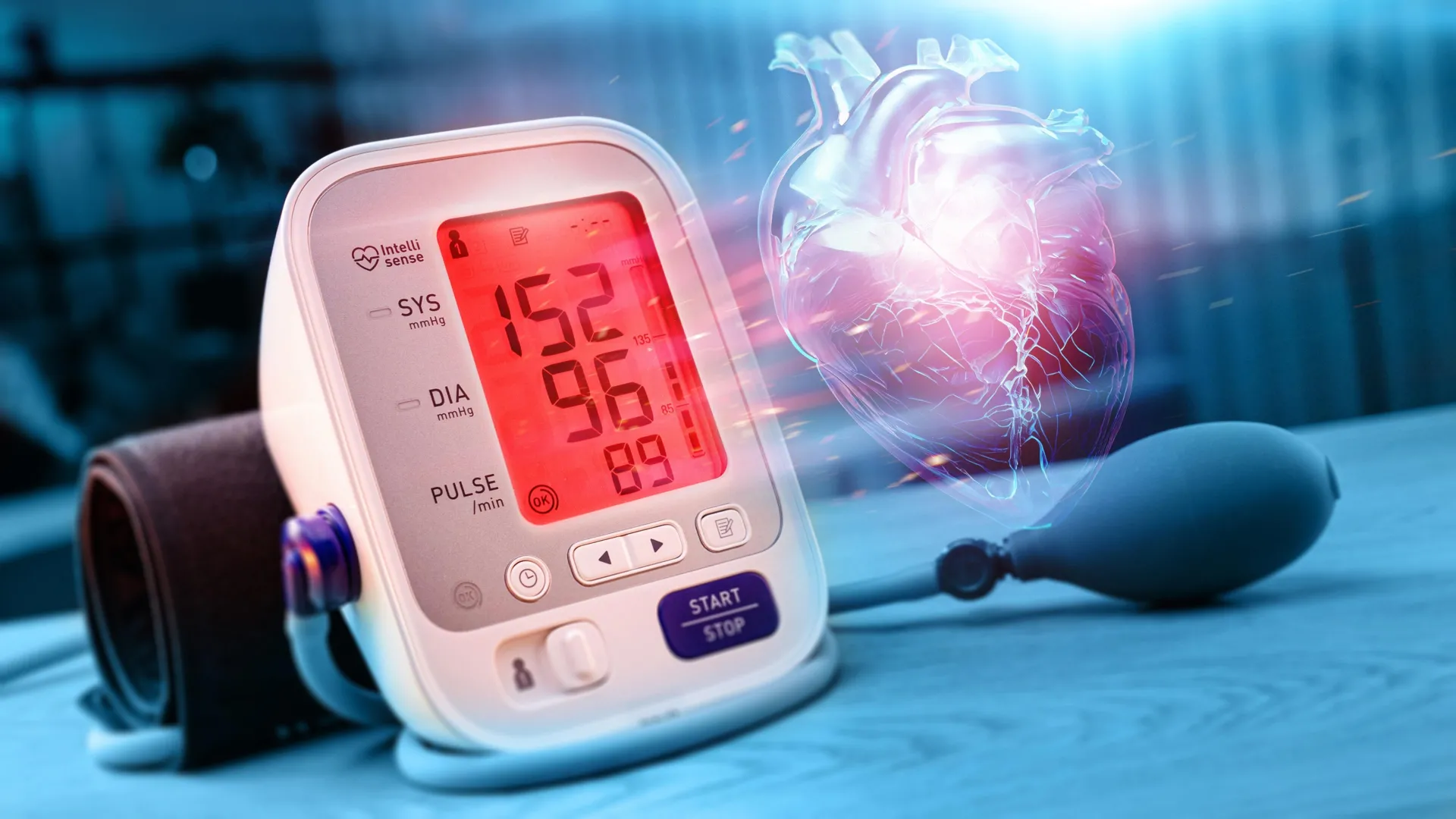
A new medication called baxdrostat has demonstrated significant effectiveness in lowering dangerously high blood pressure in patients who do not respond to existing treatments, according to results from a large international clinical trial. The Phase III study, involving nearly 800 patients across 214 clinics worldwide, showed that the drug achieved meaningful reductions that could substantially lower the risk of heart attack, stroke, and kidney disease.
High blood pressure affects approximately 1.3 billion people globally, with nearly half of cases remaining either uncontrolled or poorly responsive to current treatment options. In the United Kingdom alone, around 14 million people live with hypertension, making effective new treatments a critical public health priority. The condition significantly increases the risk of cardiovascular events and premature death when left unmanaged.
The BaxHTN trial, led by Professor Bryan Williams from UCL Institute of Cardiovascular Science and funded by AstraZeneca, tested baxdrostat in tablet form at doses of 1 mg and 2 mg taken once daily. After 12 weeks of treatment, patients experienced an average blood pressure reduction of 9 to 10 mmHg compared to those receiving placebo medication, a clinically significant improvement.
Approximately 40 percent of patients taking baxdrostat achieved healthy blood pressure levels during the study period, compared with fewer than 20 percent in the placebo group. This level of improvement is particularly notable given that all participants had previously failed to achieve adequate blood pressure control despite taking multiple existing medications.
Baxdrostat works by blocking the production of aldosterone, a hormone that regulates salt and water levels in the body. When aldosterone levels are excessive, the body retains too much salt and water, leading to elevated blood pressure that becomes difficult to control through conventional means. By directly targeting this hormonal pathway, the drug addresses a fundamental cause of treatment-resistant hypertension rather than merely managing symptoms.