800-Year-Old Chinese Exercise Lowers Blood Pressure as Effectively as Brisk Walking
Adults with stage 1 hypertension who practiced baduanjin saw meaningful drops in blood pressure within three months that lasted for an entire year.

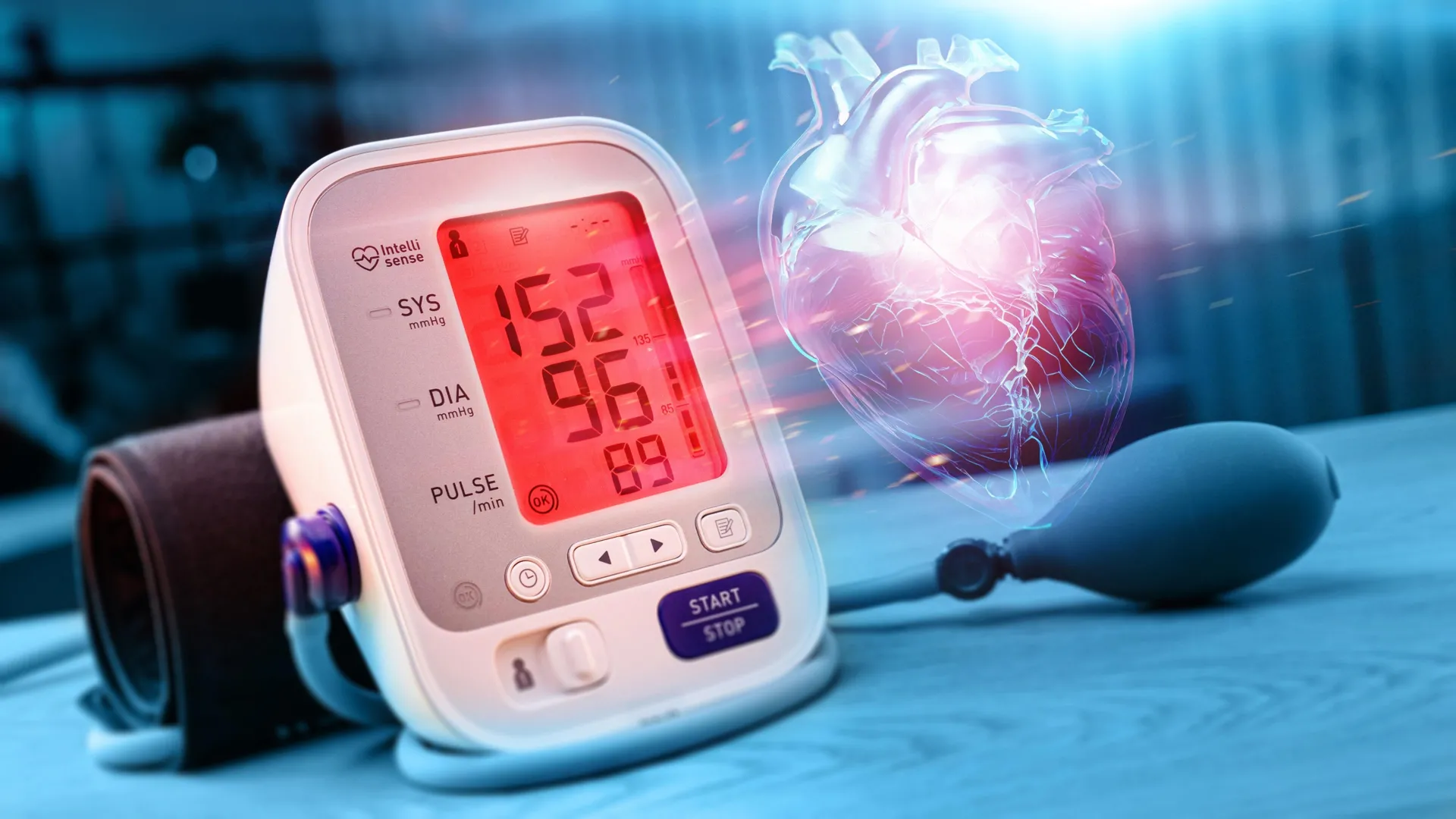
An ancient Chinese exercise practice that combines slow movements, controlled breathing, and meditation may help lower blood pressure as effectively as brisk walking, according to a large randomized clinical trial published in JACC, the flagship journal of the American College of Cardiology. The study followed 216 adults with stage 1 hypertension and found that participants who practiced baduanjin experienced improvements within three months that continued for a full year. The results suggest that this 800-year-old practice could offer a simple, accessible alternative for managing blood pressure without requiring gym memberships, special equipment, or intensive workouts.
Baduanjin is a traditional Chinese exercise made up of eight structured movements that combine aerobic activity, flexibility training, isometric exercise, and mindfulness. A typical session lasts about 10-15 minutes and has been practiced for centuries in China, commonly performed in parks and community settings. The exercises are considered low- to moderate-intensity, making them accessible and safe for many adults. "Given its simplicity, safety and ease at which one can maintain long-term adherence, baduanjin can be implemented as an effective, accessible and scalable lifestyle intervention for individuals trying to reduce their blood pressure," said Dr. Jing Li, senior author of the study and Director of the Department of Preventive Medicine at the National Center for Cardiovascular Diseases in Beijing.
Researchers conducted the first large multicenter randomized clinical trial specifically focused on how baduanjin affects blood pressure. Participants were at least 40 years old and had systolic blood pressure readings between 130-139 mm Hg, classified as stage 1 hypertension under current medical guidelines. They were divided into three groups for the yearlong intervention: baduanjin practice five days a week, self-directed exercise, or brisk walking. The study tracked changes in 24-hour systolic blood pressure at 12 weeks and again at 52 weeks to measure both short-term and long-term effects.
Compared with self-directed exercise alone, people practicing baduanjin lowered their 24-hour systolic blood pressure by about 3 mm Hg and reduced office systolic blood pressure by 5 mm Hg after both three months and one year. Researchers noted that these reductions are similar to results seen with some first-line blood pressure medications, making the findings clinically significant. The study also found that baduanjin produced results and safety outcomes comparable to brisk walking after one year, suggesting it could serve as an alternative for people who find traditional exercise programs difficult to maintain.
One of the most notable findings was that participants maintained the blood pressure benefits even without continued monitoring or supervision throughout the year-long study period. This suggests that baduanjin may be easier to incorporate into long-term lifestyle changes compared to more intensive exercise programs. High blood pressure remains one of the biggest preventable contributors to heart disease, and doctors often recommend regular physical activity to help manage it. The research on baduanjin provides evidence that gentle, mindful movement practices can be as effective as more vigorous exercise, potentially offering a solution for millions of people who struggle to maintain traditional fitness routines.