Scientists Discover Spice Synergy That Amplifies Anti-Inflammatory Effects 100-Fold
Research reveals everyday plant compounds like menthol and capsaicin can team up in immune cells to dramatically boost their healing power.

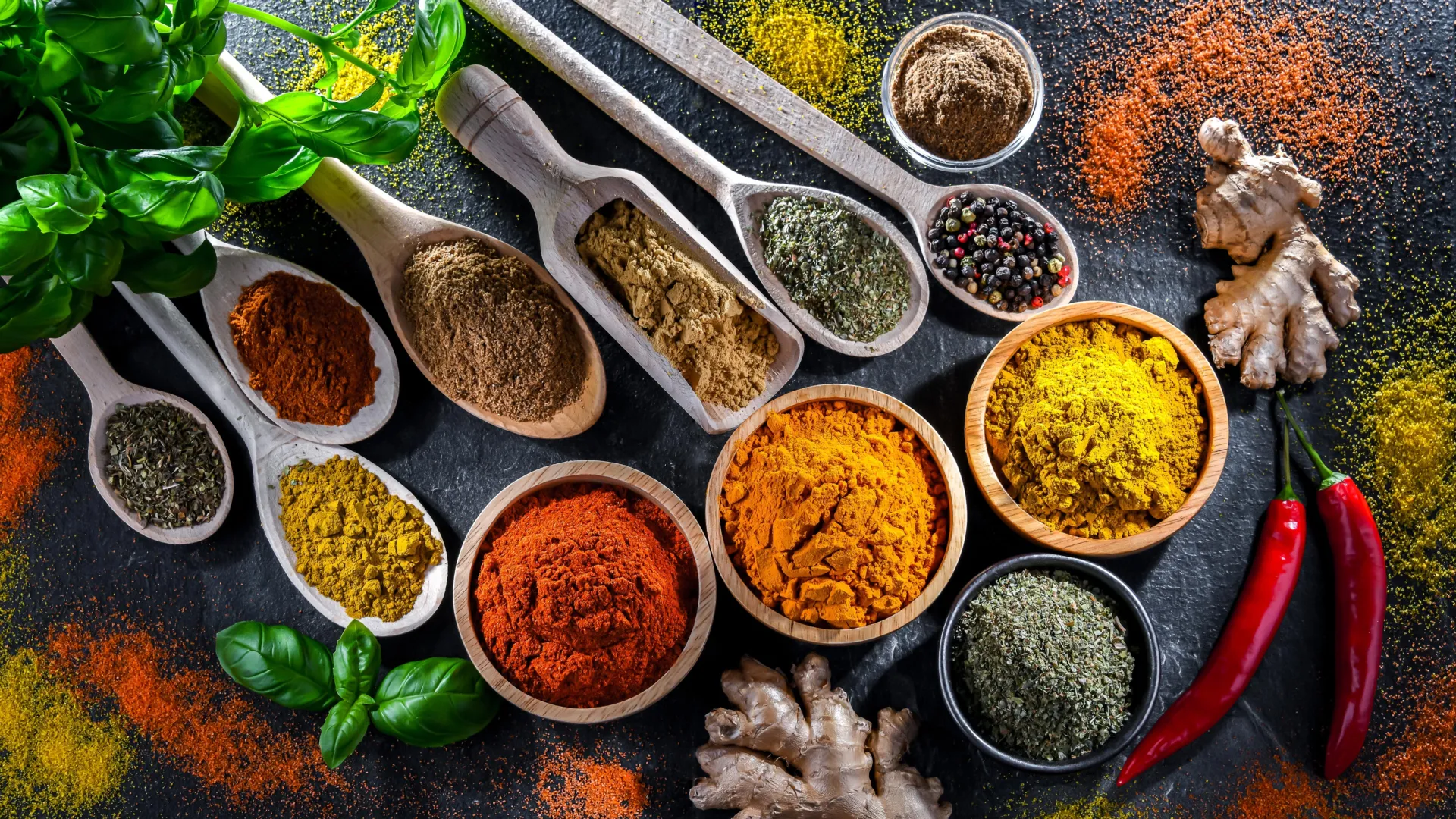
Scientists have made a groundbreaking discovery about how common plant compounds found in everyday spices and herbs can work together to create dramatically enhanced anti-inflammatory effects. Research conducted by Professor Gen-ichiro Arimura's team at Tokyo University of Science demonstrates that compounds like menthol from mint, cineole from eucalyptus, and capsaicin from chili peppers can amplify each other's anti-inflammatory properties by up to 100 times when combined, offering new insights into how traditional remedies may actually work at the cellular level.
Chronic inflammation operates quietly in the background of many serious health conditions, including type 2 diabetes, heart disease, obesity, arthritis, and cancer. This process is driven by immune cells that release chemical signals called cytokines to respond to injury or infection. While individual plant compounds have long been known to show anti-inflammatory effects in laboratory settings, they typically required concentrations far higher than what normal dietary intake could provide, leading scientists to question whether anti-inflammatory foods could truly influence the immune system in real-world conditions.
The research team focused on understanding how combinations of plant-derived compounds affect inflammation in macrophages, immune cells that play a crucial role in inflammatory responses. They tested menthol, 1,8-cineole, capsaicin, and β-eudesmol from hops and gingers both individually and in specific combinations. Using gene expression analysis, protein measurements, and calcium imaging, the scientists tracked how these treatments affected important inflammatory markers and investigated whether the compounds acted through transient receptor potential (TRP) channels.
The results revealed that while individual compounds showed modest anti-inflammatory effects, certain combinations produced synergistic results that were hundreds of times more powerful. The team discovered that different compounds activate separate cellular pathways simultaneously, creating a multiplicative rather than additive effect. This finding helps explain why traditional medicine systems have long combined multiple herbs and spices, suggesting that ancient practitioners may have intuitively discovered these synergistic relationships.
The research has significant implications for both understanding traditional medicine and developing new therapeutic approaches to chronic inflammation. The study suggests that the anti-inflammatory effects of plant-based diets may be far more powerful than previously recognized when foods are consumed in combination rather than isolation. This discovery could lead to new dietary recommendations and therapeutic strategies that harness these natural synergies to combat inflammatory diseases more effectively than current approaches.