144 Migrants Dead or Missing Off Mauritania After a Boat Drifted for 25 Days
The U.N. refugee agency says a vessel that left Gambia bound for Spain's Canary Islands ran out of fuel and was stranded at sea for more than three weeks on one of the world's deadliest routes.
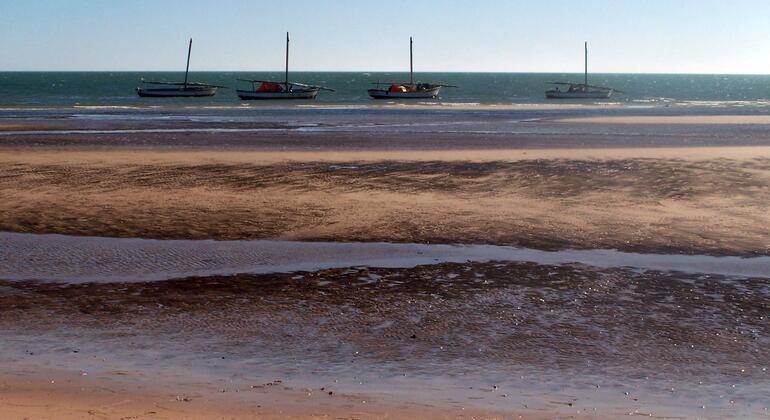
At least 144 migrants and refugees are dead or missing following a series of maritime disasters off the coast of Mauritania, the United Nations refugee agency said Tuesday, in one of the deadliest weeks yet on the perilous Atlantic route toward Europe.
The worst single incident involved a boat carrying roughly 160 people that had departed from Gambia bound for Spain's Canary Islands. The vessel ran out of fuel and drifted for about 25 days — more than three weeks stranded on the open ocean — before help arrived, according to UNHCR. Only 37 people were rescued alive; one body was recovered and 122 others remain missing and are presumed dead.
The tragedies unfolded between July 14 and 18, during which UNHCR, national authorities and humanitarian partners carried out three separate disembarkations that brought 387 people safely ashore. But the scale of the losses underscored how routinely the crossings turn fatal. The agency described the toll as a consequence of "long distances, unpredictable ocean conditions, unseaworthy and overcrowded boats and limited access to timely rescue."
The Atlantic corridor linking the West African mainland to the Canary Islands has become one of the deadliest migration routes in the world. As European nations have tightened enforcement along Mediterranean crossings, growing numbers of migrants have attempted the far longer and more dangerous Atlantic passage, often in wooden fishing boats ill-suited to the journey. Many of those aboard are fleeing conflict, poverty and climate-driven hardship across the Sahel and West Africa.
Aid organizations have repeatedly warned that search-and-rescue capacity along the route is grossly inadequate, leaving vessels to founder for days or weeks beyond the reach of coast guards. The 25-day ordeal of the Gambian boat — long enough for those aboard to die of dehydration, hunger and exposure before rescuers found it — has become a searing example of that gap.
Mauritania has become a principal departure point for the Atlantic crossing, its long coastline and proximity to the Canaries drawing travelers from across West Africa and beyond. Local authorities, often under-resourced, have struggled to patrol the waters or to process the survivors who do make it back to shore. Aid workers describe a grim, repeating cycle: overcrowded boats set out under cover of night, smugglers collect their fees, and the sea does the rest.
The U.N. renewed its appeal for expanded rescue operations and for safe, legal pathways that might reduce the demand for smuggling networks. Officials noted that the deaths off Mauritania are almost certainly an undercount, as an unknown number of boats vanish without a trace, their passengers never recorded. "Every one of these numbers is a person with a name and a family," a UNHCR spokesperson said, urging governments not to let the crossings fade into background noise.