More Than 178,000 Immigrants Have Fled or Been Deported From South Africa Since May
Zimbabwe Alone Took Back 115,000.
A crackdown on undocumented migration and a wave of anti-immigrant protests built around a June 30 'deadline' have produced one of the largest sudden migrant exoduses the continent's richest economy has seen.
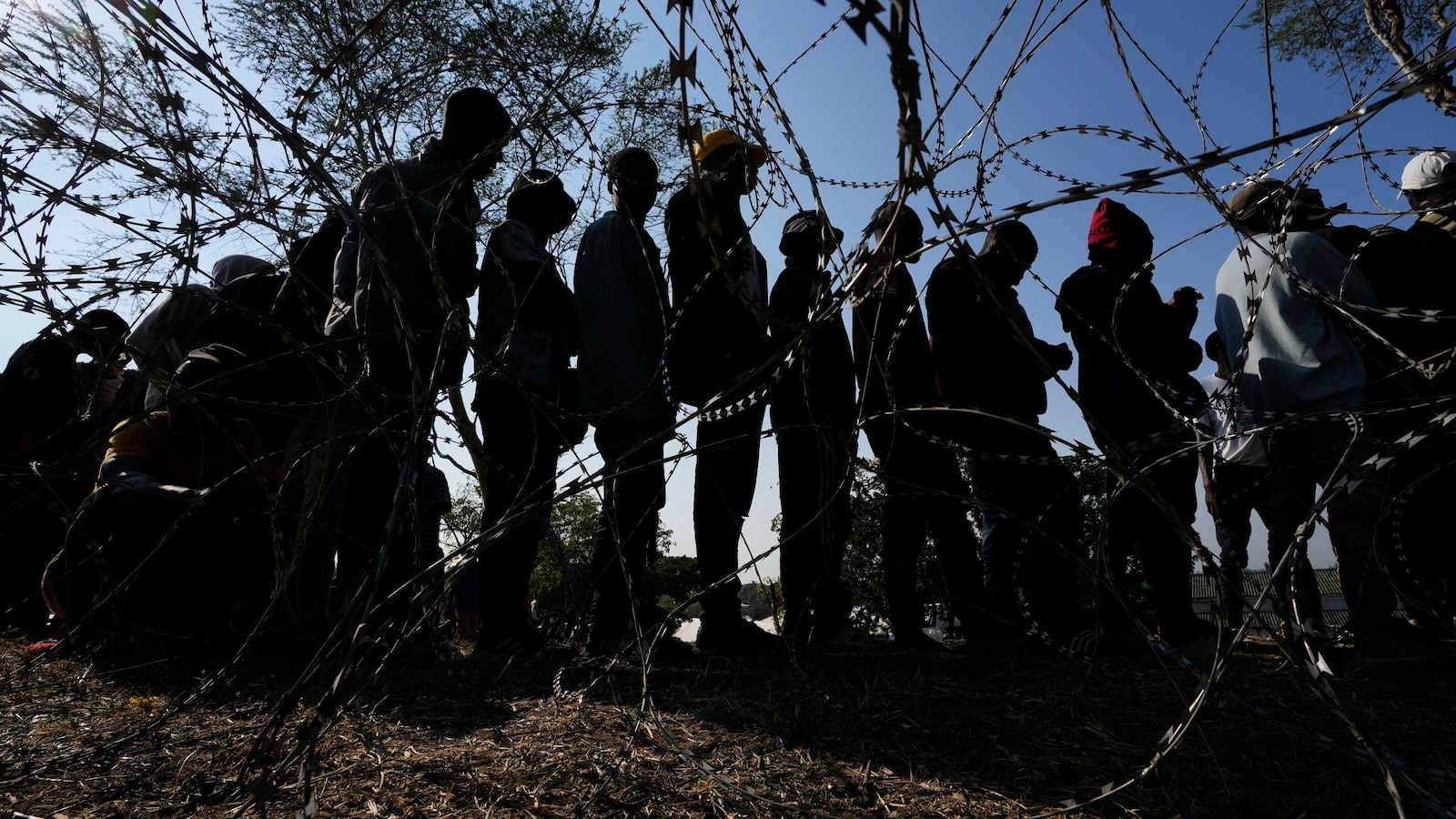
More than 178,000 immigrants have left South Africa in the space of about three months, driven out by a government enforcement campaign and by street protests that told them to go, according to figures compiled from the governments of the countries receiving them.
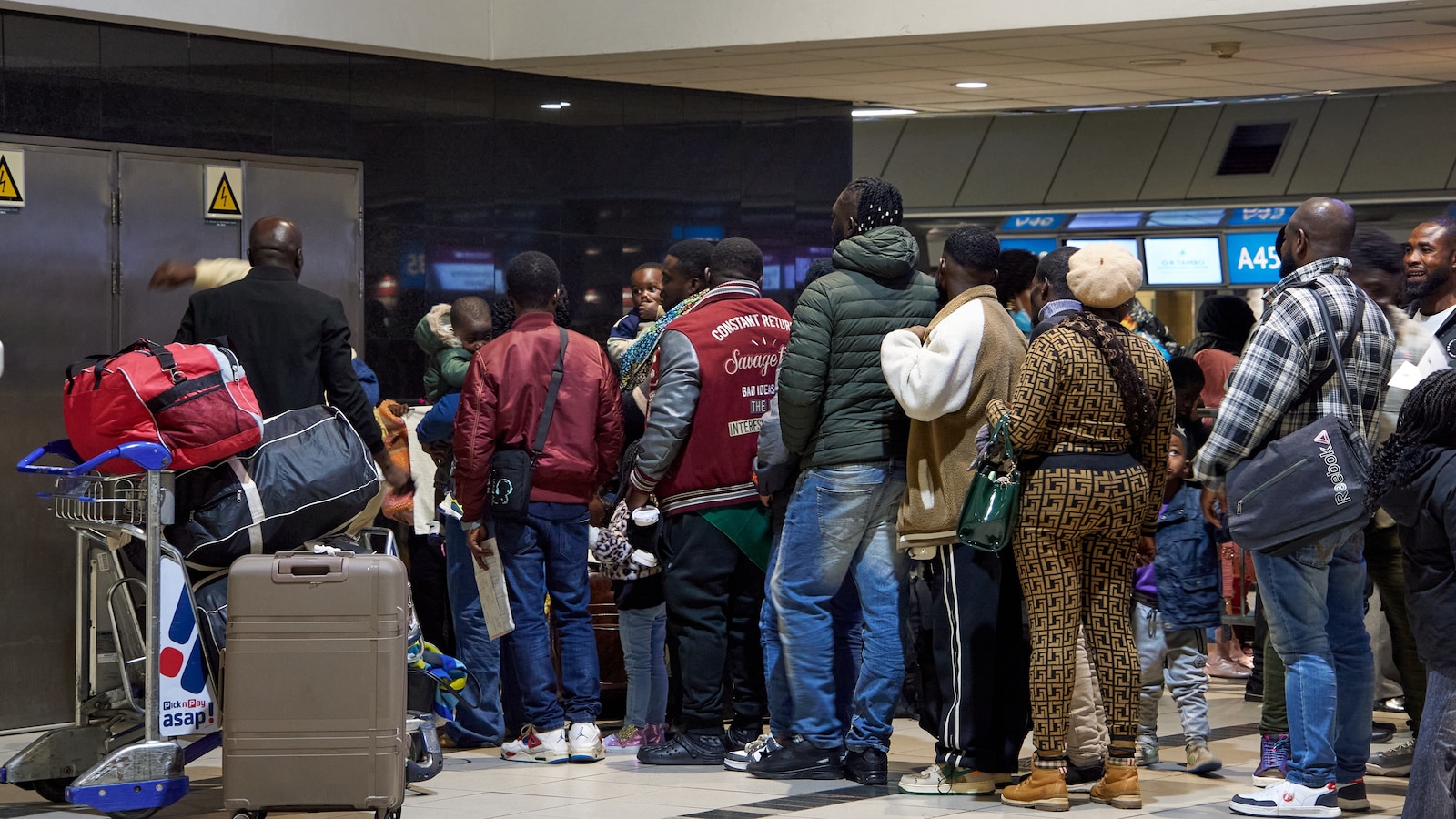
Zimbabwe says more than 115,000 of its citizens have returned since late May. Malawi puts its number above 56,000. Nigeria, Ghana, Mozambique and Lesotho have each reported more than 1,000 citizens coming home from South Africa. Only a fraction of the movement is formal removal: South African authorities have carried out roughly 19,000 official deportations since April, with about 3,000 more people held at a detention center outside Johannesburg awaiting removal. The rest left on their own, ahead of the state.
Two forces converged. The first was an intensified crackdown on undocumented migration by South African authorities, including workplace raids and document checks. The second was a series of anti-immigration demonstrations, some of them violent, that culminated in a nationwide protest day on June 30 that organizers framed as a deadline for people without papers to leave the country. Protesters argued that undocumented migrants strain jobs, clinics and schools in a country where unemployment has hovered near 32%. South Africa's 2022 census counted about 2.4 million foreign nationals in a population of roughly 62 million — under 4%.
The exodus has hit children hardest. Malawi reported that nearly 4,000 of its returnees were under the age of 5. The Exemption Permit Coordinating Committee, a Zimbabwean nongovernmental group, estimated that more than 11,000 children had crossed back by mid-July. UNICEF and the United Nations Committee on the Rights of the Child said in a joint statement that they were deeply concerned about children caught in the returns, citing heightened risks of violence, exploitation, family separation and psychological distress. At the Beitbridge crossing on the Zimbabwean side of the border, Doctors Without Borders set up clinic tents to treat people arriving traumatized and, in many cases, cut off mid-course from HIV and other chronic medications.
Governments in the region have accused South Africa of failing to protect their nationals. Mozambique says 11 of its citizens were killed in attacks in South Africa. Nigeria and Ghana have also reported deaths. South African officials dispute the tallies, attributing some of the killings to ordinary robbery-related crime rather than xenophobic violence. Ghana pushed to put the issue on the African Union's agenda; South Africa blocked that move and instead proposed a broader continental discussion of migration.
President Cyril Ramaphosa has condemned the violence while conceding that enforcement has failed, promising new border technology, dedicated immigration courts and stiffer penalties for employers who hire undocumented workers. That combination — official condemnation paired with a promise of harder enforcement — is the same posture South African governments have adopted after previous anti-immigrant waves in 2008, 2015 and 2019. What is different this time is the scale and the speed: a six-figure population movement completed in roughly a hundred days, largely without anyone formally ordering it.