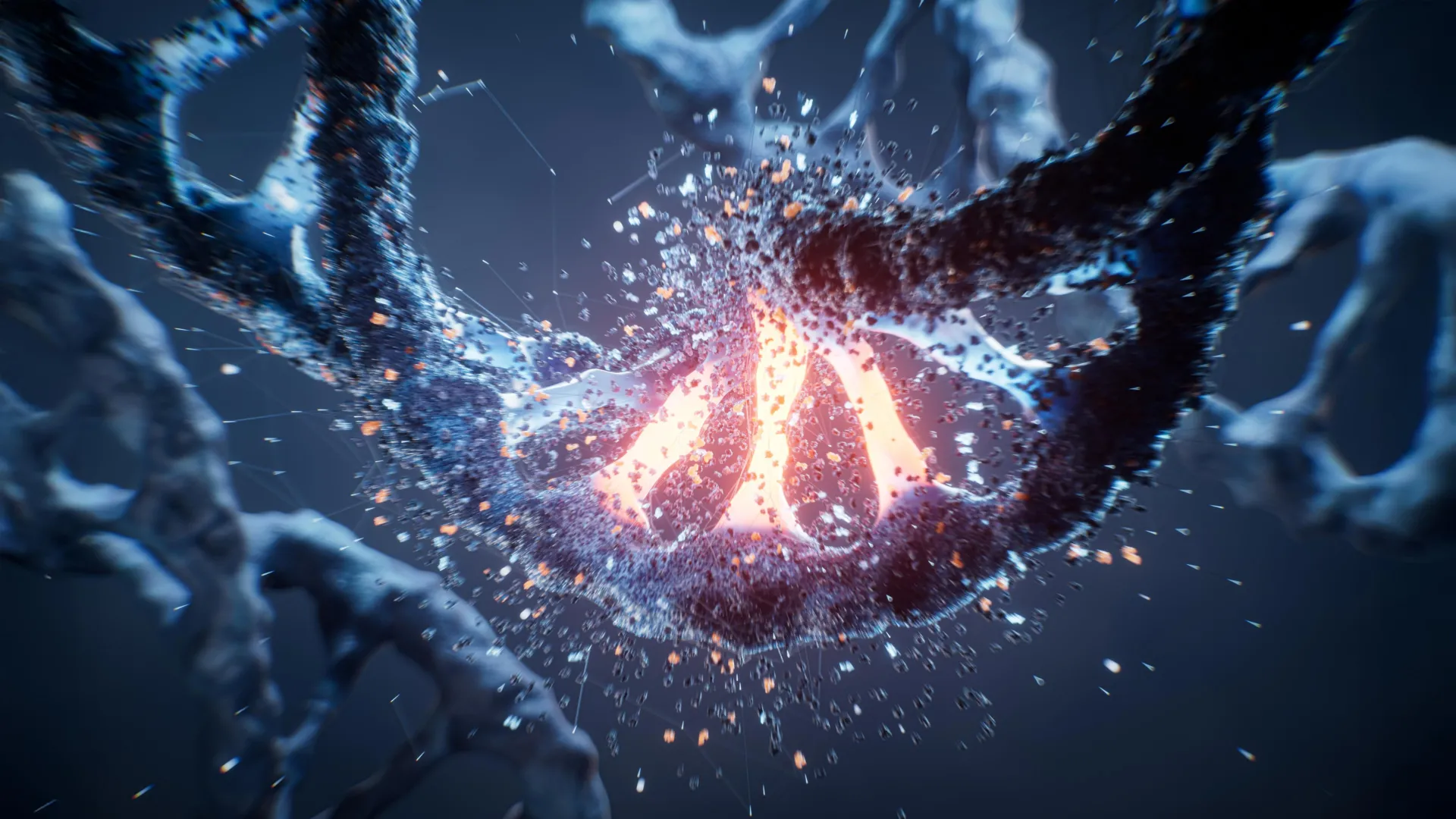
Kvantify Quantum Run Matches Gold-Standard Chemistry on a DNA Interaction
A Danish team used Quantinuum hardware to model the weak forces that stack DNA bases, and says the result is an accuracy benchmark, not proof of quantum advantage.
Topic
10 stories from Planck Standard. Latest: November 22, 2026.

A Danish team used Quantinuum hardware to model the weak forces that stack DNA bases, and says the result is an accuracy benchmark, not proof of quantum advantage.

Adding flexible DNA to a lab-built 'active fluid' of protein tubes and molecular motors tangled the chaos into a network that organizes flow across the whole sample.

A new method called TRACE detected a "ghost" lineage that split from us 800,000 years ago and left about 1% of the modern genome, plus a second, far older population inherited through the Denisovans.

Indian researchers found 32 color patterns in a single new species, Theridion himalayana, whose grinning markings evolved entirely separately from its celebrated Pacific look-alike.

Kyoto University researchers report in Nature that migrating neurons suffer double-strand DNA breaks as they squeeze through developing tissue, a hidden hazard of brain construction.

Genomes from across Oceania reveal that interbreeding with at least three Denisovan groups left gene variants that still shape how people fight infection today.

A routine experiment with single-cell DNA sequencing revealed a microscopic pond organism that rewrites how genes signal their end, challenging fundamental assumptions about genetic translation.

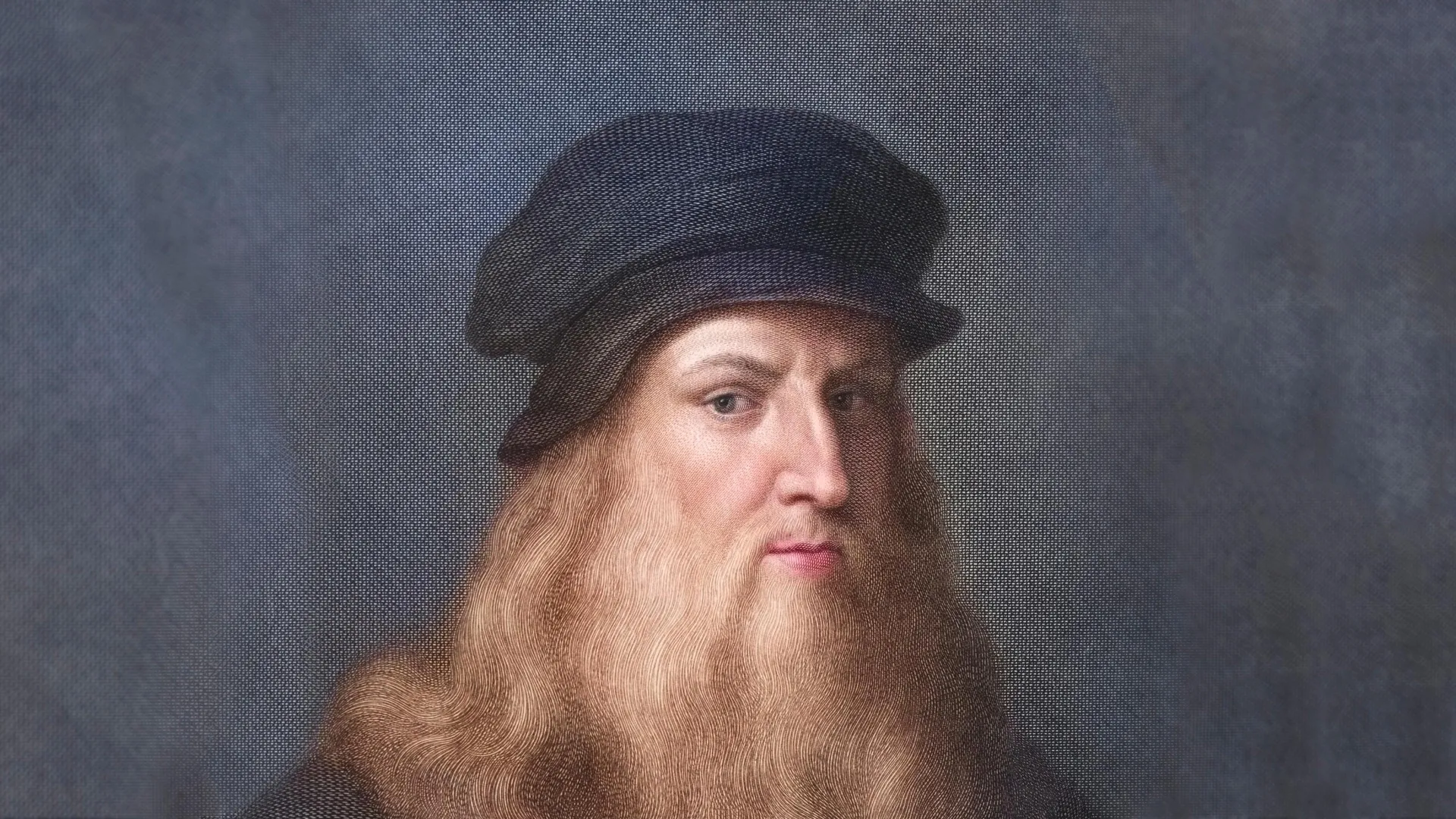
Massive genealogical effort traces family across 21 generations while excavations at ancient tomb could provide Renaissance master's genetic profile.

Researchers reveal how cells detect and suppress inefficient genetic instructions through a protein called DHX29.

A Northwestern University-led team mapped over 140,000 chromatin loops across multiple cell types, showing that the physical folding of DNA — not just its sequence — determines which genes are active.