Viktor Orban Openly Courts Russian Support as Hungary Prepares for Critical Election
Hungarian Prime Minister makes hostility toward Ukraine centerpiece of campaign while Moscow signals determination to repay the favor.
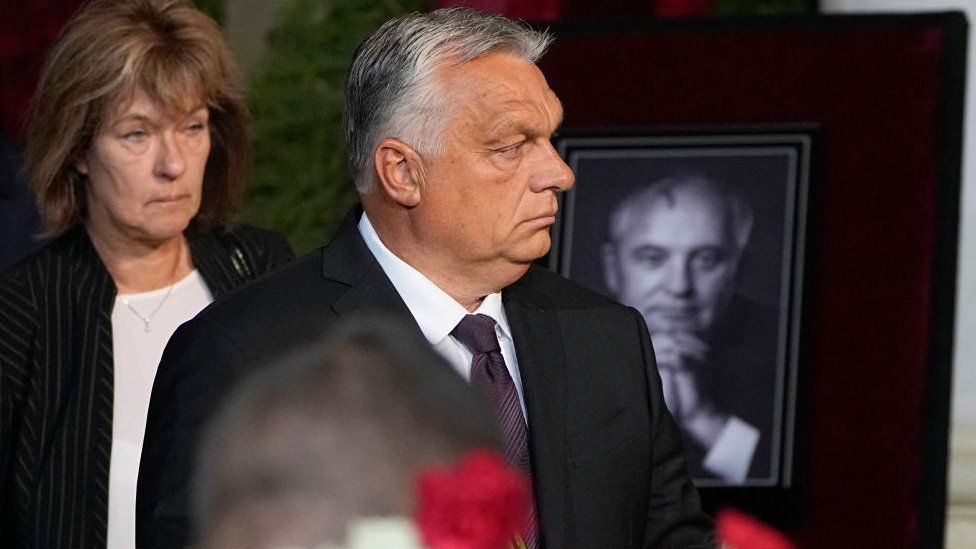
Hungarian Prime Minister Viktor Orban has transformed opposition to Ukraine into the central theme of his reelection campaign, openly courting Russian support in a move that highlights the increasingly brazen nature of Moscow's influence operations in European politics. Rather than hiding potential Russian connections, Orban's government appears to be embracing them as electoral assets, marking a significant departure from traditional European political norms.
Orban's anti-Ukraine stance has become more pronounced as Hungary approaches its critical election, with the prime minister consistently blocking European Union aid packages and opposing sanctions against Russia. His government has maintained that Hungary must prioritize its own economic interests over supporting Ukraine's resistance to Russian invasion, a position that aligns closely with Moscow's preferred narrative about the conflict. This approach has isolated Hungary within NATO and the European Union but appears designed to appeal to Hungarian voters concerned about energy costs and economic stability.
Moscow's support for Orban represents a clear departure from more subtle influence campaigns typically employed in Western democracies. Russian officials and state media have made little effort to conceal their preference for Orban's continued leadership, viewing his government as a crucial ally within the European Union and NATO. This open relationship suggests that Russia sees significant strategic value in maintaining a friendly government in Budapest, particularly given Hungary's position within key Western institutions.
The Hungarian election is being closely watched by European leaders who view Orban's relationship with Russia as a test case for democratic resilience in the face of authoritarian influence. European Union officials have expressed concern that a successful Russian intervention in Hungarian politics could provide a template for similar operations in other member states. The open nature of Russian support for Orban has surprised many observers who expected more subtle influence operations.
Orban's willingness to embrace Russian support reflects his calculation that Hungarian voters are more concerned about immediate economic pressures than about geopolitical alignment with Western allies. His campaign has emphasized the costs of supporting Ukraine while portraying his government as defending Hungarian sovereignty against European Union pressure. This strategy represents a significant gamble that could either secure his political survival or isolate Hungary further from its traditional allies, with implications extending far beyond Hungary's borders to the broader question of Russian influence in European democracy.