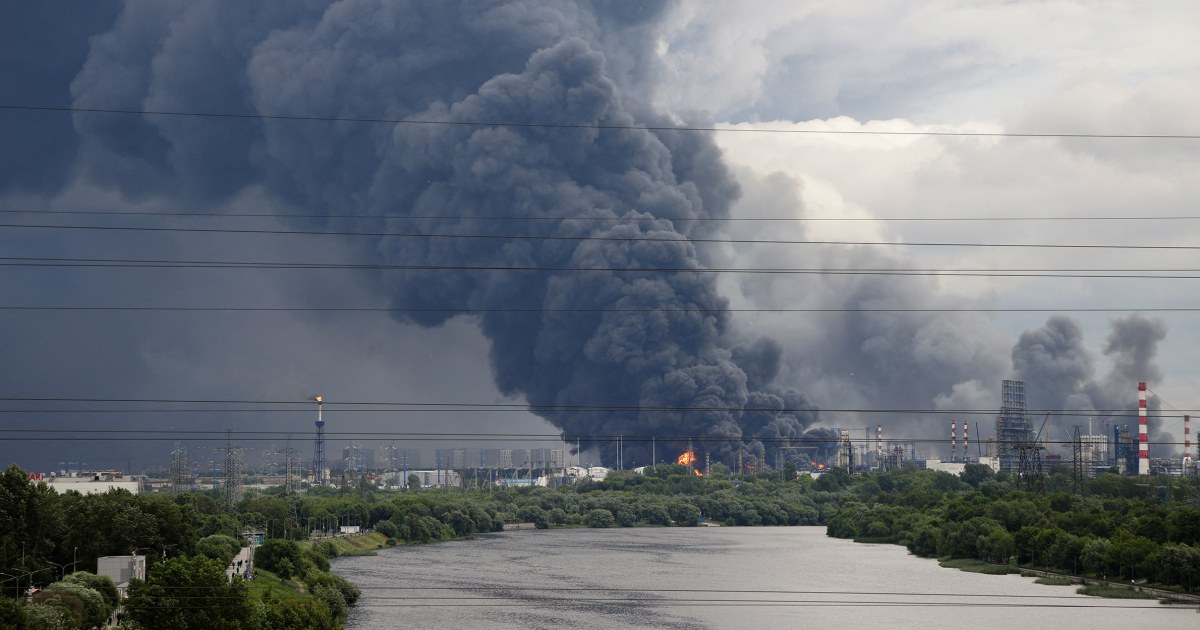
Ukrainian Drones Set the Ryazan Refinery Burning and Kept Rostov's Air Defenses Firing for Four Hours
Ukraine's General Staff says the overnight raid also hit an airfield, a radar station and two Pantsir-S1 systems in Rostov Oblast. It came during a pause both sides had agreed to observe over their capitals.
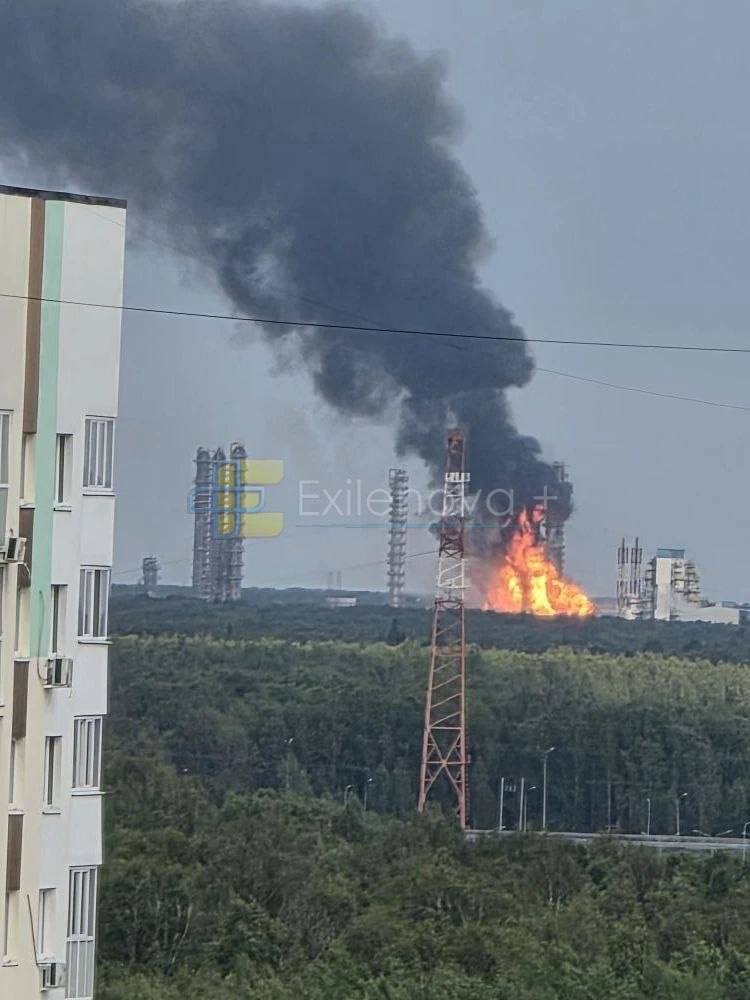
Ukrainian drones reached deep into western Russia overnight into Sunday, setting a fire at the Ryazan oil refinery and keeping air defenses over Rostov-on-Don firing for about four hours, according to Ukrainian and Russian accounts of the raid.
Ryazan is one of Russia's largest refineries and one of Ukraine's most frequently revisited targets, roughly 180 kilometers southeast of Moscow. Monitoring channels reported a fire at the plant after the strike. Analysts tracking the damage said the drones went after the Isomal-2 isomerization unit, a piece of equipment that reworks pentane and hexane fractions at low temperature to raise the octane of the gasoline blend. It is not the biggest unit on the site, but it is one of the ones a refinery cannot easily run around.
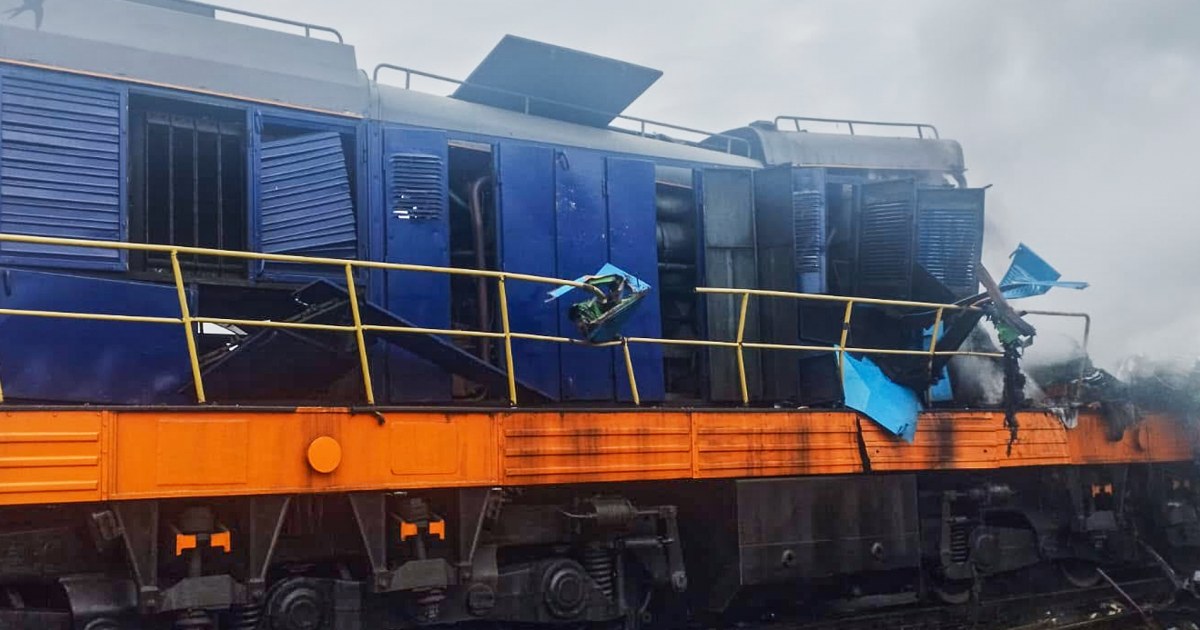
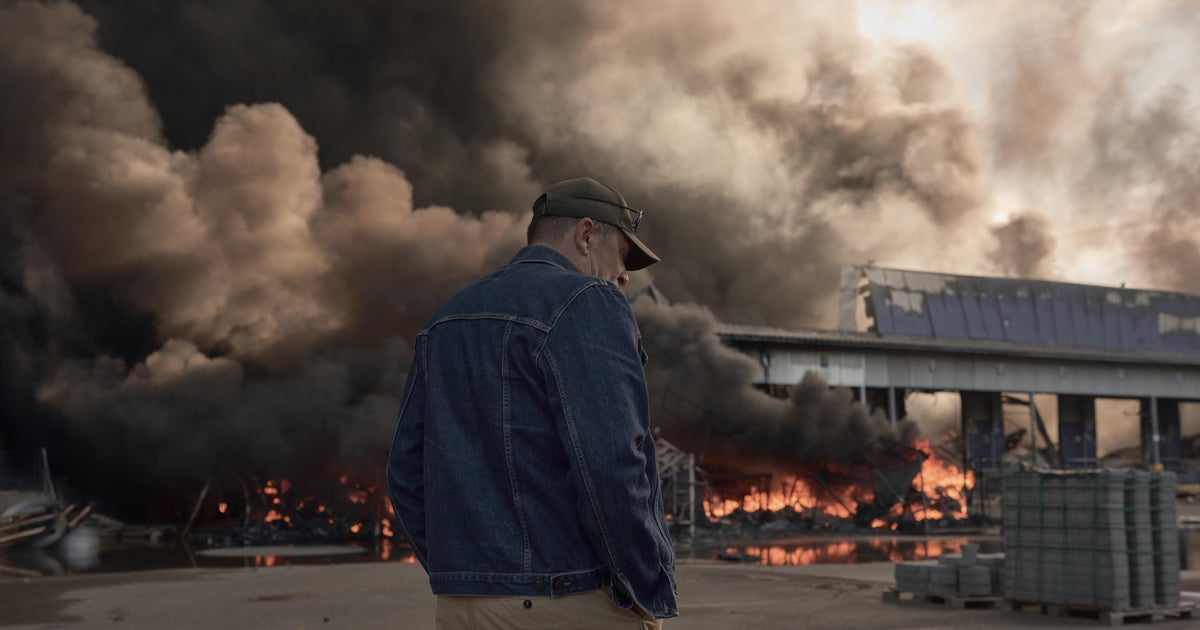
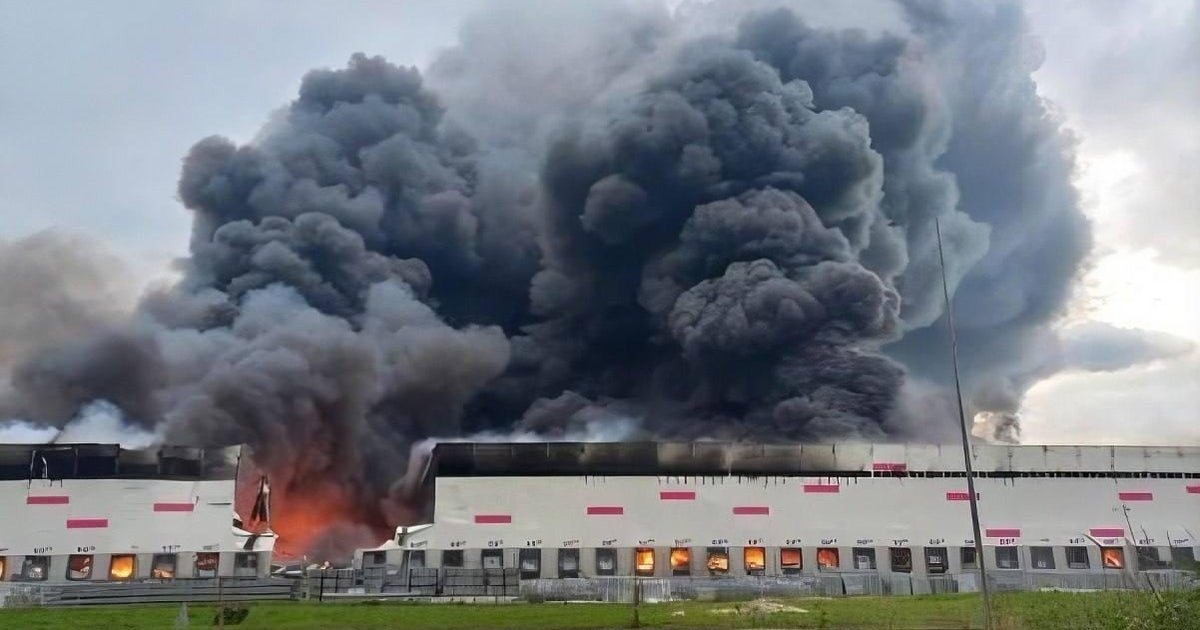
Ukraine's General Staff separately confirmed strikes in Rostov Oblast against an airfield, a radar station and two Pantsir-S1 air defense systems. Russian regional officials said air defenses engaged roughly three dozen drones over the oblast and claimed a number were shot down. Eyewitnesses in Rostov-on-Don described drones circling and anti-aircraft fire continuing for about four hours. Governor Yuri Slyusar said three residential buildings were damaged in the city and that one child was hospitalized.
The timing is the awkward part. The raid came during a period in which Kyiv and Moscow had agreed to hold off on aerial attacks against each other's capitals while U.S. envoys Steve Witkoff and Jared Kushner shuttled between them with a proposal to end the war. That understanding covered capitals, not refineries or military infrastructure, and both militaries have gone on hitting everything outside the narrow carve-out. Russian strikes elsewhere in Ukraine over the same period have continued to kill civilians, including a family in Kharkiv Oblast.
Ukraine's refinery campaign has become the most measurable part of its war effort. Russia's crude production is constrained less by sanctions than by its ability to process and move the output, and repeated damage to distillation, isomerization and blending units has forced periodic export halts and domestic fuel rationing in Russian regions. Each strike is comparatively cheap; each repair requires equipment that Western sanctions make hard to buy.
Rostov-on-Don is a different kind of target. It is a city of roughly a million people, the logistics hub behind Russia's southern front and the headquarters city of the Southern Military District, which means the airfield, the radar and the Pantsir batteries Ukraine's General Staff listed are all part of the same apparatus that supports operations in occupied Ukraine. Four hours of continuous air defense fire over a regional capital is also its own message, and one Russian officials cannot easily suppress when residents are filming it from their balconies.
The strikes also arrive as the negotiating track shows its first real motion in months. Witkoff and Kushner emerged from Moscow describing the talks as "very meaningful," and the pause over the capitals was the first concrete thing either side had agreed to in weeks. Neither side, in the meantime, has stopped flying.