Uganda's Parliament Voted to Send Soldiers to Gaza. The First Question Lawmakers Asked Was Who Pays
Uganda joins Morocco, Kazakhstan, Kosovo, Indonesia and Albania in pledging troops to the 20,000-strong International Stabilization Force proposed by Trump's Board of Peace — a force that has struggled for six months to find soldiers.
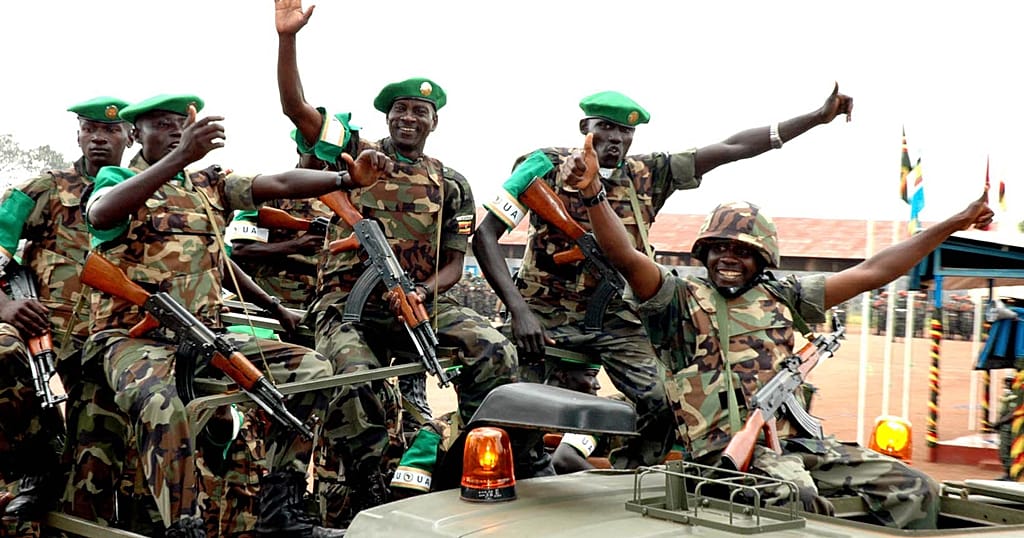
Uganda's parliament voted Thursday to authorize the deployment of Ugandan soldiers to Gaza as part of the international force being assembled to secure the territory after the war between Israel and Hamas, making the East African country the newest and one of the few contributors to a mission that has spent six months searching for troops.
The International Stabilization Force was proposed in February by the Board of Peace, the body created under President Donald Trump's ceasefire framework. It is designed to number 20,000 personnel and is to be commanded by U.S. Major General Jasper Jeffers, who said in May that the force would ensure "future prosperity and enduring peace" in Gaza. Deployment is meant to follow the completion of Israel's phased withdrawal.
Finding countries willing to send soldiers has been the hard part. Uganda joins Morocco, Kazakhstan, Kosovo, Indonesia and Albania on the list of nations that have pledged troops — six countries for a force meant to hold 20,000. Trump's emissaries approached President Yoweri Museveni in July to ask for a Ugandan contribution, and the parliamentary vote followed in early August. The government has not said how many soldiers it intends to send.
The debate on the floor was not celebratory. Lawmaker Enos Asiimwe pressed the government on the economics of the deployment: "We also need to know the funding of this force. Who is going to fund our stay in Gaza?" Opposition members questioned what Uganda was receiving in exchange for the commitment, and the government's rationale for volunteering was not made explicit during the session.
Defence Minister Kiryowa Kiwanuka argued the case on capability rather than motive, pointing to Uganda's long record of peacekeeping deployments in Somalia, where the Uganda People's Defence Force has operated under African Union command since 2007 and has taken heavy casualties. That experience, he said, demonstrates the country can handle a mission of this kind.
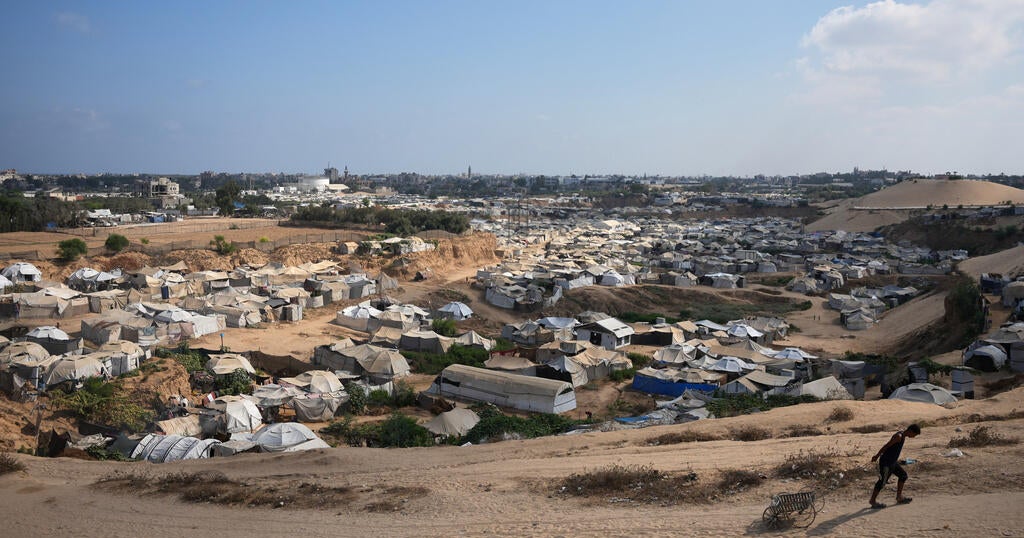
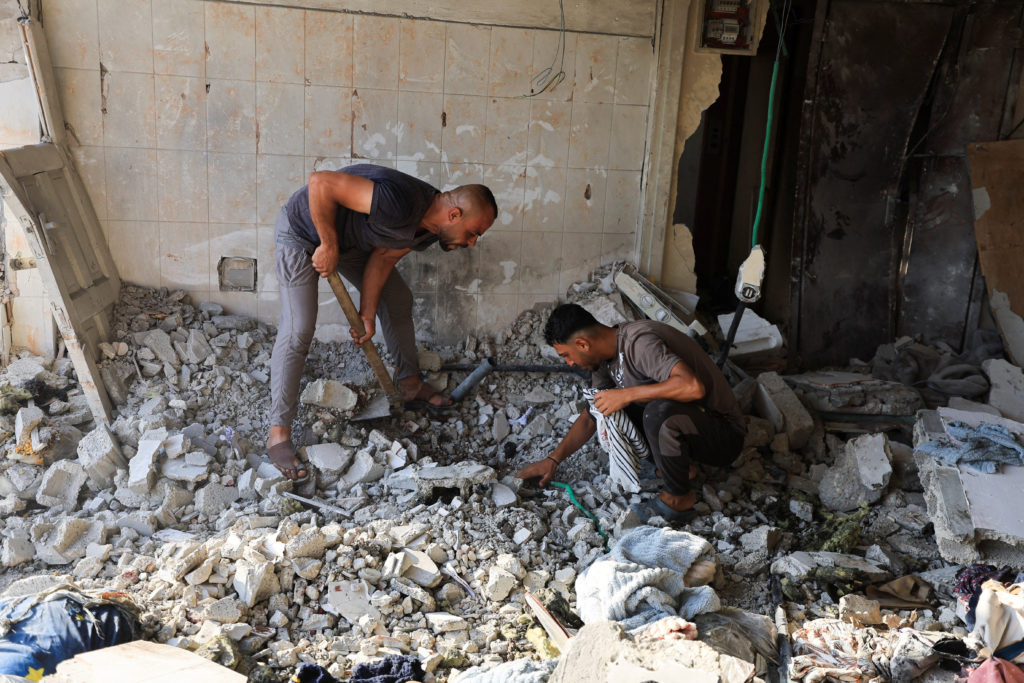
The conditions the force would enter remain violent. Since the ceasefire agreement reached in October, 1,250 people have been killed in Gaza as Israeli operations resumed despite the deal, according to figures cited in the debate — a reality that has made governments reluctant to commit soldiers to an arrangement whose rules of engagement, funding and duration have not been settled publicly.
For Uganda, the deployment carries the same calculation that has shaped its Somalia mission for nearly two decades: peacekeeping is a source of foreign revenue, training and diplomatic standing, and it is also a source of coffins. The parliamentary vote settles the authorization. It does not settle the questions the lawmakers raised.