Trump Says He'd Work With Democrats to Cap Credit Card Interest Rates
The president told Fox News he would back a cap, reviving a 2024 campaign promise that stalled under a Republican Congress. Sen. Elizabeth Warren, the likely next Banking chair, says she's ready.

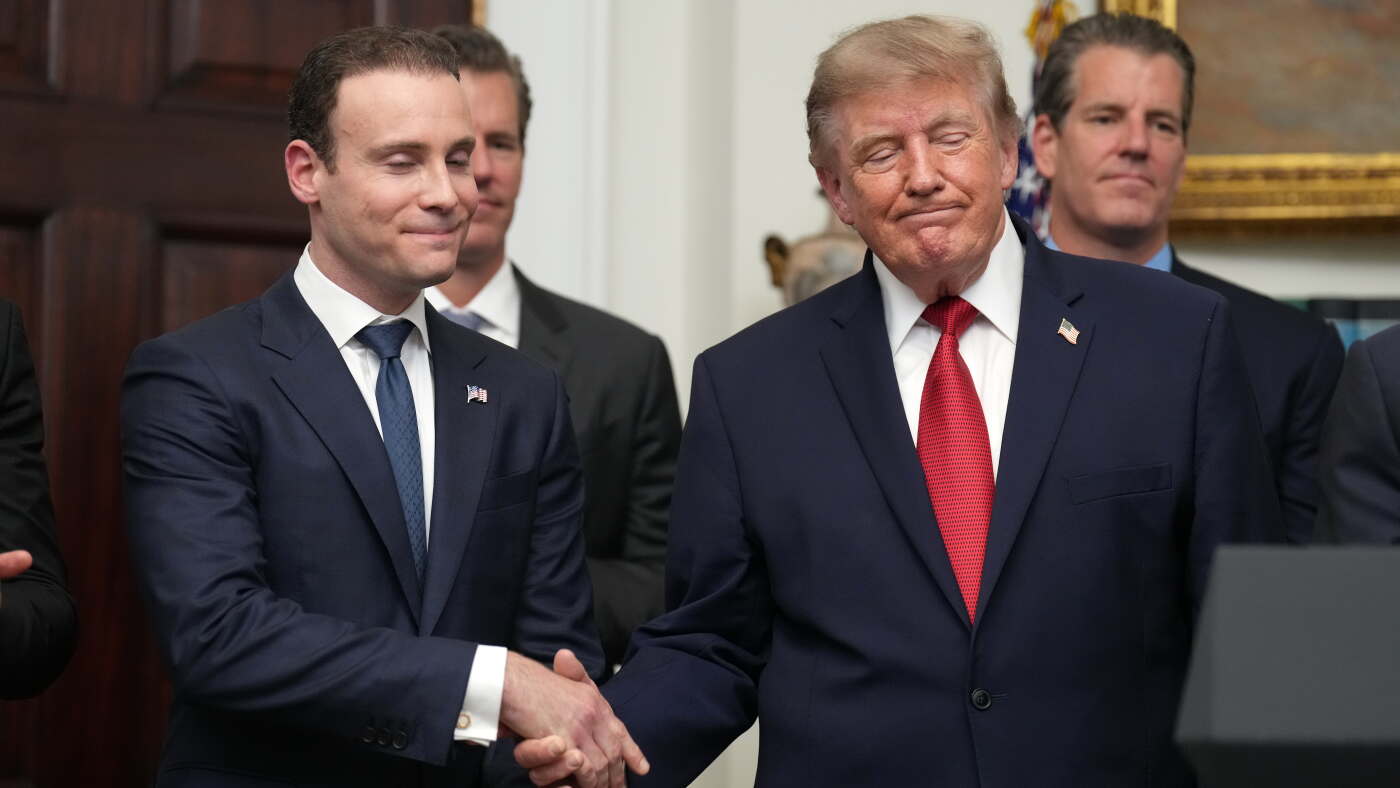
President Trump said he would work with the incoming Democratic Congress to cap credit card interest rates, hoping to deliver on a promise he made on the 2024 campaign trail but could not fulfill because of industry pressure and a lack of interest from fellow Republicans.
"I would do it. These credit card companies have made a lot," Trump told Fox News Channel's "Saturday in America."
Democrats and the Republican president have both backed capping rates, with the standard proposal setting the ceiling at 10%. That would substantially cut what card companies can charge. The median credit card interest rate is roughly 22.2%, according to an August survey by the New York Federal Reserve. On a $5,000 balance, a 10% rate would mean about $42 a month in interest, compared with about $100 a month at today's average rate of 22%.
Trump proposed the cap in January as part of the White House's affordability push. Banks and card issuers immediately and aggressively opposed it, arguing that a cap would force them to cancel cards for poorer and less creditworthy customers or sharply cut the rewards they offer. The idea also did not sit well with Republicans, and the GOP-controlled Congress made little effort to act on it.
That could change now that Democrats will control both the House and Senate. Sen. Elizabeth Warren of Massachusetts, who is expected to chair the Senate Banking Committee, has said repeatedly that she wants to cap rates. Responding to the Fox interview, Warren said: "Let's cap credit card interest rates and save Americans money." She told CBS News in January that she believed Congress could work with Trump on a cap.
Researchers who studied Trump's pledge after it was first announced found that Americans would save roughly $100 billion a year in interest if rates were capped at 10%. The same researchers found the industry would take a major hit but would remain profitable, though rewards and other perks might be scaled back.
The stakes are large. About 195 million people in the United States held credit cards in 2024 and were charged $160 billion in interest, according to the Consumer Financial Protection Bureau. Americans are also carrying more card debt than ever, about $1.23 trillion according to New York Fed figures for the third quarter of last year.
An agreement between a Republican president and a Democratic Congress on a consumer-finance issue would be unusual in a divided Washington, and it would set up a fight with one of the most powerful lobbies on Capitol Hill. Whether Trump's public support turns into a signed bill will depend on whether he is willing to press Republicans who have so far kept their distance, and on whether Democrats take the offer or treat it as a political trap.