The Trump Administration Is Preparing Its Largest-Ever Sale of 2,000-Pound Bombs to Israel: 40,000 of Them for $2.8 Billion, Paid For With U.S. Taxpayer Money. Biden Had Paused the Same Weapons Over Civilian Deaths in Gaza.
The package of 20,000 Mk-84s and 20,000 BLU-117s has been informally notified to Congress and would dwarf last year's $2.04 billion deal. It comes with a fragile ceasefire in Gaza still nominally in place and Israeli strikes continuing.
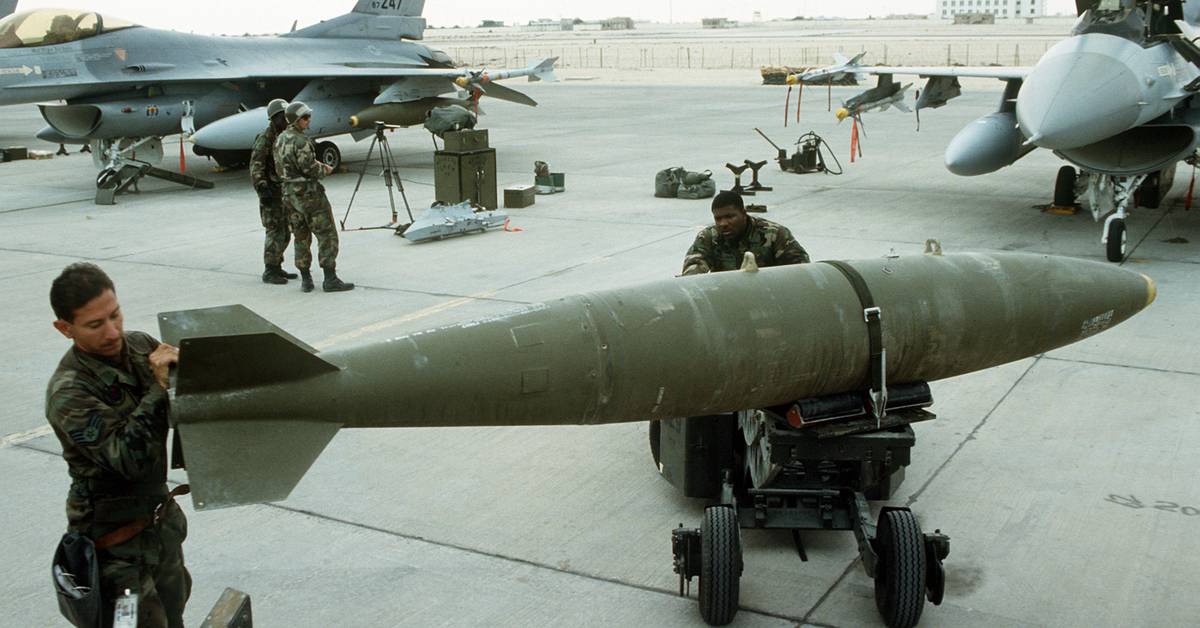
The Trump administration plans to send Israel 40,000 of the most powerful conventional bombs in the American arsenal in a roughly $2.8 billion deal that would be the largest single transfer of 2,000-pound munitions to the country on record, according to U.S. officials and people briefed on the arrangement. The package consists of 20,000 Mk-84 general-purpose bombs and 20,000 BLU-117 warheads, the penetrating variant used against hardened and underground targets. Congressional committees have been informally notified, and the sale has not yet been finalized.
Most of the cost will be covered through Foreign Military Financing, the State Department program under which the United States gives Israel grants that it must spend on American-made weapons. In practice that means U.S. taxpayers will pay American manufacturers to build the bombs and Israel will receive them. Israel gets $3.3 billion a year in FMF under the 10-year memorandum of understanding signed in 2016, and the administration has also used supplemental funds appropriated after the October 7, 2023 attack. People familiar with the deal said the administration has been pressing the leaders of the Senate Foreign Relations and House Foreign Affairs committees, who by custom get an informal review period before a formal notification, to sign off quickly.
The 2,000-pound bomb has been the single most contested weapon in the U.S.-Israel relationship since the Gaza war began. The Biden administration paused a shipment of the munitions in May 2024, citing their use in densely populated areas and the risk of mass civilian casualties, particularly ahead of Israel's push into Rafah. Trump lifted that hold within days of returning to office in January 2025 and has since approved a series of packages, including a $2.04 billion sale of the same bombs last year. The Mk-84 produces a lethal blast radius of hundreds of feet and has been documented in strikes that leveled apartment blocks in Gaza City and Khan Younis, though Israel says it needs the weapons to destroy Hamas's tunnel network.
The deal comes with the ceasefire that took effect in Gaza in October still formally in place but eroding. Israeli strikes killed at least five people on Tuesday, including two children and a Hamas commander, in Sheikh Radwan in the north and Mawasi and Khan Younis in the south, according to Reuters and Medical Aid for Palestinians. A separate building collapse in Gaza City the same day killed at least 12, five of them children, in a structure weakened by earlier bombardment. Gaza's Health Ministry says Israel's offensive has killed more than 73,264 Palestinians since the war began, including deaths since the ceasefire. Hamas's October 7 attack killed about 1,200 people in Israel, and 251 hostages were taken.
Democrats who fought the Biden-era pause are expected to try to block or delay the sale, though they have failed in every previous attempt under Trump; a resolution of disapproval requires majorities in both chambers and would face a certain veto. Sen. Bernie Sanders and a handful of others forced votes on smaller Israel packages in 2025 and lost each time. The size of this transfer, more than a third larger than last year's, and its timing during a ceasefire are likely to sharpen the argument. The administration has framed the package as part of a broader effort to replenish Israel's stocks after the 12-day war with Iran in 2025 and the ongoing U.S.-Iran conflict, which has drawn Israeli strikes and Iranian retaliation across the region.
The State Department, which formally handles arms transfers, and the Israeli embassy in Washington did not comment on the pending notification.
Originally reported by Military.com.