Scientists Boost Brain's Alzheimer's Defense by Activating Support Cells
Researchers enhance Sox9 protein in astrocytes to help brain clear harmful plaques while preserving memory in mouse studies.
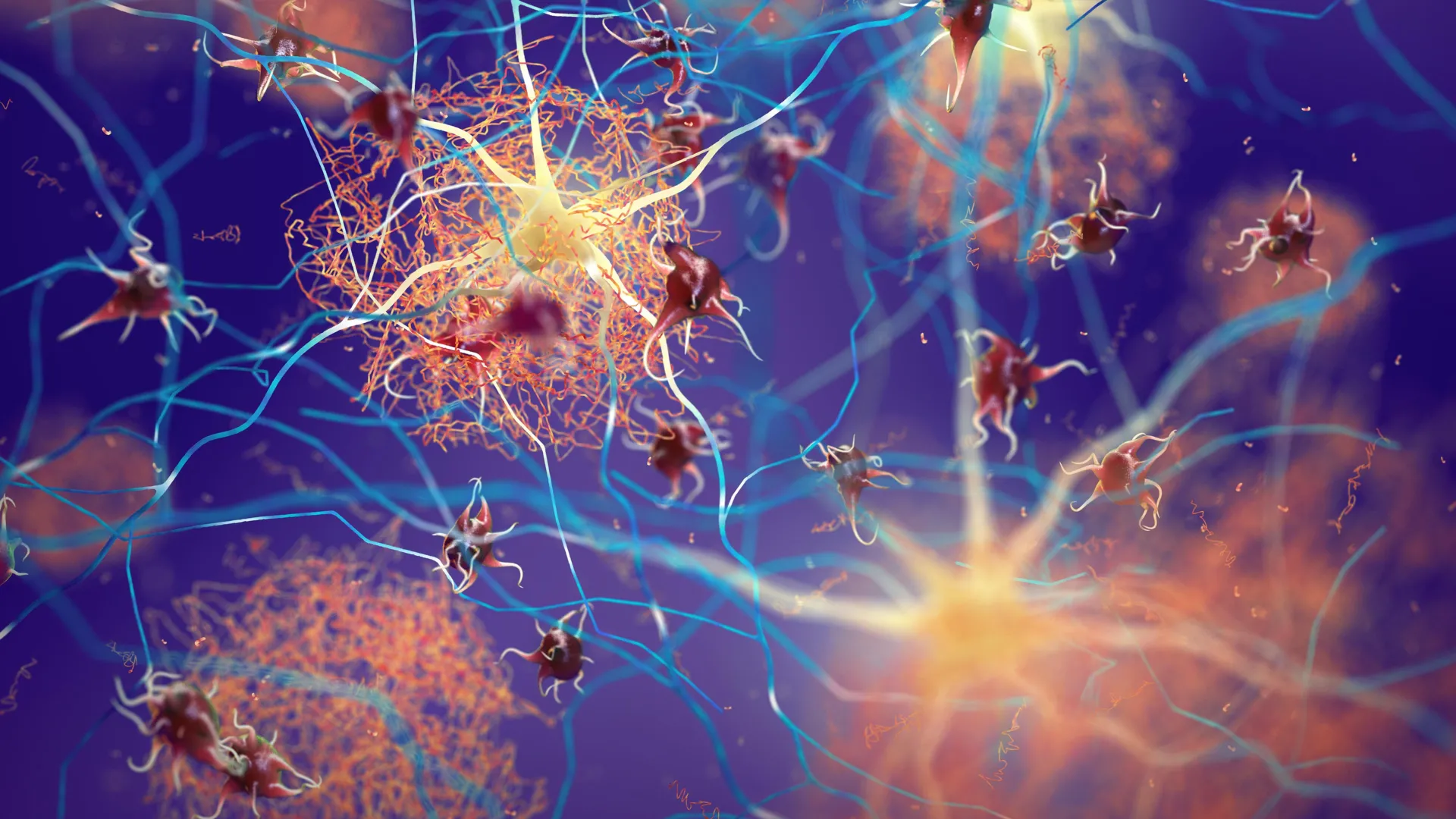
Researchers at Baylor College of Medicine have discovered a promising new approach to combat Alzheimer's disease by enhancing the brain's own cellular housekeeping system. The team found that boosting levels of Sox9, a protein that regulates astrocyte activity during aging, significantly improved these star-shaped support cells' ability to clear away toxic amyloid plaques. The breakthrough focuses on empowering astrocytes rather than targeting the plaques directly, potentially offering a new therapeutic pathway for neurodegenerative diseases.
Astrocytes perform essential functions in maintaining brain health, including facilitating communication between neurons and supporting memory formation. As the brain ages, these support cells undergo profound functional changes that researchers are only beginning to understand. Dr. Dong-Joo Choi, the study's first author, explained that Sox9 controls the activity of many genes in aging astrocytes, making it a crucial target for intervention strategies.
The research team tested their approach using mouse models that had already developed cognitive impairment and amyloid plaque accumulation, making the study more relevant to human Alzheimer's patients than previous research conducted before plaque formation. Over six months, mice with increased Sox9 levels showed improved performance on cognitive tests measuring object recognition and environmental awareness, while also demonstrating reduced plaque accumulation in brain tissue.
Dr. Benjamin Deneen, the study's corresponding author and professor at Baylor, emphasized the significance of working with mice that already exhibited Alzheimer's symptoms. "An important point of our experimental design is that we worked with mouse models of Alzheimer's disease that had already developed cognitive impairment, such as memory deficits, and had amyloid plaques in the brain," noted Dr. Choi. This approach better reflects the clinical reality of treating patients who already show signs of the disease.
The findings, published in Nature Neuroscience, suggest that therapeutic strategies targeting the brain's support infrastructure could complement or potentially replace current approaches that focus primarily on removing plaques or preventing their formation. By enhancing the natural cleanup mechanisms already present in the brain, this approach could offer a more sustainable and less disruptive method for treating Alzheimer's disease while preserving cognitive function.