Scientists Reverse Alzheimer's in Mice with Revolutionary Nanotechnology
Breakthrough treatment restored brain's natural cleanup system and cleared toxic proteins, with elderly mice behaving like healthy younger animals.
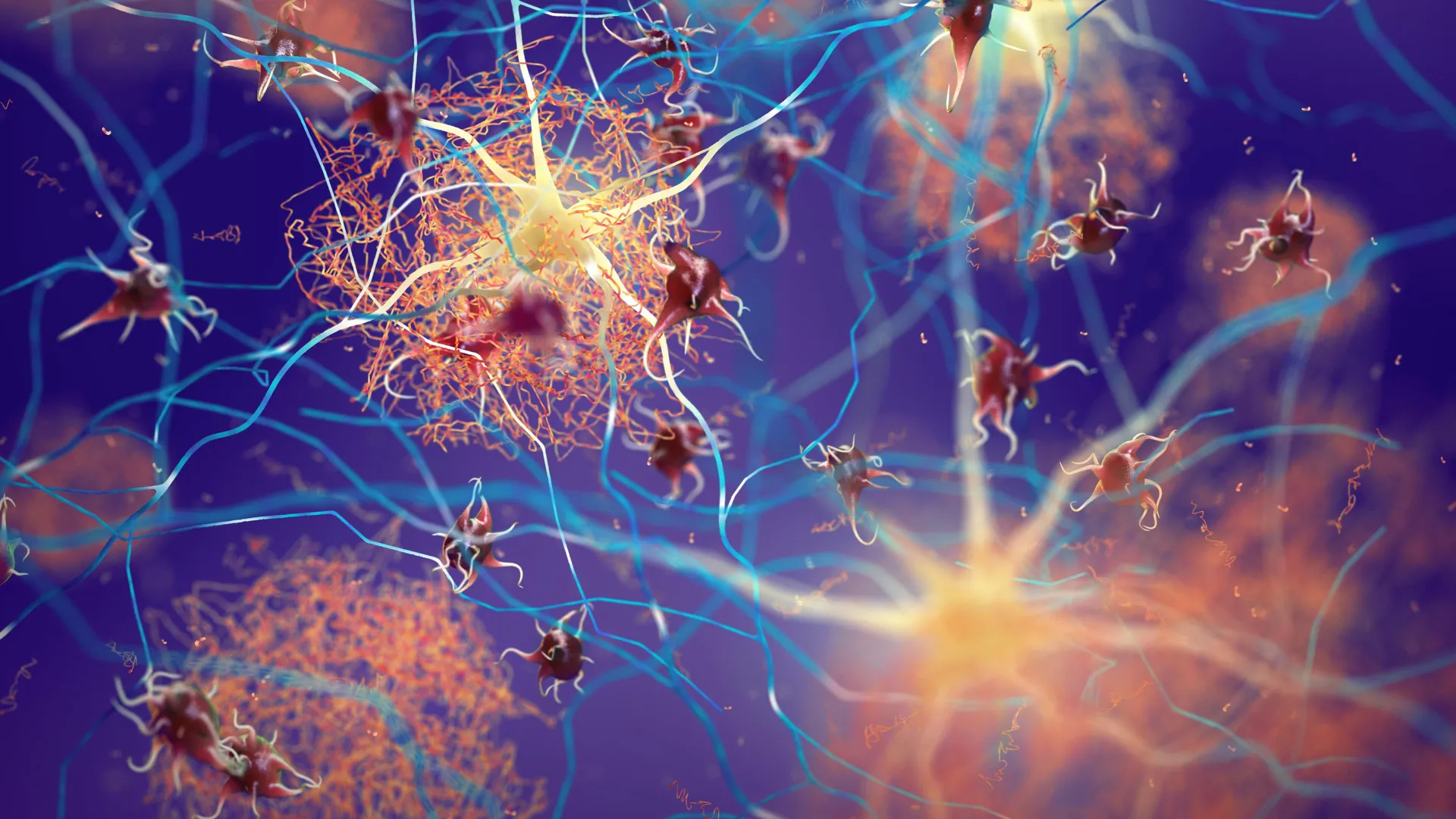
An international research team has achieved a remarkable breakthrough in Alzheimer's treatment, using specially engineered nanoparticles to reverse cognitive decline in mice and restore their brain's natural waste disposal system. The innovative approach, developed by scientists from the Institute for Bioengineering of Catalonia and West China Hospital Sichuan University, focuses on repairing the blood-brain barrier rather than directly targeting damaged neurons, offering a fundamentally new strategy for combating neurodegenerative disease.
The treatment uses bioactive nanoparticles called "supramolecular drugs" that act as therapeutic agents themselves, rather than simply delivering medication to the brain. These microscopic particles help restore the blood-brain barrier, a protective network of cells and blood vessels that controls what enters and leaves the brain. In Alzheimer's disease, this critical system gradually breaks down, allowing harmful amyloid-beta proteins to accumulate while preventing the brain from clearing toxic waste products effectively.
In dramatic experimental results, researchers observed a 50-60 percent reduction in amyloid-beta levels within just one hour after treatment injection. The mice received only three doses of the nanoparticle therapy, yet the effects were both rapid and long-lasting. Most remarkably, elderly mice that had been showing severe cognitive decline began behaving like healthy younger animals after the treatment, demonstrating restored memory and learning capabilities that had been lost to the disease process.
"Only 1h after the injection we observed a reduction of 50-60% in A-beta amount inside the brain," explains Junyang Chen, first co-author of the study and researcher at West China Hospital of Sichuan University. The speed of this improvement far exceeds anything seen with traditional Alzheimer's treatments, which typically focus on slowing disease progression rather than actively reversing cognitive damage that has already occurred.
The research, published in Signal Transduction and Targeted Therapy, represents a paradigm shift in thinking about neurodegenerative diseases. Rather than viewing blood-brain barrier dysfunction as a consequence of Alzheimer's disease, the scientists demonstrate that repairing this system can actively restore brain function. The approach could potentially be adapted for other neurodegenerative conditions where blood-brain barrier breakdown plays a role, including Parkinson's disease and multiple sclerosis, offering hope for millions of patients worldwide.