Scientists Achieve Breakthrough in Quantum W State Detection After 25-Year Quest
Japanese researchers develop revolutionary method to instantly identify elusive quantum states that could unlock faster quantum communication and teleportation.
Scientists in Japan have accomplished a major breakthrough in quantum technology by developing the first method to instantly detect quantum W states, solving a challenge that has puzzled researchers for more than 25 years. The achievement by teams from Kyoto University and Hiroshima University represents a crucial milestone that could accelerate the development of quantum communication, teleportation, and powerful new computing systems. The breakthrough fills a significant gap in quantum measurement capabilities that had limited progress in multi-photon quantum technologies.
Quantum entanglement, one of the most counterintuitive aspects of quantum mechanics, describes situations where particles become so fundamentally linked that their properties cannot be understood independently. This phenomenon, which famously troubled Einstein, has evolved from a philosophical puzzle into a cornerstone of emerging quantum technologies. Scientists had previously demonstrated entangled measurements for Greenberger-Horne-Zeilinger (GHZ) states, but the more complex W states had remained beyond the reach of direct detection methods until now.
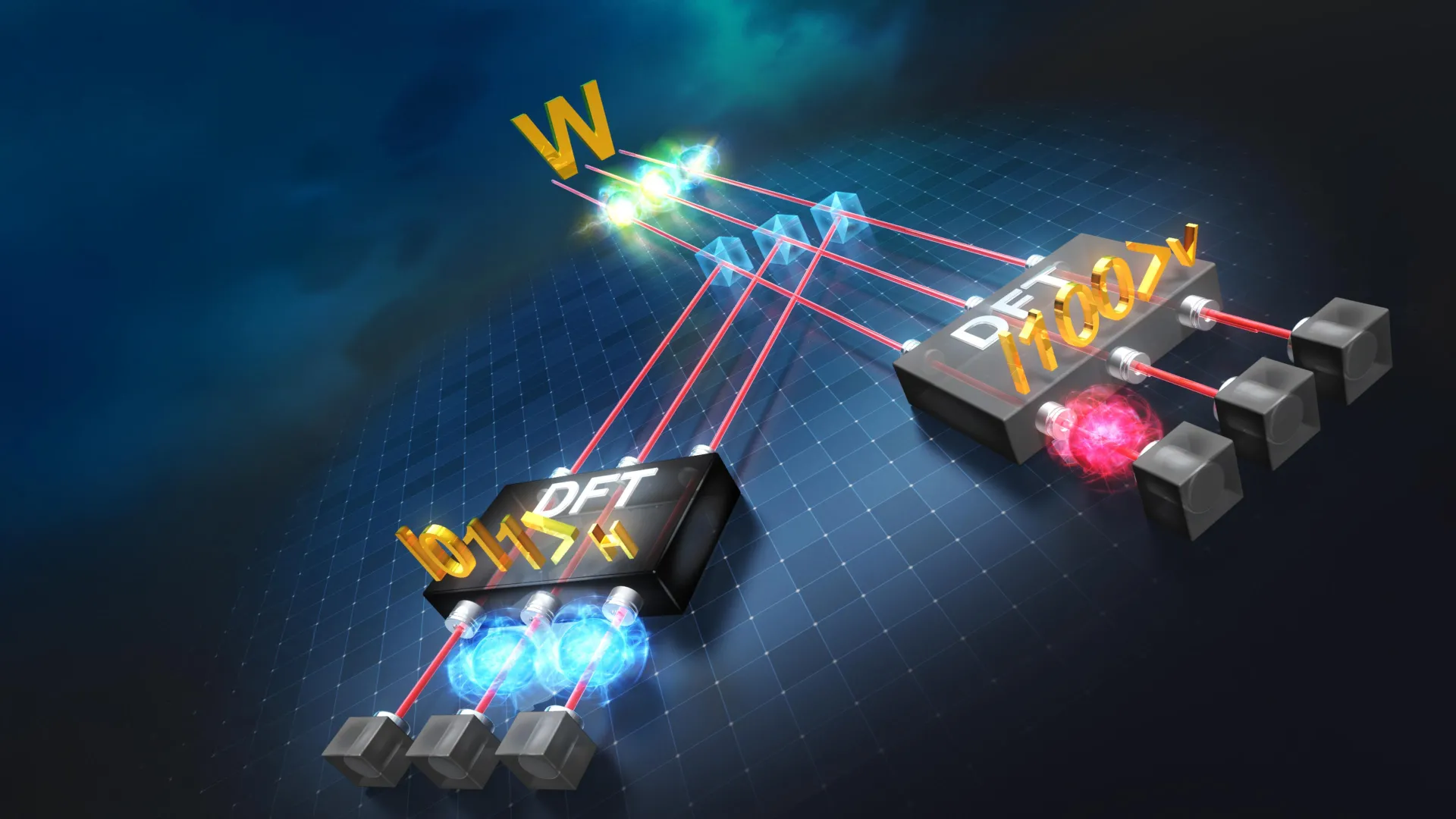
The research team overcame this challenge by focusing on a unique characteristic of W states known as cyclic shift symmetry. Using this property, they developed a photonic quantum circuit that performs a quantum Fourier transformation specifically designed for W states regardless of the number of photons involved. This innovation essentially transforms the hidden quantum structure of W states into measurable signals, providing scientists with a powerful new tool for quantum state identification and manipulation.
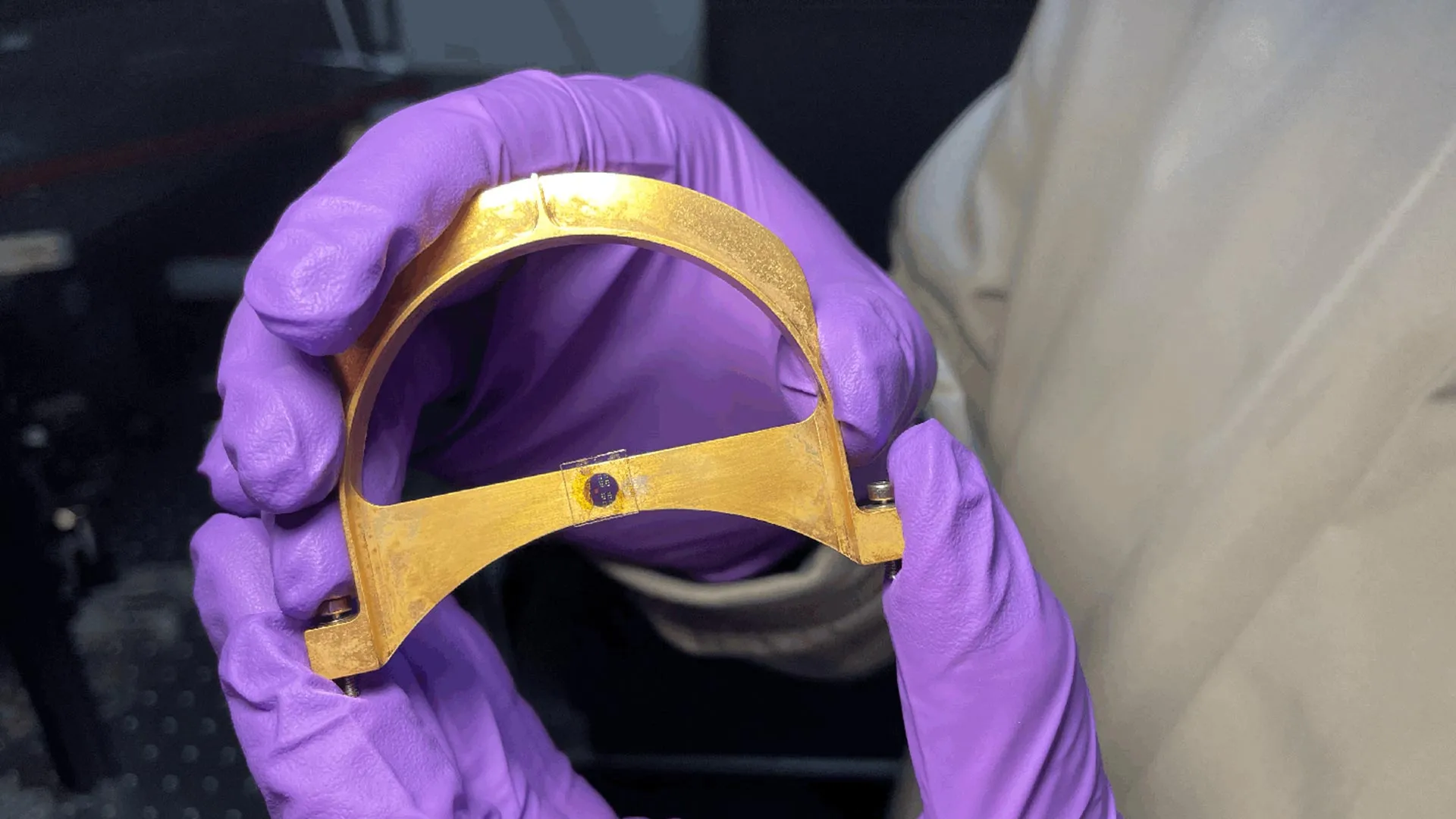
To validate their approach, the researchers constructed a highly stable optical quantum device capable of testing three-photon W states. The experimental setup demonstrated remarkable stability, operating for extended periods without requiring active control systems. This stability represents a crucial advancement for practical quantum technologies, which must function reliably outside of carefully controlled laboratory environments. The team successfully inserted three single photons in precisely chosen polarization states and demonstrated the device's ability to perform the required quantum measurements.
The implications of this breakthrough extend far beyond basic quantum research. Reliable detection of W states could enable significant advances in quantum communication networks, where entangled states serve as the foundation for ultra-secure information transmission. The technology may also accelerate progress in quantum teleportation experiments and contribute to the development of more sophisticated quantum computing architectures. As quantum technologies continue to mature, tools like this W state detector will become essential for building the next generation of quantum devices and communication systems.